Iraq Recovers 2.68 Trillion Dinars, $781 Million in Corruption Funds
At a Glance
Iraq says it has recovered more than 2.682 trillion dinars and $781 million in funds linked to corruption cases.
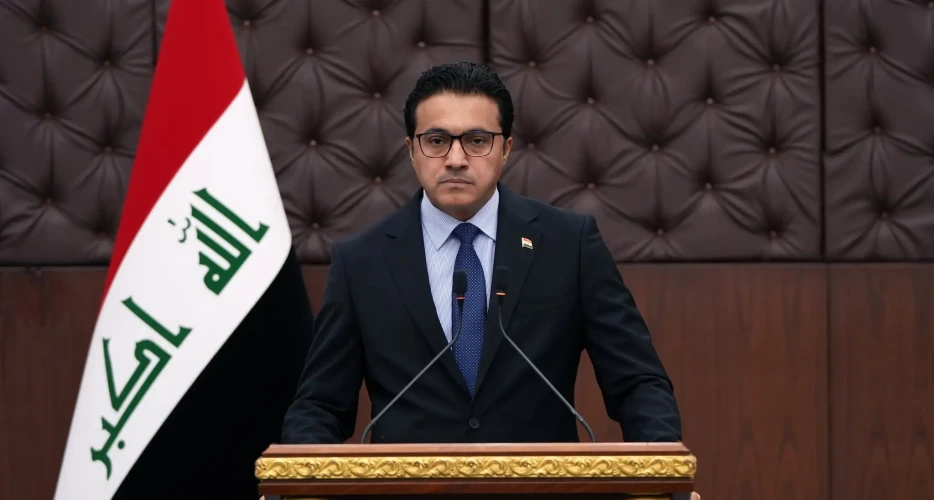
Government spokesperson Haider al-Aboudi confirmed that the anti-corruption campaign, known as Sawlat al-Fajr, remains ongoing.
Al-Aboudi said the campaign's results include judicial rulings against individuals convicted of corruption, including politicians and members of parliament.
The recovered funds are intended for a Generations Fund proposed in the draft 2027 federal budget.
Iraq has reported recovering more than 2.682 trillion dinars and $781 million in funds linked to corruption cases, with the government planning to allocate the money to a proposed Generations Fund under the 2027 draft budget, spokesperson Haider al-Aboudi said on Sunday.
Key Statements and Focus Areas
Anti-corruption campaign remains active
“Sawlat al-Fajr has not effectively stopped.”
Al-Aboudi said the campaign's results were becoming increasingly visible through court rulings against individuals convicted of corruption, including politicians, lawmakers and prominent figures.
He described the campaign's reported results as unprecedented over the 23 years since 2003.
Recovered funds exceed 2.682 trillion dinars and $781 million
Al-Aboudi provided the following figures:
More than 2.682 trillion Iraqi dinars recovered.
More than $781 million recovered.
The funds are intended to be transferred to the Generations Fund proposed in the 2027 draft budget.
Government stresses cooperation among state institutions
Al-Aboudi said Prime Minister Ali al-Zaidi was coordinating with the judicial and legislative branches in pursuing corruption cases.
He stressed that the government could not complete the effort independently without cooperation among the three branches of government.
Generations Fund proposed for 2027
Al-Aboudi described the proposed fund as a new approach to securing financial resources for future generations.
He said it would also serve as a financial instrument to support oil revenues and the state treasury.
Government says anti-corruption campaign continues
Iraq's government says its anti-corruption campaign, known as Sawlat al-Fajr, remains active, with authorities reporting the recovery of more than 2.682 trillion Iraqi dinars and $781 million in funds linked to corruption cases.
Government spokesperson Haider al-Aboudi announced the figures in remarks to the Iraqi News Agency (INA) on Sunday, saying the campaign had not effectively stopped and that its results were becoming increasingly evident through judicial rulings against individuals convicted of corruption.
According to Al-Aboudi, those facing convictions include politicians, members of parliament and prominent public figures. He described the campaign's reported results and indicators as unprecedented over the 23 years since 2003.
Recovered funds earmarked for Generations Fund
Al-Aboudi said the recovered amounts would be allocated to a Generations Fund included in the draft 2027 federal budget.
The reported total exceeds 2.682 trillion dinars, in addition to more than $781 million.
He described the proposed fund as a first-time initiative aimed at securing financial resources for future generations, while providing additional support for oil revenues and the state treasury.
The proposal would place the recovered funds within a longer-term financial framework rather than treating them solely as immediate government revenue.
However, the fund is currently referenced in the draft 2027 budget, and its inclusion should not be taken as confirmation that it has already been formally established or begun operating.
Al-Zaidi calls for coordination among state institutions
Al-Aboudi said Prime Minister Ali al-Zaidi, in his capacity as head of the executive branch, responsible for state policy and Commander-in-Chief of the Armed Forces, was working alongside the judicial and legislative branches on the anti-corruption effort.
He stressed that the government could not complete the process on its own, emphasizing the need for institutional cooperation.
The spokesperson's remarks linked the campaign's progress not only to government action but also to judicial proceedings and cooperation among the country's three branches of government.
FYI
The announcement connects Iraq's anti-corruption drive with a proposed longer-term approach to managing recovered public funds. The reported amounts are substantial, but the government's figures and claims about the campaign's unprecedented results remain official assessments that should be distinguished from independently audited recovery totals. The proposed Generations Fund also represents a budgetary intention rather than an operational institution at this stage: its inclusion in the 2027 draft budget does not establish how it will be governed, invested or monitored. Its eventual effectiveness will depend on legislative approval, transparent management and clear accountability over how the recovered funds are preserved and used. The proposal also raises a broader fiscal question for Iraq: how to build long-term financial reserves while reducing the state's dependence on oil revenues.
.webp)