Talabani Outlines PUK Policy and Regional Diplomacy at MERI Forum
At a Glance
- The PUK President told the annual MERI Forum that the PUK will concede its own political rights but will not compromise on public rights.
- Talabani affirmed that the PUK is fully ready for any government agreement.
- He noted that Baghdad’s stability directly impacts the Kurdistan Region.
- Talabani said the entire region currently faces a massive security threat.
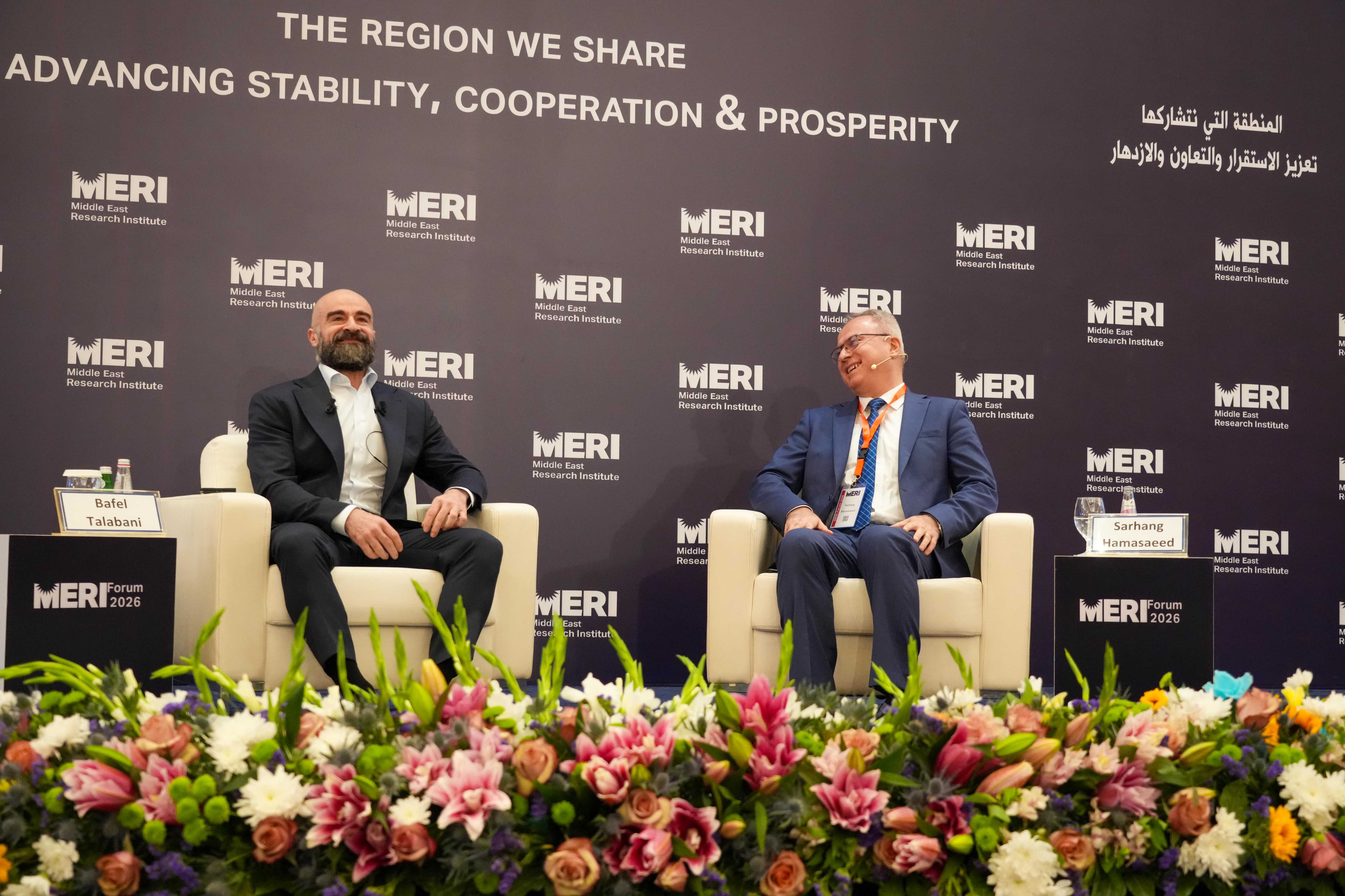
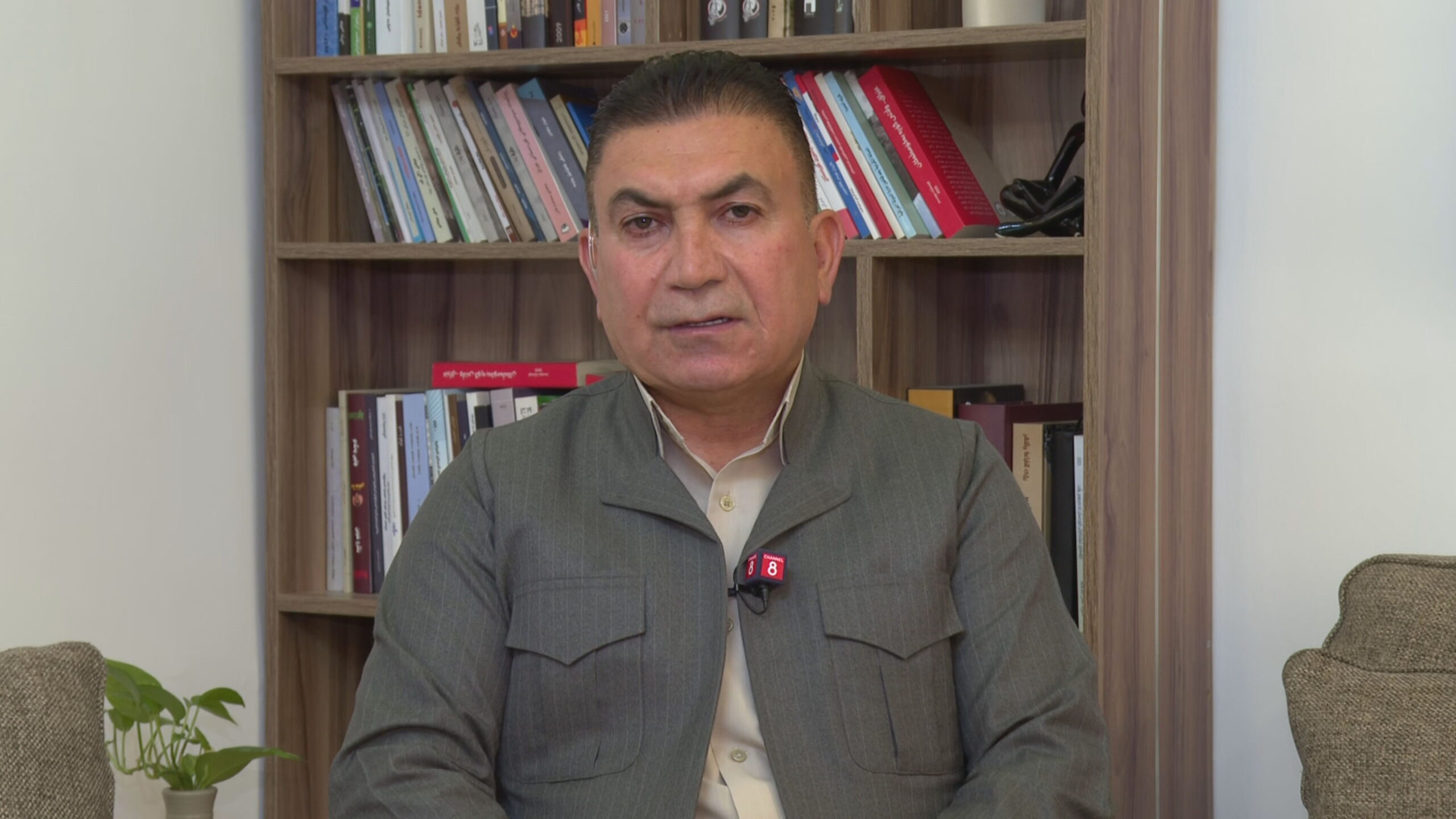
Bafel Jalal Talabani, President of the Patriotic Union of Kurdistan (PUK), stated that while his party is prepared to concede its own political rights, it will not compromise on the fundamental rights of the public while discussing government formation talks. Talabani stressed that current Erbil-Baghdad relations are good and warned that the entire region is currently under "an immense threat."
Key Statements and Focus Area
- The PUK President addressed the government formation talks at the MERI Forum, stating, “We are ready for any agreement."
- Talabani emphasized that the situation in Baghdad is critical, and if Baghdad’s stability deteriorates, it directly impacts the stability of the Kurdistan Region as well.
- He noted that the party has succeeded in reviving the diplomatic relations of the Mam Jalal era, adding that it is vital for Kurdistan, alongside neighboring countries, to remain prepared and forge strategic agreements with various parties.
Domestic Gridlock and Government Formation
Speaking at the MERI Forum in Erbil on Monday, PUK President Talabani said the PUK's “policy is clear, and we take great pride in it.”
Touching upon the issue of delayed government formation and the stalemate between political parties, Talabani stated that he fails to understand the positions of certain political factions.
He affirmed that there have been very productive meetings over the past few days, confirming that Prime Minister Masrour Barzani and Deputy Prime Minister Qubad Talabani held successful meetings.
Responding to questions surrounding the alliance agreement between the PUK and the New Generation Movement, the PUK President stated that they have a formal agreement with the movement and affirmed that his party is ”serious” about it.
He remarked that bringing a major opposition force to the negotiation table is a benefit rather than a detriment.
Erbil-Baghdad Ties and the New Federal Framework
On the Erbil and Baghdad relations and the situation in Iraq, Talabani said that the situation in Baghdad is bad; however, “A crisis always carries an opportunity within it.”
Talabani stated that it is no longer 2003 in Baghdad, emphasizing that if Kurdish factions cooperate, it presents a major opportunity for the Kurdistan Regional Government to leverage its relationships in the federal capital.
He noted that as the Kurdish side, they share a “gentleman's agreement” and a mutual understanding with the federal government in Baghdad.
Talabani also highlighted that the new Iraqi Prime Minister, Ali Faleh al-Zaidi, harbors no racism against the Kurdish people, and he is entirely free from the historical prejudices that may have plagued past leaders.
Regional Diplomacy and Backchannel Mediation
Addressing regional and international issues, the President called for a broader Kurdish struggle, saying that it must not be confined within Iraq: "We must never forget our brothers and sisters in Syria, Turkey, and Iran."
Talabani asserted that official intermediaries are actively operating between the United States and Iran, noting that the PUK has successfully acted as a facilitator for these relations in several key areas.
He underscored that the party is a trusted partner to both Washington and Tehran.
The PUK leader noted that Iran maintains specific red lines and will refrain from targeting the region as long as those boundaries are respected.
Talabani clarified that his recent visit to Iran was specifically intended to shield the Kurdistan Region from a potential resurgence of conflict.
He characterized relations with Turkey as excellent, emphasizing active cooperation and support for the ongoing peace process.
Talabani revealed that a process highly similar to the Turkish peace initiative has also been initiated for Iran.
FYI
The Middle East Research Institute (MERI) Forum has brought the prolonged political gridlock within the Kurdistan Region to the forefront, as PUK President Bafel Jalal Talabani outlined the party's strategic shifts regarding government formation, federal dynamics, and regional diplomacy during the panel titled "Building a Stronger Kurdistan: Unity, Security and Regional Partnerships.
The formation of the tenth Kurdistan Regional Government cabinet has faced protracted delays since the October 2024 parliamentary elections, driven by power-sharing disputes between the Region's two dominant parties, the PUK and the KDP.
A major shift occurred when the PUK formalized a strategic alliance with the New Generation Movement, effectively consolidating a 38-seat voting bloc to challenge the KDP's 39 seats. The alliance demands structural government reforms and a balanced distribution of executive posts.
The PUK maintains that the governance framework must pivot from majoritarian rule to a system of "true partnership." Meanwhile, the KDP bases its negotiating stance on the principle of electoral legitimacy derived from its 39-seat plurality in the 100-seat legislature.
In the meantime, relations between Erbil and Baghdad are experiencing a new phase under the administration of Iraqi Prime Minister Ali Faleh al-Zaidi.
Despite recent technical breakthrough agreements regarding public sector salary deposits, core structural bottlenecks persist between the KRG and the federal government over the 2027 draft budget, primarily centered on conflicting oil delivery targets, non-oil revenue definitions, and national budget share allocations.
Across regional and international theaters, the PUK has positioned itself as a critical diplomatic intermediary amid severe regional security threats, acting as a trusted backchannel facilitator between Washington and Tehran following the withdrawal of U.S. combat forces from Iraq.
During the forum, Talabani revealed that his recent diplomatic mission to Iran aimed to shield the Kurdistan Region from cross-border conflicts, noting that Tehran's strategic red lines are being respected to prevent military escalations.
Furthermore, the PUK leadership expressed support for an active peace initiative concerning Turkey, while reiterating its commitment to supporting Kurds and political rights across Syria.
Dive Deeper: Handpicked Stories for You
Follow Channel8 for continuous updates:
Elham Ahmed: Syrian Integration Successful but Challenges for Women Remain
PUK President Talks Kurdish Unity and Regional Relations at MERI Forum
.jpg)
.webp)