Halabja Marks 157th Anniversary of Its Administrative History
At a Glance
Halabja is marking 157 years since November 24, 1869, the date recorded for the appointment of its first governor, Mohammed Pasha Jaf.
The anniversary recognises the city's historical development, cultural heritage and role in Kurdish political and literary life.
Halabja's history includes the leadership of the Jaff family and the prominent role of Adela Khanum Jaff in the early 20th century.
In May 2025, Halabja officially became Iraq's 19th governorate, following the publication of the relevant law in the Official Gazette.
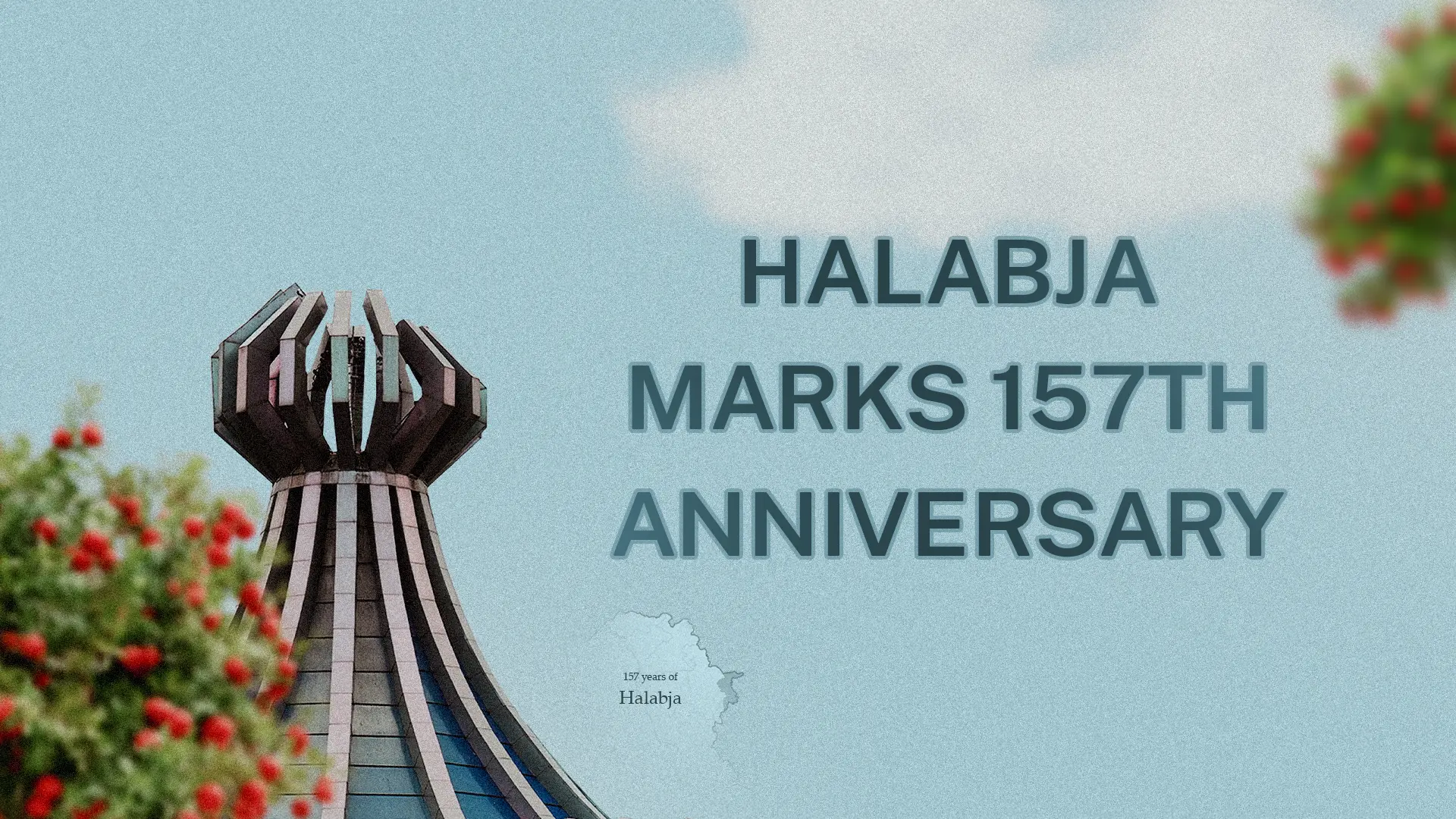
Residents and officials are marking the 157th anniversary of a landmark in Halabja's administrative history on November 24, commemorating the appointment of Mohammed Pasha Jaf as the city's first governor in 1869 and reflecting on its historical, cultural and political significance in the Kurdistan Region.
Key Statements and Focus Areas
A milestone in Halabja's history
November 24, 1869, is recorded in historical accounts as the date Mohammed Pasha Jaf was appointed Halabja's first governor during Ottoman rule. The date has since been adopted for the annual commemoration of Halabja Day.
A legacy of leadership and cultural development
The Jaff family played a significant role in Halabja's administration and development. One of its most prominent historical figures was Adela Khanum Jaff, who governed the area following the death of her husband, Osman Pasha, in 1909, and remained in a leadership role until her death in 1924.
Recognition as Iraq's 19th governorate
Halabja's administrative status reached another milestone in 2025, when Iraq officially recognised it as the country's 19th governorate. The legislation was approved by parliament in April, ratified by the president on April 29 and published in the Official Gazette on May 5.
Halabja is marking the 157th anniversary of a significant milestone in its administrative history, with November 24 commemorating the appointment of Mohammed Pasha Jaf as the city's first governor in 1869, during the Ottoman period.
The date has become an annual occasion to recognise Halabja's historical development and its contribution to the cultural and intellectual life of Kurdistan. Historical research shows that the area's administrative importance predates 1869, while the city's development was shaped by successive political and administrative changes over the following decades.
The Jaff family had a major influence on Halabja's administration and urban development. Among its most prominent figures was Adela Khanum Jaff, who assumed leadership after the death of her husband, Osman Pasha, in 1909. Her period of leadership, which continued until 1924, remains an important chapter in the city's history and in accounts of women's leadership in Kurdistan.
Halabja also developed as a centre of Kurdish culture and literature, producing generations of poets, writers and intellectuals. Its geographical setting and historical connections with surrounding areas contributed to its importance as a centre of local trade and cultural exchange.
However, the city's modern history is also marked by one of the most devastating events in Kurdistan's history. On March 16, 1988, forces of the former Iraqi regime carried out a chemical weapons attack on Halabja during the final stages of the Iran-Iraq War. The attack killed thousands of people, mostly civilians, and injured many others, leaving lasting human, environmental and social consequences.
The city later became a symbol of the suffering and resilience of the Kurdish people, while efforts to preserve the memory of the victims and recognise the consequences of the attack remain central to its public and historical identity.
A further milestone came in 2025, when the Iraqi parliament approved legislation establishing Halabja as a governorate. President Abdul Latif Rashid ratified the law on April 29, and its publication in the Official Gazette on May 5 brought it into effect, making Halabja Iraq's 19th governorate and the fourth within the Kurdistan Region.
The new status formally recognised Halabja as a governorate within Iraq's administrative structure, opening a new chapter in its institutional development.
FYI
Halabja's November 24 commemoration connects its historical administrative development with its present-day status. The 1869 date reflects the appointment of its first governor, while the city's much older historical roots and subsequent development form a broader story that should not be reduced to a single founding date.
Its recognition as Iraq's 19th governorate in 2025 was also a significant administrative development. The legislation cited the city's population and urban expansion, the sacrifices of its residents and the human, material and environmental damage caused by the 1988 chemical attack as reasons for establishing the governorate.
The anniversary therefore carries several dimensions: the city's historical development, its cultural and literary contributions, the memory of the 1988 attack and its transition to full governorate status.
.webp)