Iraqi Government Guarantees Kurdistan Region Salaries
At a Glance
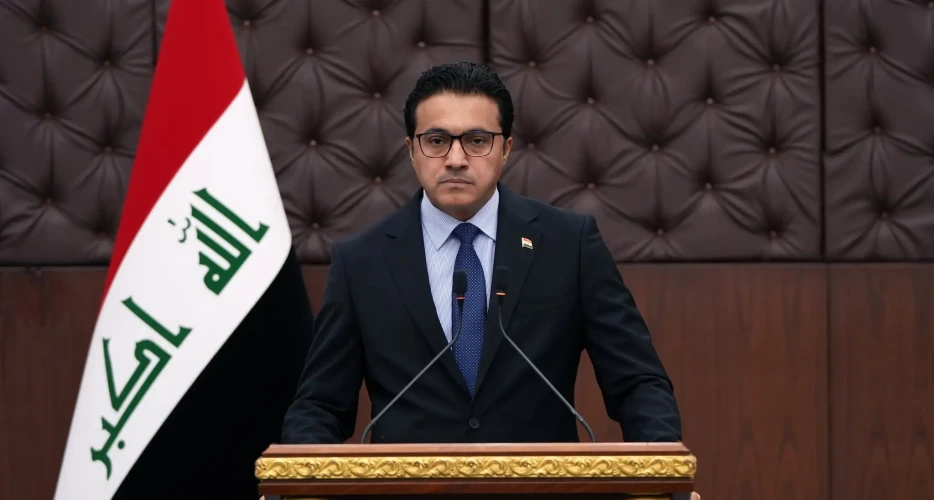
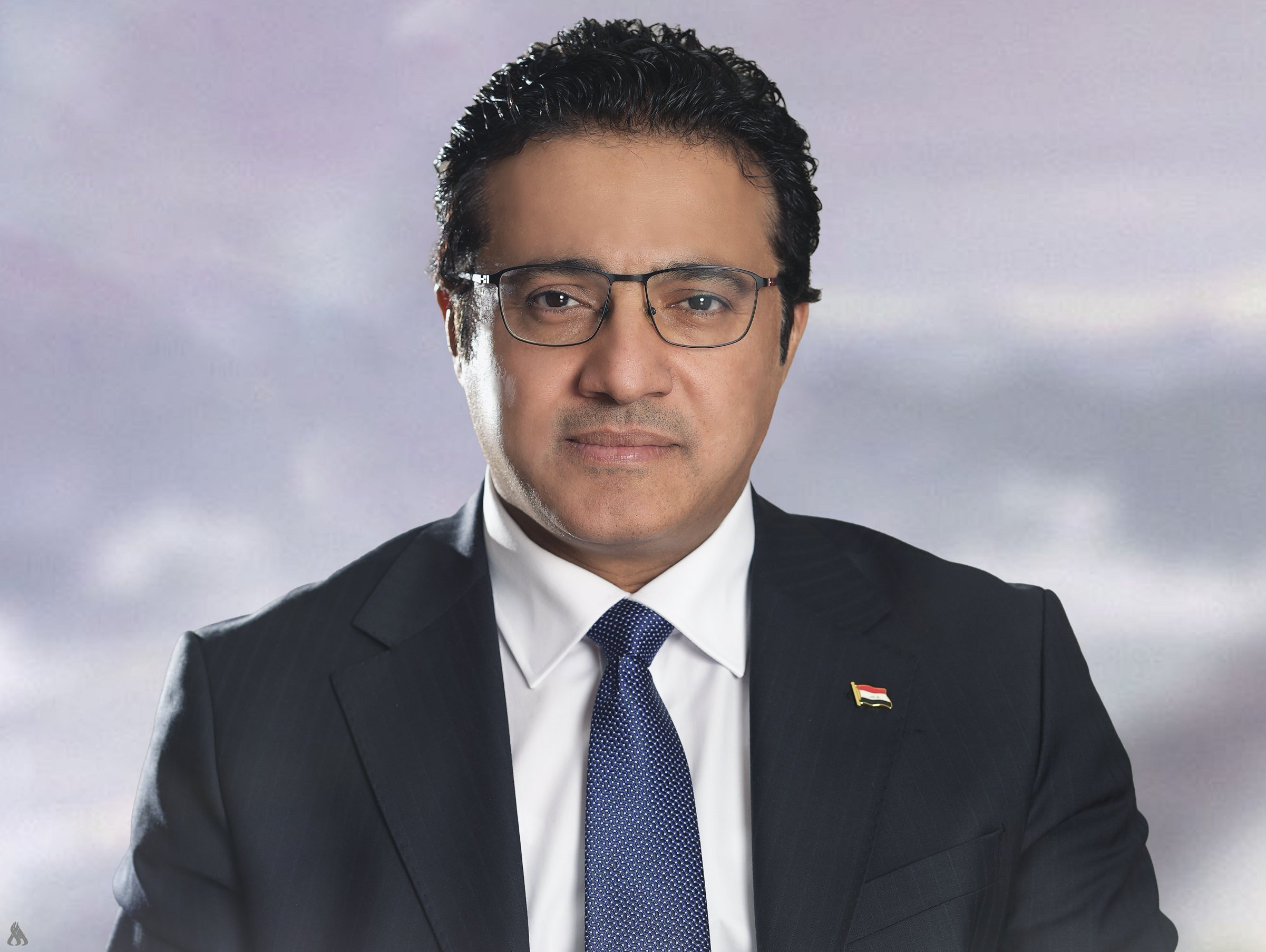
Iraqi government spokesperson Haider al-Aboudi said Kurdistan Region salaries are guaranteed.
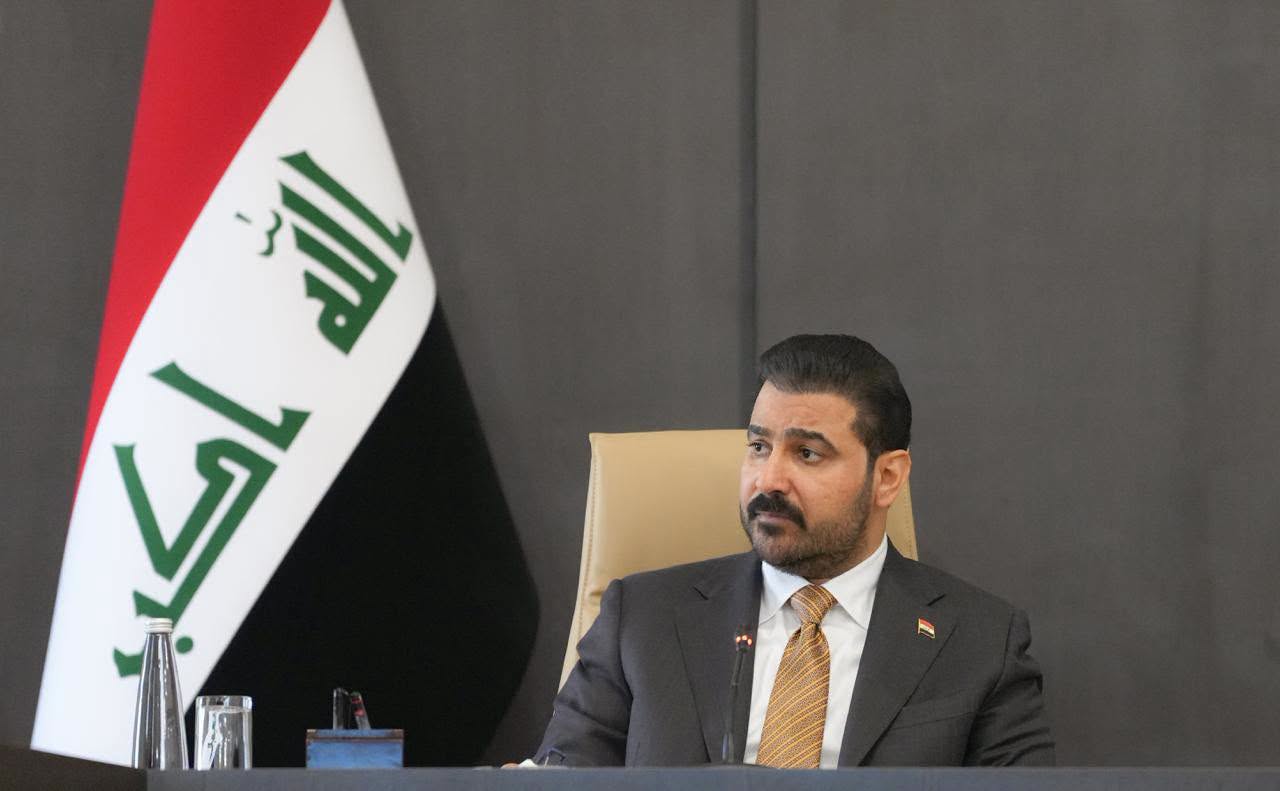
He said securing them is a binding directive from Prime Minister Ali Faleh al-Zaidi.
The salary file will not be linked to negotiations over any other issue.
The Iraqi government has assured that Kurdistan Region employees' salaries are guaranteed and will be kept separate from negotiations over any other file.
Key Statements and Focus Area
Al-Aboudi on the Directive: Securing the salaries of Kurdistan Region employees and not tampering with them is "a binding directive" from Prime Minister Ali al-Zaidi. — Haider al-Aboudi, Iraqi Government Spokesperson.
Al-Aboudi on Separating the Files: The salary file is separate from all other files and cannot be linked to negotiations related to other issues. — Haider al-Aboudi.
Focus Area: The federal government's guarantee on Kurdistan Region salaries as it pushes its campaign to impose state authority.
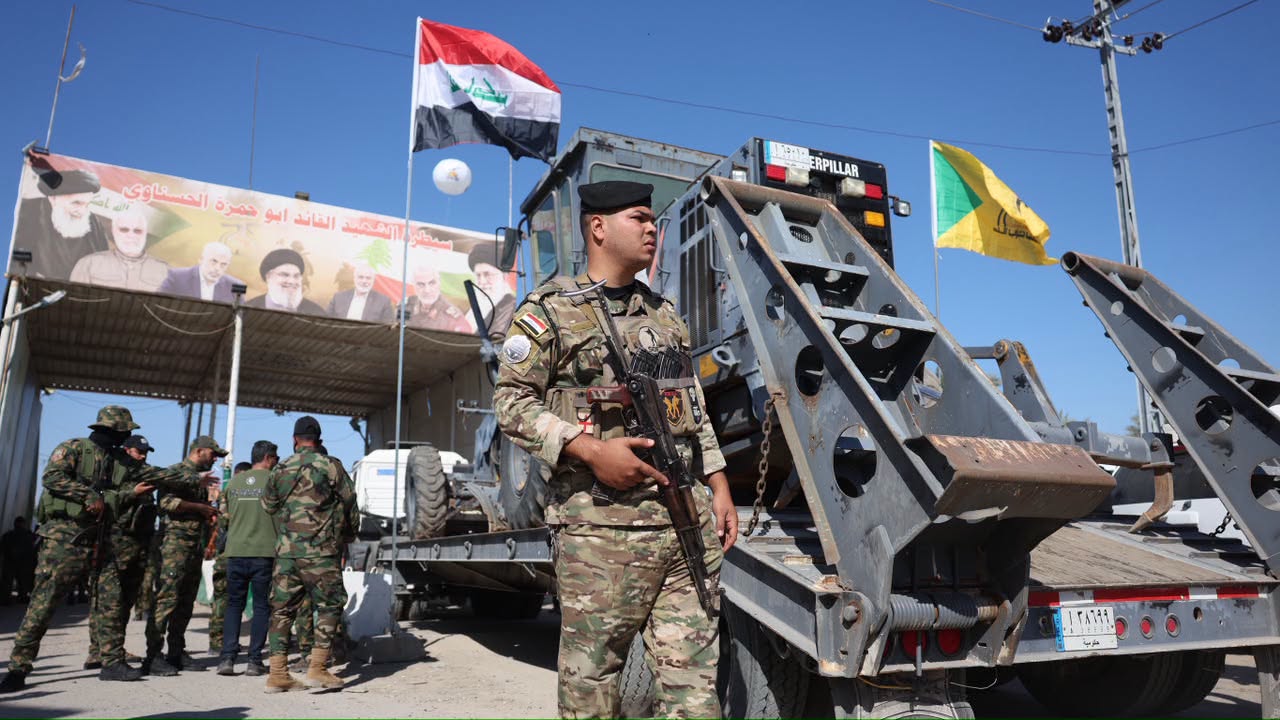
Al-Aboudi said the government continues to implement its vision and program for imposing state authority, enforcing the law, combating terrorism, and deterring any infringement on national wealth across the entire country.
The remarks come as oil smuggling and illegal refineries have become a major security and economic challenge for Baghdad.
The government has formed investigative committees and deployed security forces in various areas, and some Iraqi officials say the campaigns will also include the Kurdistan Region.
FYI
Kurdistan Region public employees' salaries have for years been among the most complex financial and political disputes between Erbil and Baghdad.
Payments have often been delayed or used as a pressure card in negotiations over the handover of oil and non-oil revenues, despite Federal Court rulings and budget law provisions meant to separate employees' livelihoods from political conflicts.
Dive Deeper: Handpicked Stories for You
Follow Channel8 for continuous updates:
MP: Iraqi Cabinet may pass budget Tuesday without Erbil deal
Erbil Slams Baghdad Over Sixty Five Trillion Dinar Budget Trap
Masrour Barzani Urges Parliamentary Dialogue and Rejects Centralized Oil