Diwali Fireworks Deepen Delhi's Smog Crisis Despite Restrictions
At a Glance
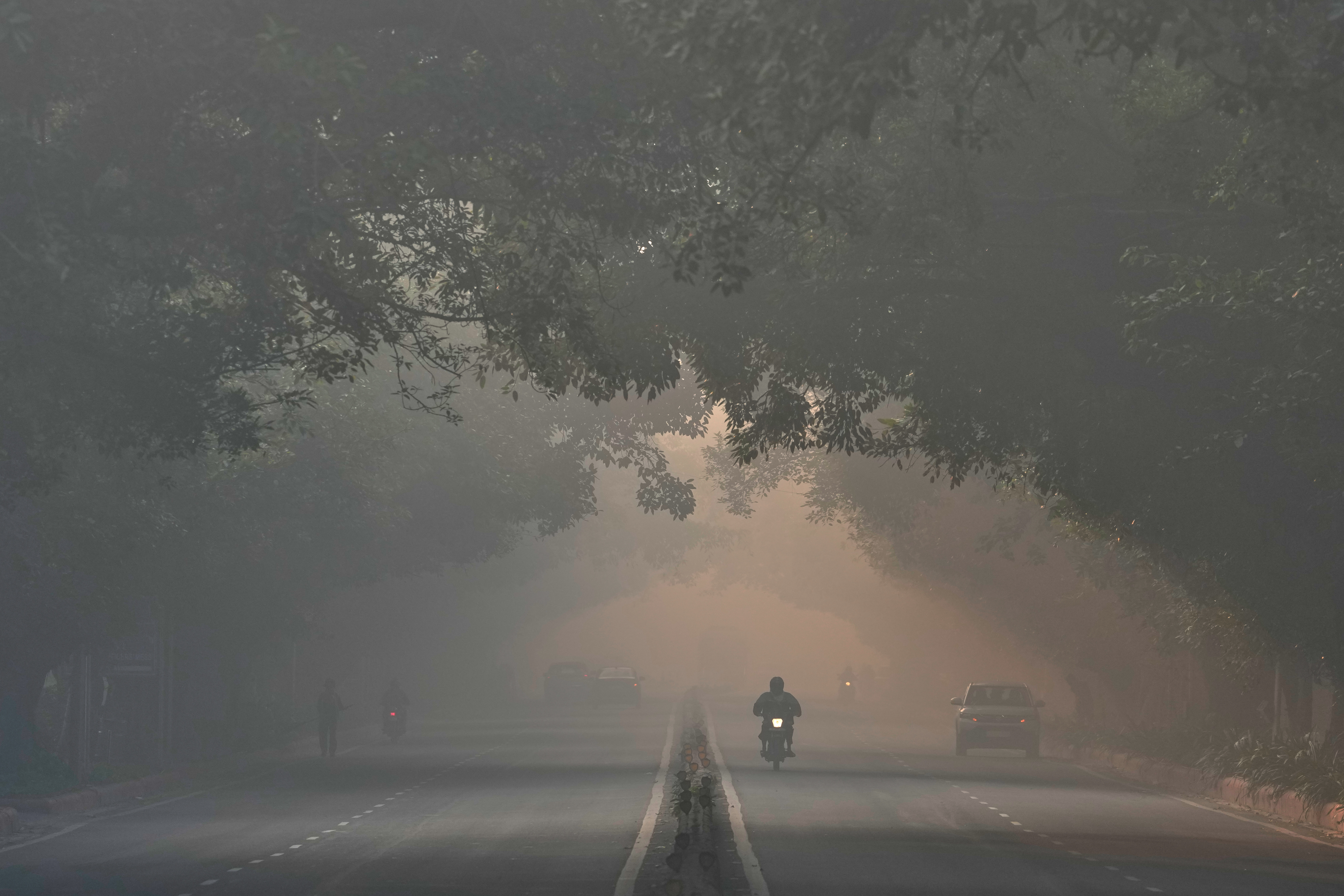
A thick blanket of smog covered New Delhi on Monday after Diwali celebrations.
Air quality reached the severe category in several parts of the capital.
Fireworks went ahead despite restrictions.
Dangerously high pollution levels in India's capital worsened on Monday after residents set off firecrackers during Diwali, intensifying the seasonal air pollution crisis that grips New Delhi every year.
Key Statements and Focus Area
Resident on the Health Impact: "Because of the pollution, there is irritation in the throat and itching in the eyes." — Isyad, New Delhi resident.
Expert on the Government's Response: The response so far has been "knee-jerk" and "temporary," with many interventions happening only because the government is pressured. — Shweta Narayan, public health expert, Global Climate and Health Alliance.
Focus Area: The Diwali fireworks, the severe smog in New Delhi, and the limits of the measures meant to control it.
The air quality index exceeded 350 in several parts of the city on Monday morning, and monitoring stations recorded similarly alarming levels as gray haze reduced visibility across streets and high-rises.
In October, India's Supreme Court restricted conventional firecrackers and allowed only approved "green firecrackers" during three-hour windows on Saturday and Sunday. These produce fewer emissions but still release particulate matter and other pollutants.
The crisis peaks in late October and November, when cooler temperatures, low winds and stagnant air stop pollutants from dispersing.
Smoke from crop-residue burning in neighboring Punjab and Haryana drifts toward the capital, adding to emissions from vehicles, industry and construction dust.
Authorities have limited construction and diesel generators, yet severe pollution returns each year. Environmentalists say long-term fixes such as cleaner energy and stricter vehicle emission controls are needed.
FYI
New Delhi and its metropolitan region, home to more than 30 million people, regularly rank among the world's most polluted areas in winter.
After harvesting rice, farmers often burn leftover stalks to clear fields for the next planting season, a practice that contributes heavily to the seasonal smoke.
Dive Deeper: Handpicked Stories for You
Follow Channel8 for continuous updates:
New Delhi Enforces Strict Anti-Pollution Measures, Work-From-Home Rules Amid Toxic Smog