U.S. Envoy Urges Kurdish Unity, Sees Iraq as 'Bridge'
At a Glance
U.S. Special Envoy Tom Barrack advised Kurdish parties to "get over" internal divisions, stating Washington will not intervene in Iraqi affairs.
He stressed the need for unity between the KRG and Baghdad to protect foreign energy companies and respond to "untenable" attacks on the Khor Mor gas field.
Barrack encouraged Iraq to act as a diplomatic "bridge," using its trade and religious ties to facilitate talks between Washington and Tehran.
U.S. Special Envoy for Iraq Tom Barrack urged Kurdish leaders to "get over" internal disputes, while calling on Iraq to act as a diplomatic "bridge" between Washington and Tehran.
Key Statements and Focus Area
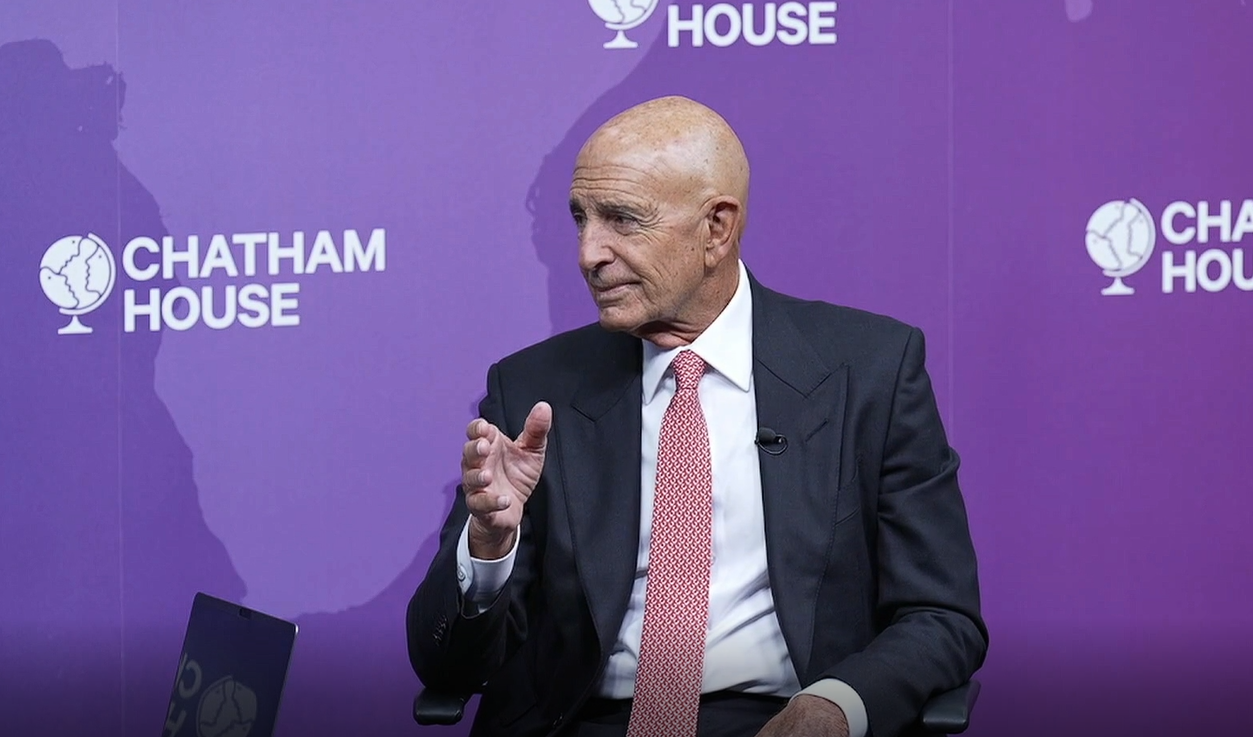
Speaking at Chatham House's Iraq Initiative Conference on Wednesday, Tom Barrack stated that, “The Kurdistan Region, the Barzanis, and the Talabanis have always been great friends of America. This is an Iraqi issue. This is an Iraqi decision. This is not an American decision.”
“My advice, the President's advice, is: get over it, full stop,” he added.
Barrack noted that, “Our attitude towards Iraq is: do what you've always done—be a bridge. We don't have to be adversarial. You don't have to be adversarial to Iran.”
Special Envoy Barrack stressed that he "cannot go back to Congress and explain the complexity of the Iraqi Constitution and the federalist delineation of the Kurdistan Region and how it dovetails with Baghdad."
He added that internal disputes within the Kurdistan Region are leaving American and international companies, which serve as the primary revenue source for the entire Region, "subjugated to what's happening now."
Barrack emphasized that attacks on Slemani’s Khor Mor gas field are "untenable" and require a coordinated response, stressing the need for "unity not only from the KRG, but with the KRG and Baghdad."
He said that while Washington can "encourage," there is "no way we can intervene" in internal disputes.
Regarding Baghdad's ties with Tehran, Barrack noted that due to their shared border and history, "the policy of the U.S. with Iraq and the policy of the U.S. with Iran, whether we like it or not, are hand in glove.“
He stated that Washington does not require Baghdad to be “adversarial” toward Tehran and urged Iraq to act as a diplomatic bridge.
The Envoy underlined that Iraq can use its trade, pilgrimage, and leadership ties to facilitate a dialogue with Iran that the United States cannot hold directly.
FYI
The Kurdistan Region is facing a political crisis following a two-year deadlock between the Kurdistan Democratic Party (KDP) and the Patriotic Union of Kurdistan (PUK) over forming a new cabinet.
Tensions escalated last week when the KDP elected the Kurdistan Parliament's leadership during a session boycotted by the PUK.
In response, PUK President Bafel Jalal Talabani announced his party's immediate withdrawal from the Kurdistan Regional Government and warned against unilateral governance.
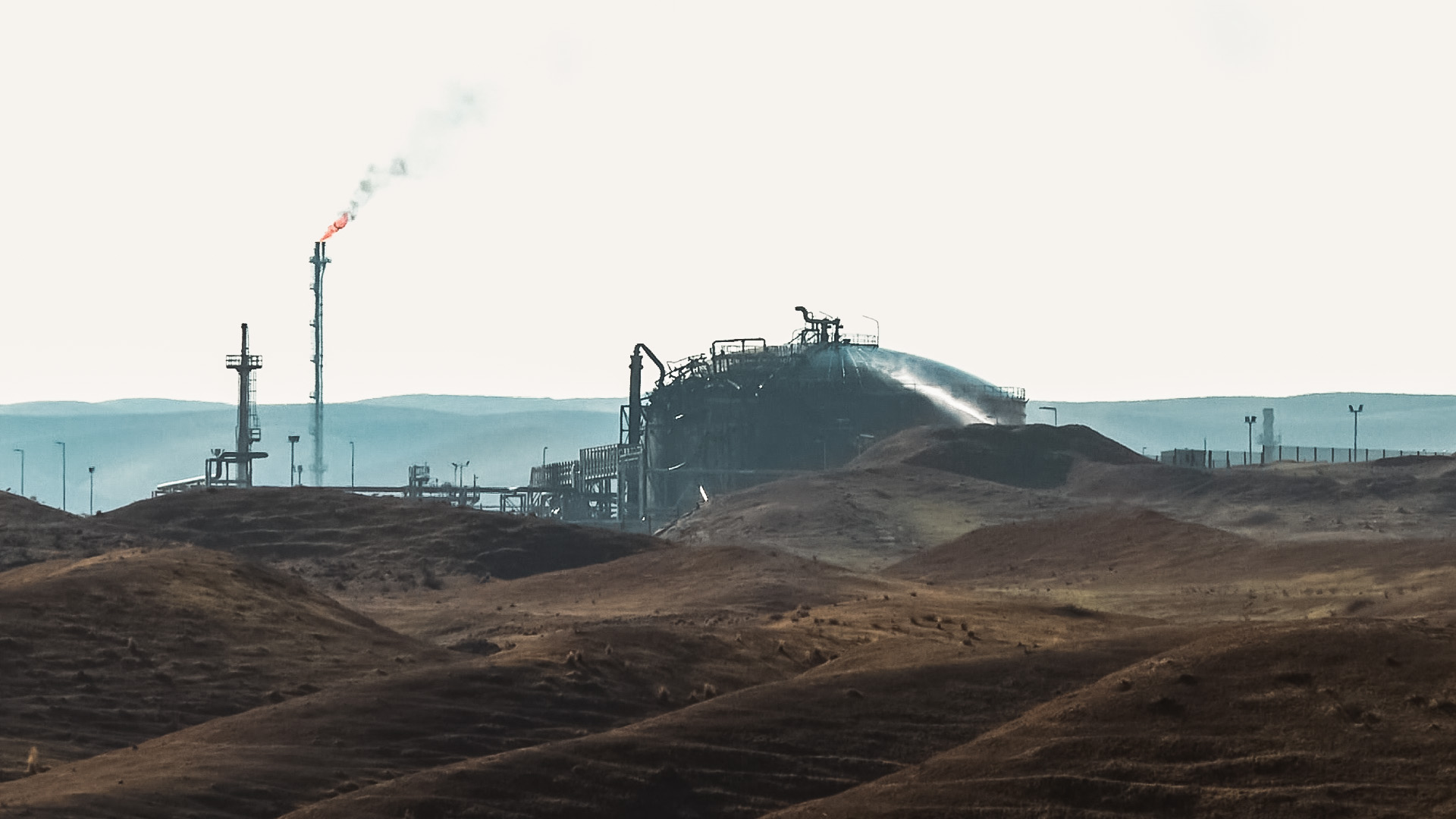
Alongside this political rift, the Region's energy infrastructure suffered a major blow on Sunday when a drone strike hit the Khor Mor gas field, halting production and causing widespread blackouts.
These domestic crises are unfolding amid heightened regional instability driven by the ongoing conflict between the United States, Israel, and Iran.
While Washington has pressured Baghdad to curb Iran-aligned militias and end external dependencies, Iraqi Prime Minister Ali al-Zaidi has pursued diplomatic mediation in Tehran to prevent Iraq from being drawn into the war.
Dive Deeper: Handpicked Stories for You
Follow Channel8 for continuous updates:
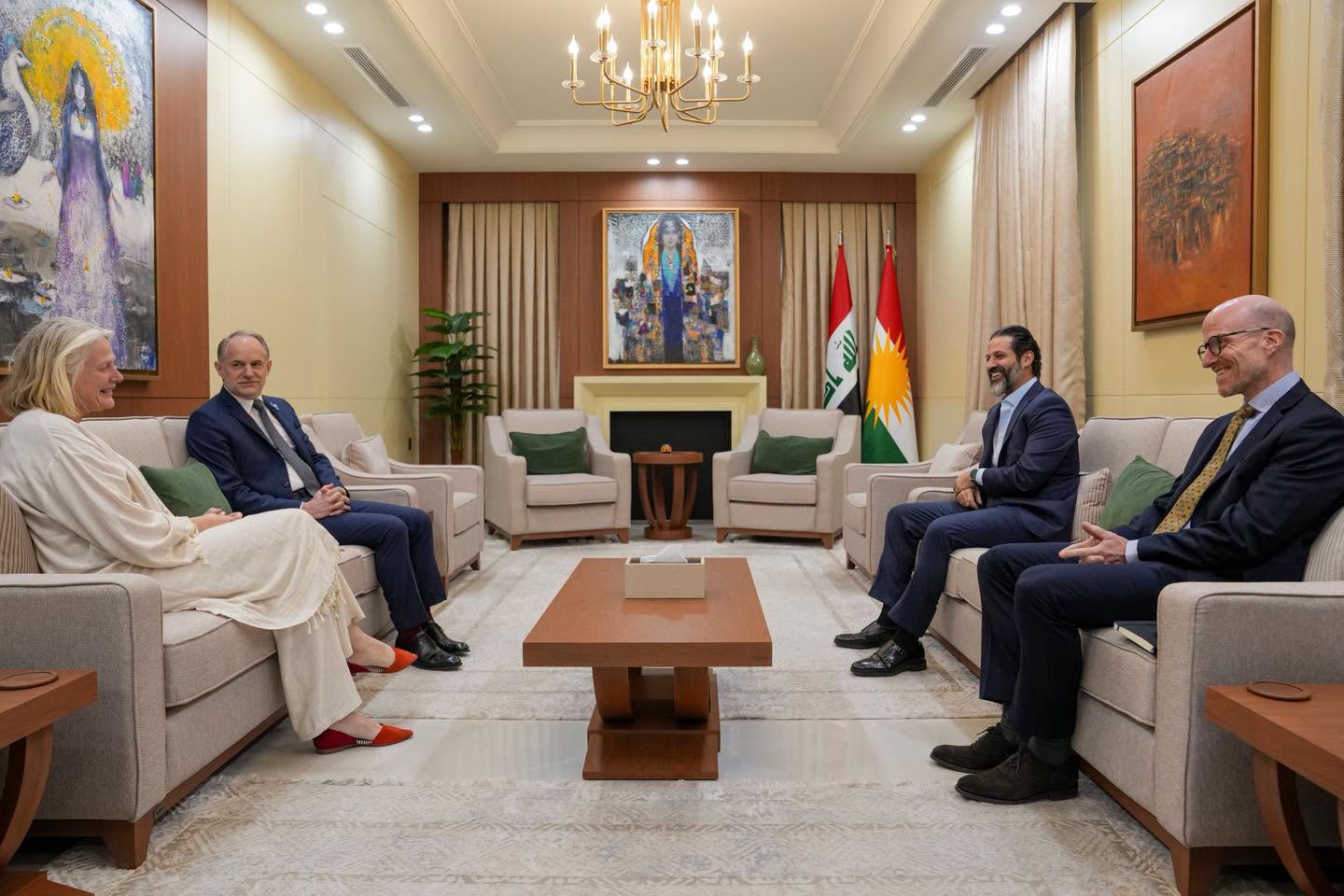
US Envoy Tom Barrack Meets PUK’s Darbaz Rasool and Ahmed Mufti
Qubad Talabani Briefs European Diplomats on PUK Government Withdrawal
PUK and New Generation File Lawsuit Challenging Parliamentary Session
Masrour Barzani Urges Parliamentary Dialogue and Rejects Centralized Oil