Slemani Destroys Farmland Irrigated With Harsh Water
At a Glance
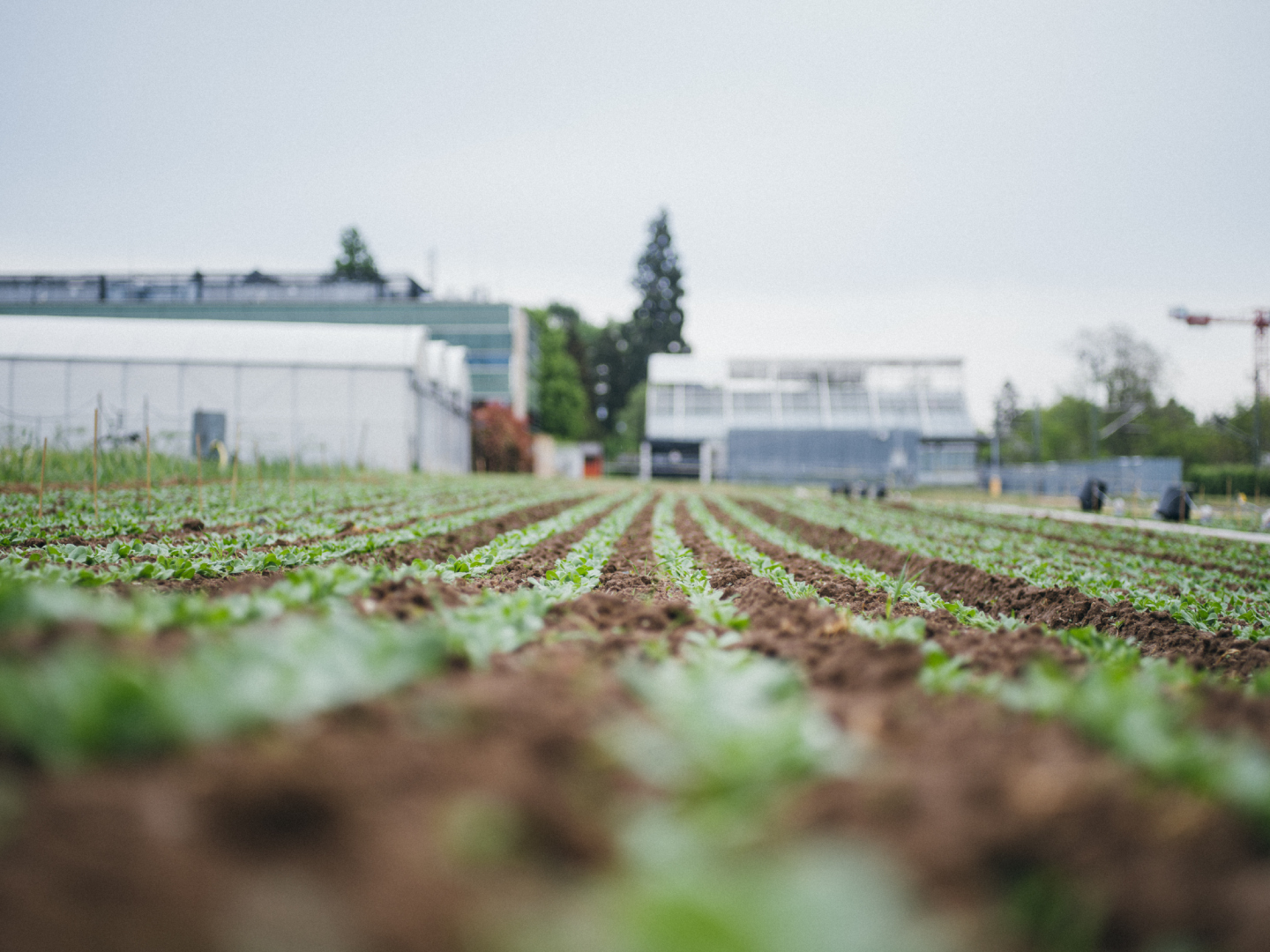
Authorities in Slemani destroyed vegetable farmland in the Tanjaro area.
Lab tests found the produce unsafe for human consumption.
Officials warned they will take similar action elsewhere.
Joint committees of the Slemani Governorship used bulldozers to destroy agricultural land in Tanjaro that was irrigated with harsh water, after laboratory tests confirmed the vegetables were hazardous.
Key Statements and Focus Area
Lab Results: "The laboratory results were extremely bad." — Baban Ahmed, Head of Joint Committees, to Channel8.
Health Risks: "Vegetables grown with harsh water absorb heavy metals such as lead, which accumulate in the bloodstream over time, leading to kidney failure, drug resistance, toxicity, and cancer." — Member of the Slemani Governorship High Committee.
Warning to Other Farms: "Similar measures will be taken in any other location where vegetables are cultivated using harsh water, and those lands will be destroyed." — Member of the Slemani Governorship High Committee.
Focus Area: The enforcement action against farmers growing vegetables with harsh water and the public health risks involved.
A medical team took vegetable samples to a laboratory for chemical and bacteriological analysis. After 12 hours of testing, the results showed the produce was unfit for human consumption and contained toxic compounds.
According to Ahmed, the land had been planted with vegetables before, and farmers were officially warned in previous years after similar action. The latest tests were carried out after farmers complained, claiming their produce was safe.
In coordination with the relevant authorities, the decision was made to bulldoze the land, and the water source was also blocked and destroyed to prevent a repeat.
The Governorship stressed that public health will not be compromised and that legal measures and penalties will be strictly enforced against the farm owners.
FYI
Irrigating crops with contaminated water is a known public health hazard worldwide, as it can introduce pathogens and heavy metals into the food chain. The practice is often driven by water scarcity and the low cost of access to such water sources, and health authorities generally advise against consuming produce grown this way.
Dive Deeper: Handpicked Stories for You
Follow Channel8 for continuous updates:
Women's Union of Kurdistan and Sulaymaniyah Health Partner to Renovate Maternity Teaching Hospital
Medical Team in Sulaymaniyah Successfully Removes Needle from 10-Year-Old Child's Bladder