Pakistan Rejects Trump’s Call to Join Abraham Accords, Citing 'Fundamental Ideologies'
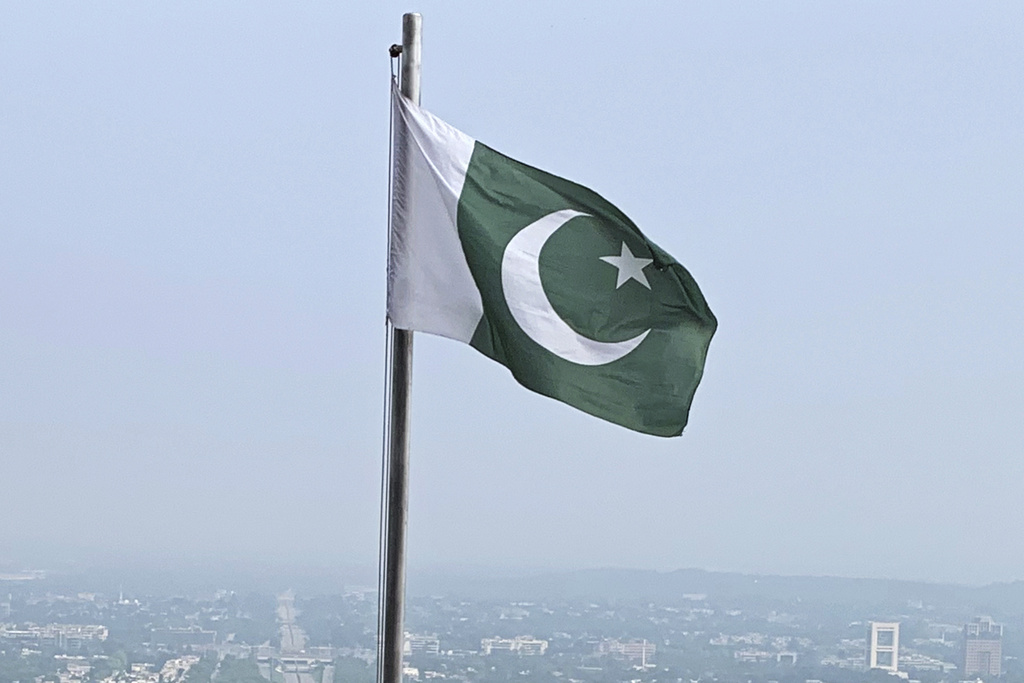
Pakistan’s Defence Minister Khawaja Asif on Tuesday firmly rejected U.S. President Donald Trump’s proposal for Islamabad to join the Abraham Accords and normalize relations with Israel, stating that such a move directly contradicts the nation's core principles.
'Not Acceptable to Us'
Speaking in an interview with broadcaster Samaa TV, Asif clarified Pakistan’s long-standing position regarding diplomatic engagement with Israel.
"Personally, I don't think that we should join any such accord that clashes with our fundamental ideologies," Asif said, according to a report by the ANI news agency. "We have a very clear stance that this is not acceptable to us."
The defense minister further questioned the diplomatic credibility of entering such frameworks, asking rhetorically how Pakistan could cooperate with parties whose diplomatic commitments could not be relied upon. Asif also underscored the institutional permanence of the policy by noting that Pakistan’s passport explicitly states it is valid for all countries except Israel.
Trump Demands 'Mandatory' Accord Expansion
The blunt rejection from Islamabad follows a highly visible public push by President Trump to expand the U.S.-brokered diplomatic framework. In a lengthy post on his Truth Social platform on Monday, Trump linked the normalization of ties with Israel directly to ongoing, delicate negotiations aimed at ending the conflict with Iran.
Trump revealed that he had spoken with a coalition of regional leaders—including the heads of state of Saudi Arabia, Bahrain, the UAE, Qatar, Turkey, Egypt, Jordan, and Pakistan—urging them to sign on.
"I am mandatorily requesting that all Countries immediately sign the Abraham Accords," Trump wrote, adding that a successful U.S.-Iran peace settlement would make it "an Honor" to eventually have Tehran join the bloc as well. "The Middle East would be United, Powerful, and Economically Strong, like perhaps no other area, anywhere in the World!"
A Deeply Rooted Diplomatic Divide
First brokered during Trump's first term in 2020, the Abraham Accords established formal diplomatic and economic ties between Israel and several Arab and Muslim-majority nations, including the UAE, Bahrain, Morocco, and Sudan.
However, Pakistan has maintained a strict, decades-long policy that refuses formal recognition of Israel. Foreign policy officials in Islamabad have continuously reiterated that any normalization of relations remains entirely contingent upon a viable two-state solution that includes the establishment of an independent Palestinian state based on pre-1967 borders.