US Begins Final Erbil Withdrawal, Removing Patriot Missiles, Al-Monitor Reports
At a Glance
- The US military initiated the withdrawal of Patriot missile systems and personnel from Erbil International Airport.
- The redeployment complies with the Washington-Baghdad agreement to conclude coalition military missions by September 30.
- Depleted missile inventories reportedly drove the US to prioritize deployments in the Gulf region and Jordan over Erbil.
- Military experts warn that removing the air defense umbrella leaves critical regional infrastructure vulnerable to ongoing Iranian missile and drone attacks.
According to a report published by Al-Monitor, the US military has begun withdrawing its troops and Patriot air defense systems from the military base near Erbil International Airport, even as regional Iranian missile and drone strikes persist.
Key Statements and Focus Area
- Depleted Missile Stocks: International studies indicate annual US Patriot missile production is limited to 183 units, forcing Washington to consolidate remaining systems in higher-priority locations like the Gulf states and Jordan.
- Agreed Timeline: Regional officials described the military movement as a routine phase within the bilateral framework agreed upon with Baghdad to fully withdraw US forces from Iraq by September 30.
- Defense Capability Gap: Defense analyst Michael Knights observed that the withdrawal creates a dual-edged security scenario, significantly increasing long-term operational risks for Erbil International Airport.
The U.S. military has initiated the drawdown of its final remaining forces stationed near Erbil International Airport in Iraqi Kurdistan, according to well-placed sources who spoke to Al-Monitor.
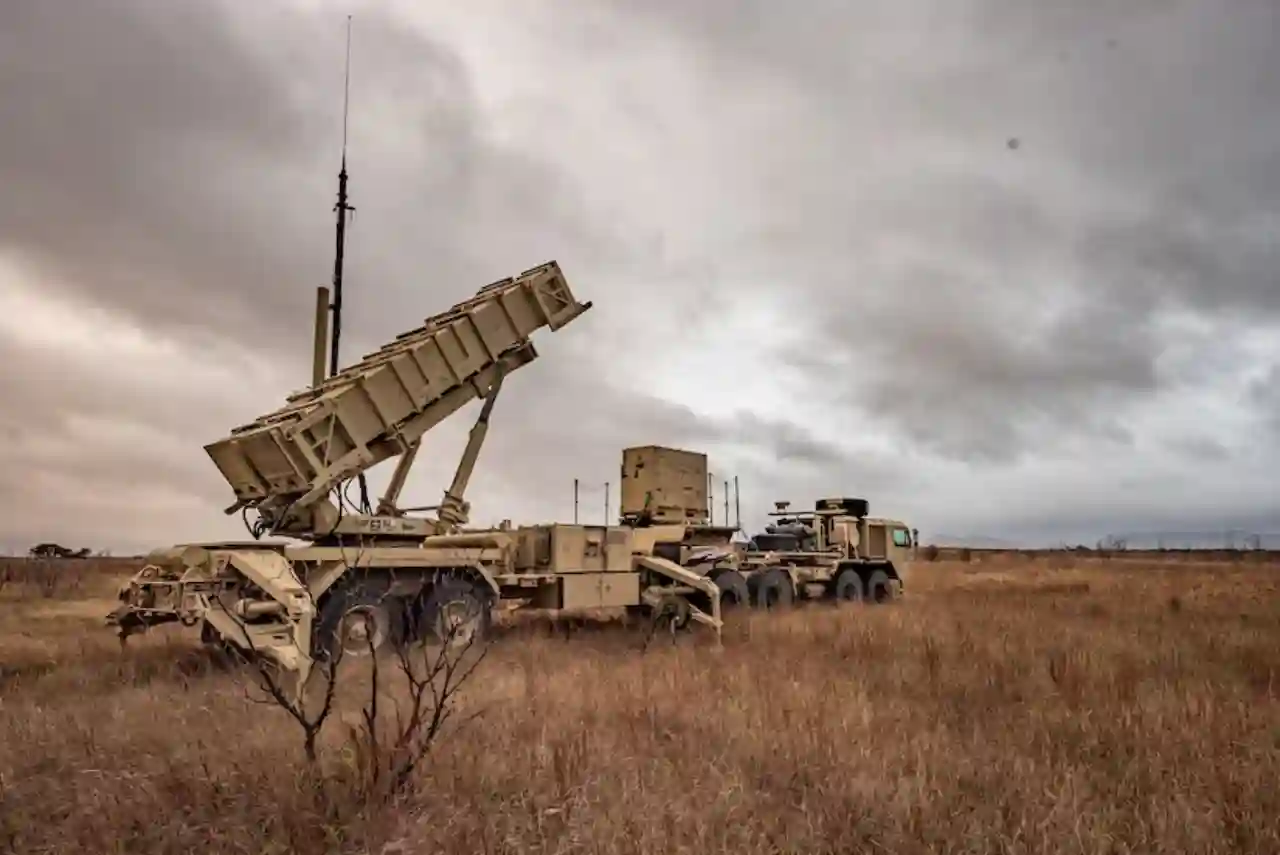
As part of the withdrawal, all U.S. Patriot air-defense missile systems—designed to intercept incoming missiles and drones—have already been dismantled and redeployed to an undisclosed location, sources told Al-Monitor. While the bulk of U.S. troops and heavy equipment have departed since operations began last week, secondary defensive weapons systems currently remain on-site.
Regional officials described the troop movement as a routine phase of the broader agreement between Washington and Baghdad, which mandates a complete U.S. military exit from Iraq by September 30.
Despite official assurances, the move has raised significant concern across the Kurdistan Region. Coming amid persistent strikes by Iran and its aligned Shiite militia proxies, the removal of key air-defense assets has left regional authorities feeling increasingly vulnerable.
FYI
Erbil International Airport has served as a critical hub for US and international coalition operations in northern Iraq. The withdrawal of the Patriot PAC-3 batteries highlights acute defense supply chain constraints facing the Pentagon amid multi-theater demand for surface-to-air interceptors. As Washington aligns force postures with the bilateral agreement with Baghdad, the reduction in air defense infrastructure alters the tactical balance in the Iraqi Kurdistan Region, leaving strategic facilities increasingly reliant on localized defenses against low-altitude drone and ballistic threats.
Dive Deeper: Handpicked Stories for You
- Follow Channel8 for continuous updates:
https://channel8.com/english/news/55855
01/08/2026