Import Tariffs Strengthen Support for Kurdistan Region Farmers
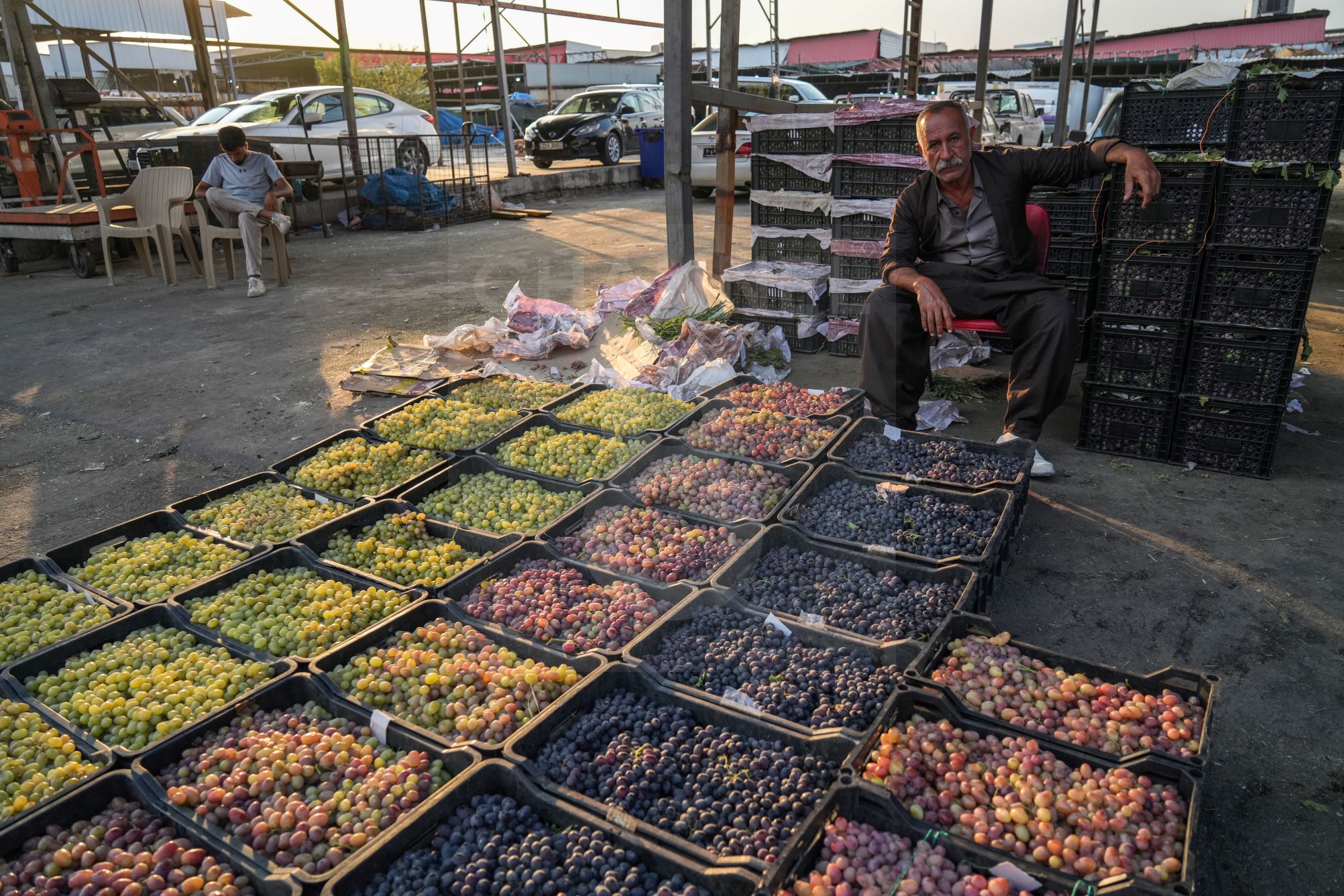
At a Glance
- Tariffs imposed on imported seasonal fruits.
- Local fig and grape harvests underway.
- Half of grape production supplied to Iraq.
- Ministry targets greater agricultural self-sufficiency.
The Ministry of Agriculture has imposed tariffs on imported seasonal fruits, including figs, grapes, and apricots, as part of efforts to protect local farmers and strengthen domestic agricultural production.
Key Statements and Focus Area
- Channel8 has learned that import tariffs are being enforced during peak harvest seasons.
- The Kurdistan Region produces up to 250,000 tons of grapes and 25,000 tons of figs annually.
- Around 50% of the Region's grape production is supplied to central and southern Iraq.
- The Ministry of Agriculture is working to expand production of crops such as cherries and strawberries.
Tariffs Introduced to Protect Local Farmers
The Ministry of Agriculture has imposed customs tariffs on imported figs, grapes, and apricots to support domestic producers during the harvest season.
According to the ministry, the measures are intended to protect local farmers from financial losses caused by imported produce entering the market during peak production periods.
Strong Seasonal Fruit Production
The Kurdistan Region continues to record significant fruit production each year.
Annual fig production ranges between 20,000 and 25,000 tons, with the largest harvests coming from Taqtaq, Akre, and nearby areas.
Grape production reaches 200,000 to 250,000 tons annually across more than 100,000 dunams of farmland, with about half of the harvest supplied to central and southern Iraq.
Combined annual production of plums and apricots stands between 10,000 and 15,000 tons.
Local figs are currently selling for 4,000 to 7,000 Iraqi dinars per kilogram.
Ministry Seeks Greater Self-Sufficiency
Rizgar Hama Khidr, an adviser at the Ministry of Agriculture, told Channel8 that efforts to increase domestic production have already produced positive results for crops such as cherries and strawberries.
He said the ministry continues to rely on seasonal import restrictions and customs tariffs to encourage local agricultural expansion and reduce dependence on imported produce.
Seasonal Protection Measures
According to the ministry, import protection measures are implemented based on crop harvest periods.
Higher customs tariffs on imported figs and grapes are applied between July 1 and October 1, when local production reaches the market.
Officials said the policy is designed to give local farmers greater opportunities to market their produce during the harvest season.
FYI
Agriculture remains one of the Kurdistan Region's key economic sectors, with seasonal fruit production playing a major role in local markets and exports to other parts of Iraq. In recent years, authorities have increasingly used seasonal import restrictions and customs tariffs to support domestic farmers, encourage investment in agriculture, and improve food self-sufficiency.
Dive Deeper: Handpicked Stories for You
Follow Channel8 for continuous updates:
https://channel8.com/english/news/58694
02/08/2026