Pezeshkian Rejects Resignation Rumors, Calls for Peace
At a Glance
- Pezeshkian denies plans to resign
- Iran favors negotiations over continued war
- President warns against attacks from neighboring states
- Tehran stresses unity over Islamabad Accord
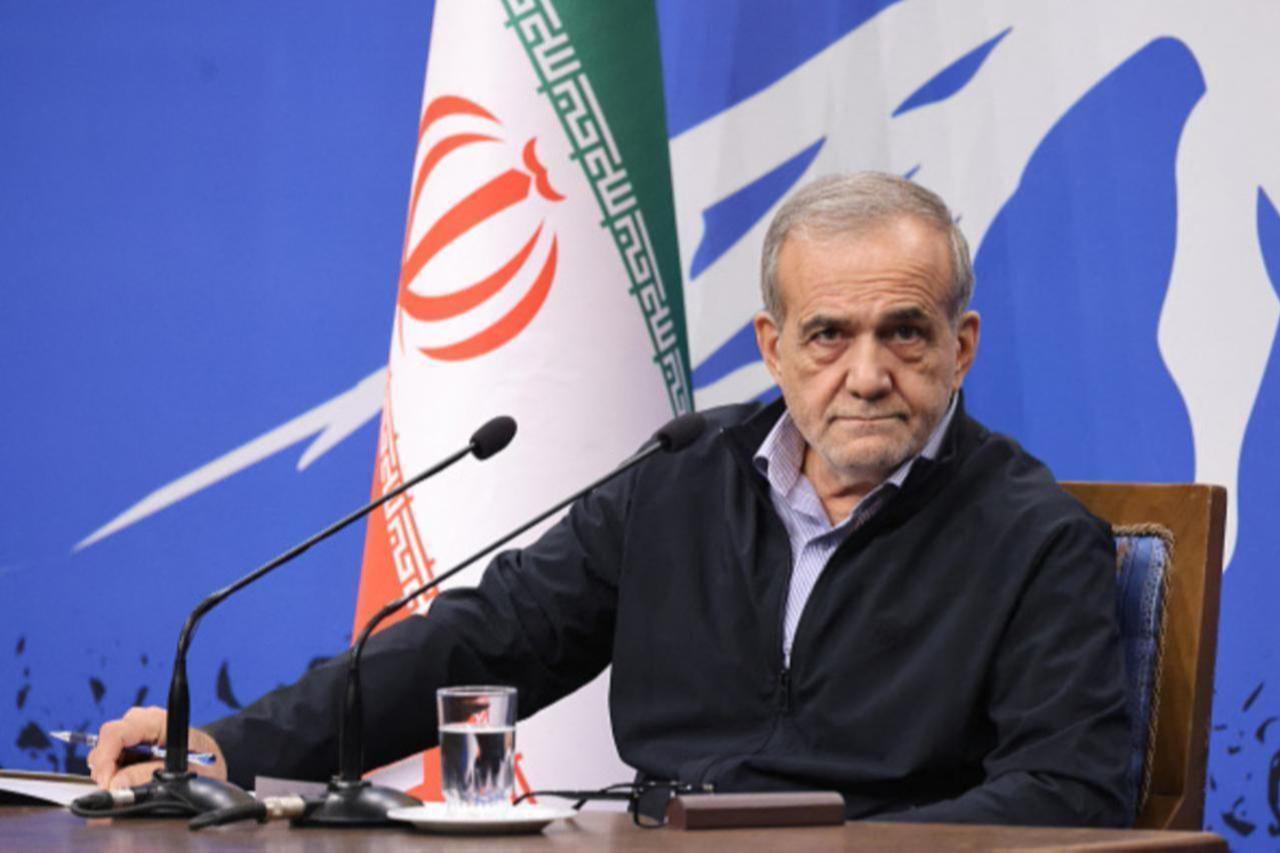
Iranian President Masoud Pezeshkian has rejected reports that he plans to resign, saying his government remains committed to negotiations as the preferred path for protecting Iran's rights, easing sanctions, and avoiding further war.
Key Statements and Focus Area
- Pezeshkian: "Continuation of the war is Israel's will; we seek peace."
- The Iranian president described diplomacy as the main route to reclaiming Iran's rights and easing international sanctions.
- Tehran warned neighboring countries against allowing their territory to be used for attacks against Iran.
- Pezeshkian said the agreement received the approval of 12 of 13 members of the Supreme National Security Council.
- Parliament Speaker Mohammad Bagher Ghalibaf has been designated to oversee the negotiating delegation.
President Masoud Pezeshkian rejected reports that he intends to resign, saying he remains in office and will continue confronting challenges facing his government.
His remarks came amid reports of disagreements inside Iran over the government's approach to negotiations with the United States and the continuation of military confrontation.
Pezeshkian argued that continuing the war would serve Israel's interests, while his administration is seeking to pursue peace through diplomatic channels.
Pezeshkian said negotiations remain the primary route for Iran to secure its rights and seek relief from international sanctions.
He pointed to previous diplomatic efforts, saying negotiations contributed to ending the war in Lebanon and reducing some economic sanctions.
He also argued that diplomacy could allow Iran to preserve its military capabilities while avoiding the economic and human costs associated with prolonged conflict.
Pezeshkian issued a warning to regional countries against allowing their territories to be used as launch points for attacks against Iran.
He said that if Iran is attacked from any location or country, Tehran would respond against the source of the attack.
Pezeshkian emphasized what he described as a unified position between the Supreme Leader, the government, and the military regarding the ratification of the Islamabad Accord.
He said the agreement was approved by 12 of the 13 members of the Supreme National Security Council.
Parliament Speaker Mohammad Bagher Ghalibaf has also been designated to oversee Iran's negotiating team.
The president's position comes amid opposition from Iranian hardliners who regard negotiations with Washington as ineffective and favor continued military confrontation.
Mohammad Bagher Kharrazi, a cleric close to the Supreme Leader's family, claimed that Pezeshkian had repeatedly sought to resign and that Mojtaba Khamenei warned him that any further request would be accepted.
Pezeshkian has rejected the resignation reports while defending the government's diplomatic efforts, including those led by Foreign Minister Abbas Araghchi.
FYI
The Islamabad talks in Pakistan are being presented as a major diplomatic development between Tehran and Washington, against the backdrop of prolonged regional tensions. Pezeshkian's government has framed negotiations as a means of protecting Iran's national interests while avoiding further military escalation, although the approach continues to face opposition from hardline factions inside Iran.
Dive Deeper: Handpicked Stories for You
Follow Channel8 for continuous updates:
Pakistan Urges US and Iran to Resume Peace Negotiations
Trump Halts Imminent Strikes on Iran Following Regional Appeal
08/08/2026