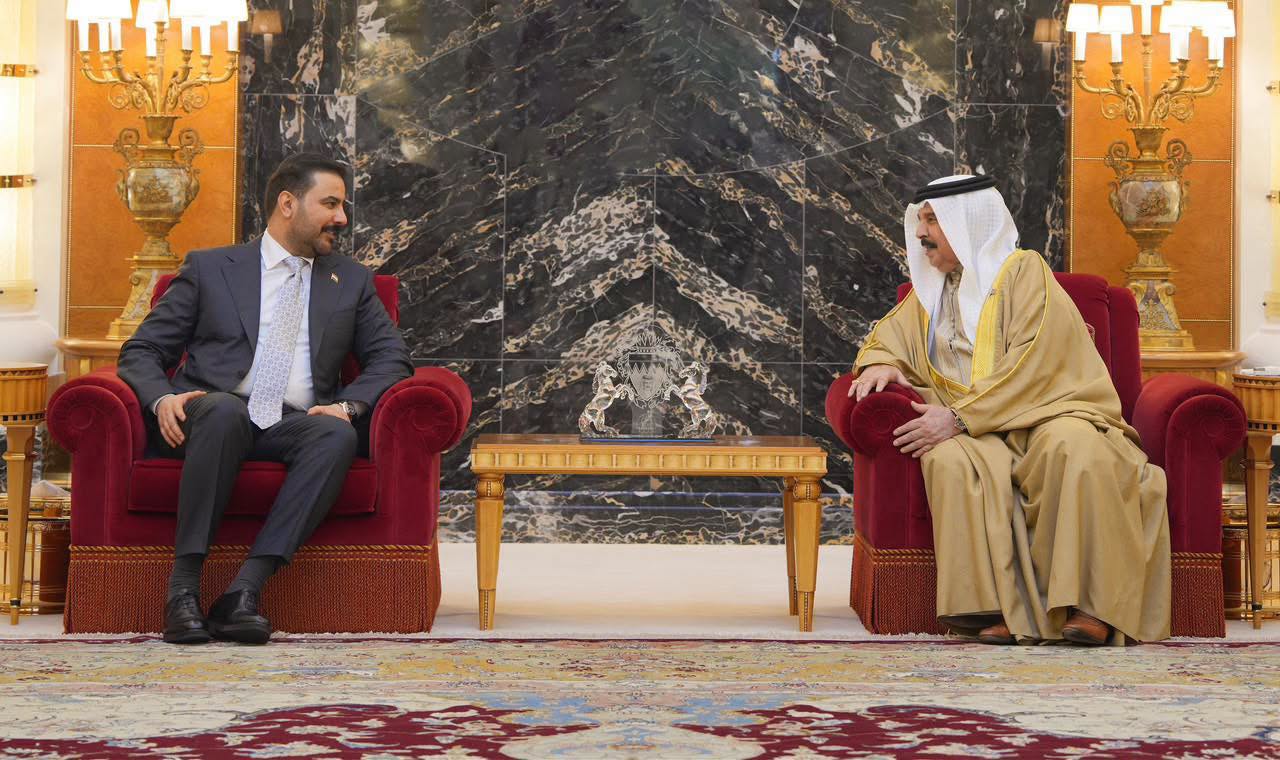
Iraqi Prime Minister Orders Sweeping Reforms at Border Crossings
At a Glance
- Mandatory completion of the Border Crossings Automation Project and ASYCUDA integration.
- Taxes, customs, and service fees to be deducted directly upfront.
- Unprecedented anti-smuggling, anti-fraud, and enforcement measures ordered across all ports.
- Alignment with the Development Road Project and regional transport routes.
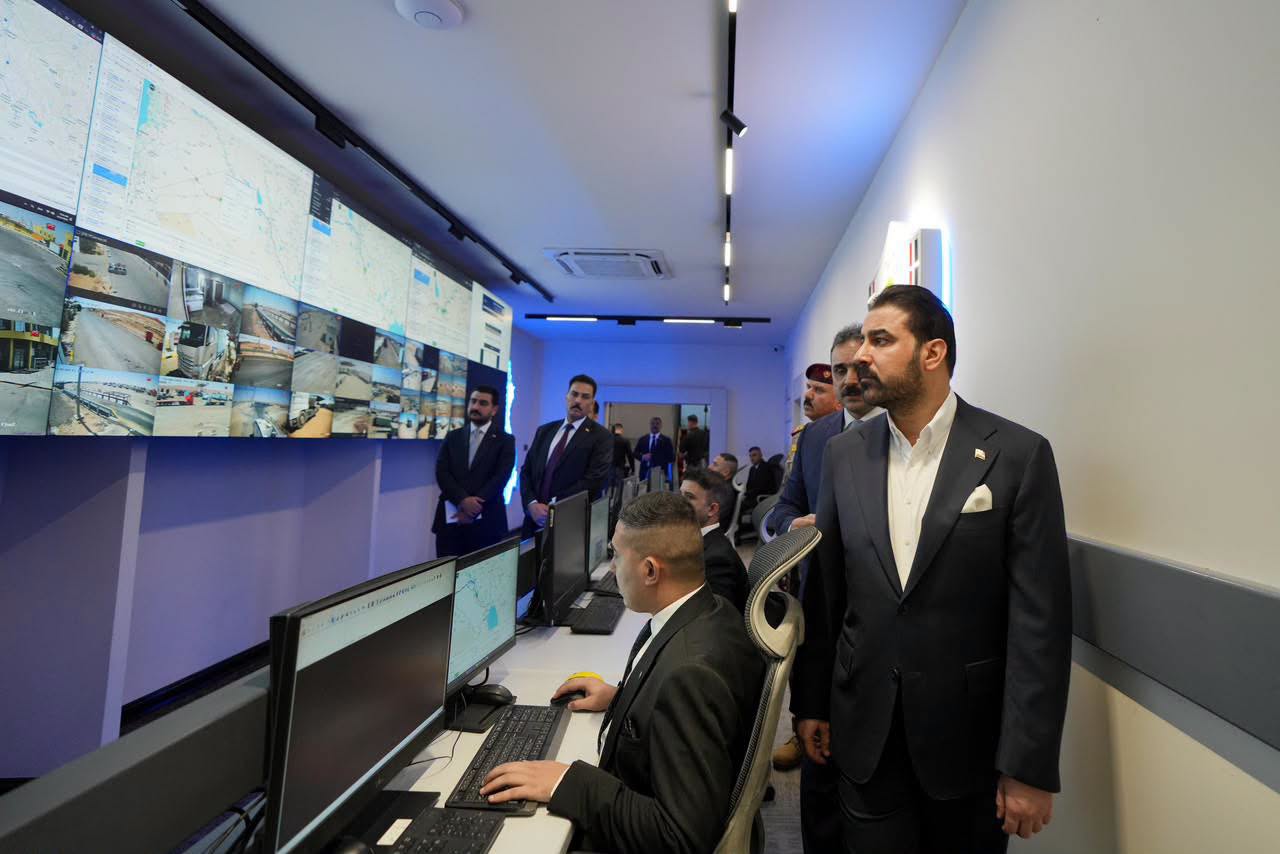
Iraqi Prime Minister and Commander-in-Chief of the Armed Forces Ali Faleh al-Zaidi conducted an official visit to the headquarters of the Border Ports Authority, issuing strict executive directives to accelerate digital integration, eliminate corruption, and transform border crossings into self-sustaining state revenue generators.
Key Statements and Focus Area
- On National Gateway Role: Al-Zaidi emphasized during a video conference with crossing directors that border ports "represent the face of the state and its economic, security, and sovereign gateways."
- On Technological Transition: He stressed the necessity to "expedite the completion of the Border Crossings Automation Project and put an end to attempts at fraud, corruption, and manipulation."
- On Financial Restructuring: Al-Zaidi mandated that border ports achieve self-financing by ensuring "tax and customs duties are deducted at the outset and prior to financial transfers."
- On Crime and Smuggling: Declaring zero tolerance, the Prime Minister stated that narcotics smuggling and evasion "constitute serious crimes that target society and claim the lives of Iraqis, and there will be no leniency toward those responsible."
Directives for Automation and Self-Financing Frameworks
Addressing border crossing directors and personnel, Prime Minister Al-Zaidi saluted their efforts in protecting Iraq's sovereignty and economic stability. To prevent financial manipulation, he directed that all land, air, and maritime border crossings be interconnected through a secure electronic network. Under the new operational model, daily comprehensive reports on operations and revenues must be submitted directly to central authorities, incorporating leading international management standards. Furthermore, tax and customs duties will be withheld prior to any capital outflow, alongside dedicated service fees reinvested into facility modernization.
Zero Tolerance Policy on Corruption and Narcotics Smuggling
The Prime Minister emphasized that eradicating corruption across border ports remains a top state priority, warning of imminent and decisive structural enforcement measures. He singled out drug trafficking, illegal circumventing of regulatory inspections, and tax receipt falsification as direct threats to national security, instructing intelligence and security units stationed at ports to enforce uncompromising oversight.
Integration with the Development Road Project
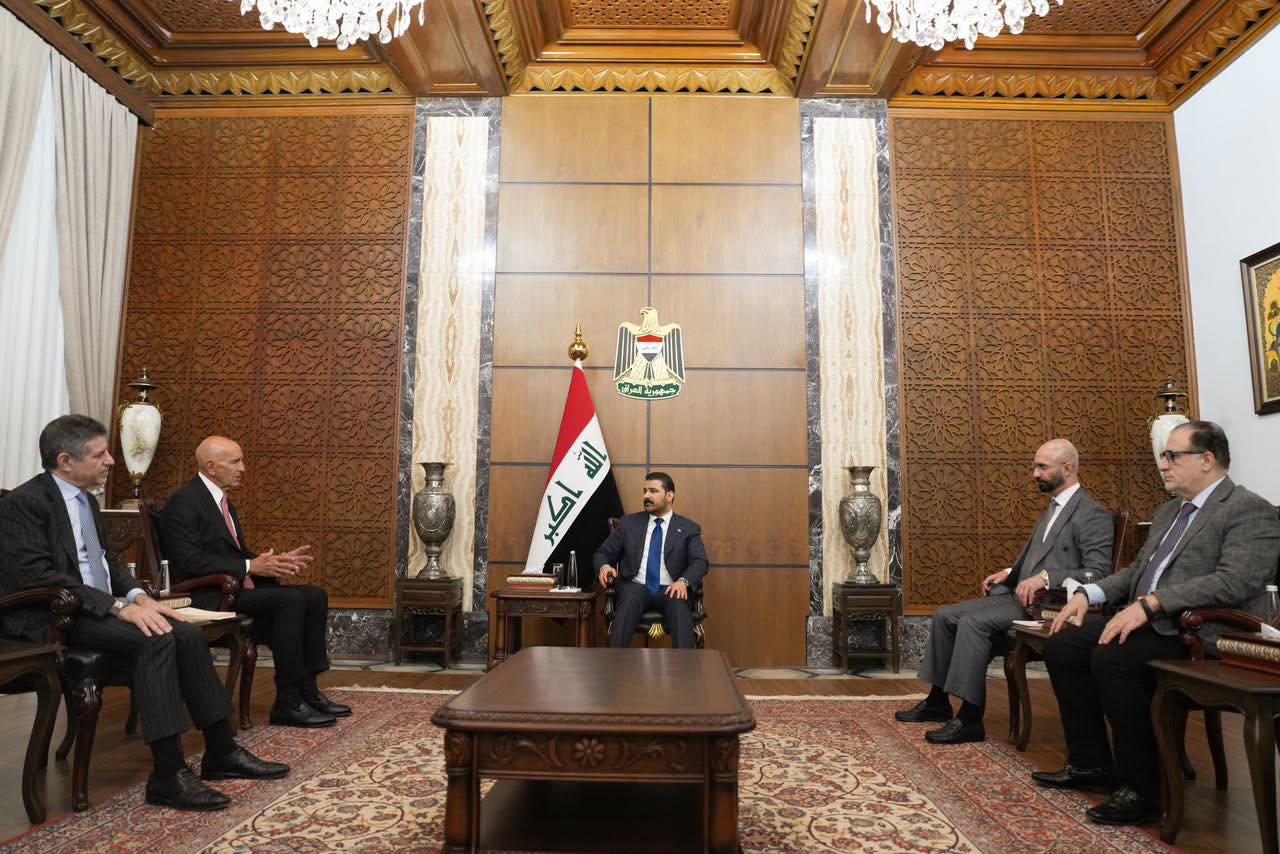
Briefing the Prime Minister, the Head of the Border Ports Authority, Lieutenant General Omar Adnan Al-Waeli, outlined progress on the strategic Development Road Project following the execution of the implementation agreement with Turkey. Al-Waeli reviewed the project's planned rail and road corridors, detailing potential international connections extending into Syria and Saudi Arabia, alongside regional nexus points within Iraqi governorates.
Operational Revenue Growth and ASYCUDA Deployment
Lieutenant General Al-Waeli reported a measurable rise in customs revenues for the current fiscal year. This growth follows the rollout of a secure electronic truck-tracking mechanism, integration with the UNCTAD-backed ASYCUDA customs system, the shutdown of illegal crossings, and unified financial controls executed in coordination between Baghdad and regional authorities.
FYI
This high-level intervention comes amidst a broader administrative push by the Al-Zaidi government to overhaul Iraq’s non-oil revenue infrastructure and curb systemic leakages. Following recent agreements to harmonize customs protocols and implement the ASYCUDA automated system across both federal and Kurdistan Region border posts, Baghdad is moving aggressively to centralize tariff collection and bolster anti-smuggling enforcement along key trade corridors.
Dive Deeper: Handpicked Stories for You
Follow Channel8 for continuous updates:
Iraq Reaffirms Sovereignty Stance During Saudi Talks
Iraqi Prime Minister Evaluates Air Defense Operations Readiness
State Administration Coalition Backs September 30 Deadline on Arms
.webp)