Iran Says 60-Day MoU Framework Lost Relevance After U.S. Breaches
At a Glance:
- Foreign Ministry Spokesperson Esmaeil Baghaei states the June 17 memorandum contained a framework for discussions, not a strict deadline.
- Tehran claims early U.S. violations prevented talks on sanctions and nuclear files from ever beginning.
- Iran insists policy decisions will not be driven by external pressure, while mediation via Qatar, Oman, and Pakistan continues.
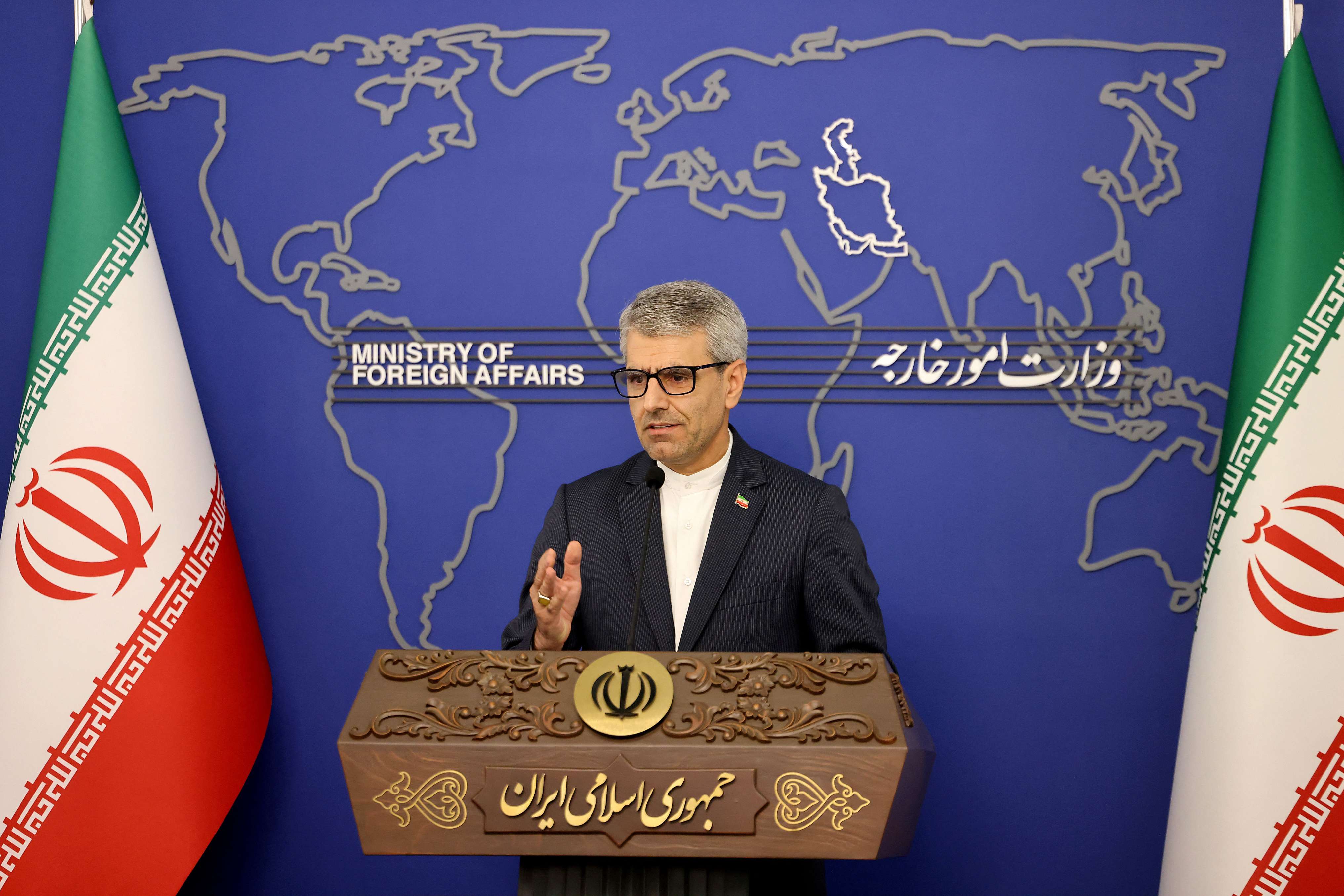
The Iranian Foreign Ministry stated on Monday that the June memorandum of understanding with the United States does not contain a "60-day grace period," clarifying that the designated timeframe was meant solely for structured negotiations on sanctions relief and nuclear issues.
Speaking during his weekly press briefing, Foreign Ministry Spokesperson Esmaeil Baghaei asserted that the 60-day timeline lost all relevance after early U.S. violations prevented formal talks from taking place. Meanwhile, Tehran confirmed ongoing diplomatic engagement with Qatar, Oman, and Pakistan to manage regional de-escalation.
Key Statements and Focus Area:
- On Policy Decisions and Pressures: "There is no provision in the memorandum referring to a '60-day deadline,' and Iran never formulates its policies under pressure, ultimatums, or deadlines," emphasized Foreign Ministry Spokesperson Esmaeil Baghaei.
- On the Failure of the MoU Framework: "Due to the serious and widespread violation of the June 18 memorandum of understanding by the United States just a few weeks after its signing, no talks ever began," stated Baghaei.
- On Sovereign Maritime Laws: "Regarding issues related to Iran's sovereign rights in the Gulf, the Strait of Hormuz, and the Sea of Oman, existing prior laws apply," Baghaei confirmed.
Clarification on the Memorandum of Understanding
Addressing widespread reporting regarding the expiration of a 60-day timeline, Iranian Foreign Ministry Spokesperson Esmaeil Baghaei clarified Tehran's stance on the agreement signed in mid-June. Baghaei asserted that the text contained no hard deadline or grace period, but rather a temporary 60-day window intended for bilateral discussions on nuclear matters and sanctions relief that could be extended if necessary. Because the U.S. allegedly violated the terms shortly after signing, Iranian officials contend that formal talks were never initiated, making the 60-day framework moot.
Mediation and Regional Maritime Frameworks
Despite the breakdown in direct U.S.-Iran discussions, Baghaei confirmed that diplomatic communications remain active with regional mediators, including Qatar, Oman, and Pakistan. Negotiations with Oman regarding maritime management are ongoing, though Baghaei acknowledged progress has been slow due to the multiplicity of actors involved. He reiterated that Iran’s existing maritime laws remain fully applicable over its sovereign territorial waters in the Gulf, the Strait of Hormuz, and the Sea of Oman.
Inquiries Regarding Military Pilots
Baghaei also addressed inquiries regarding four Iranian military pilots missing since earlier operational missions. While confirming that diplomatic coordination with Qatar on broader regional issues remains active, Baghaei emphasized that Tehran is separately pursuing clarification on the fate of three missing pilots through diplomatic, legal, and international channels, operating under the assumption that they remain held in captivity.
FYI
The disputes surrounding the June memorandum underscore the ongoing fragility of diplomatic backchannels between Washington and Tehran. While initial arrangements brought a temporary lull to commercial shipping disruptions in the Strait of Hormuz, differing interpretations over transit protocols and sanctions enforcement quickly led to renewed hostilities. As both sides trade accusations over non-compliance, regional states like Qatar and Oman continue to serve as essential buffers, attempting to prevent localized maritime frictions from cascading into wider military escalation across the Persian Gulf.
Dive Deeper: Handpicked Stories for You
Follow Channel8 for continuous updates:
Baghaei: No Compromise on Uranium Enrichment
Iran Warns Ukraine, Summons French Envoy, Denies U.S. Role in Hormuz Talks
![Irani’s Araghchi, left, meets with Pakistan’s Munir in Islamabad, Pakistan, in April 2026 [File: Iranian Foreign Ministry/AP Photo]](https://media.channel8.com/english/wp-content/uploads/2026/05/AP26115285212508-1777383639.webp)
.jpg)