Iraq and Turkey Establish Groundbreaking Flexible Water-Sharing Framework
At a Glance
- Dynamic, seasonal water-sharing replaces fixed quotas.
- Turkish firms manage/renovate Iraqi dams for 5 years, funded by oil.
- The 1 billion cubic meter target covers only half of Iraq's actual needs.
Iraq and Turkey have activated a landmark framework agreement establishing a flexible, data-driven formula for cross-border water shares, pairing vital resource management with bilateral economic and infrastructure cooperation to combat severe regional drought.
Key Statements and Focus Area
- Data-Driven Allocation: Under the agreement, Iraq must submit precise data regarding agricultural, industrial, and environmental needs so Turkey can adjust water releases seasonally.
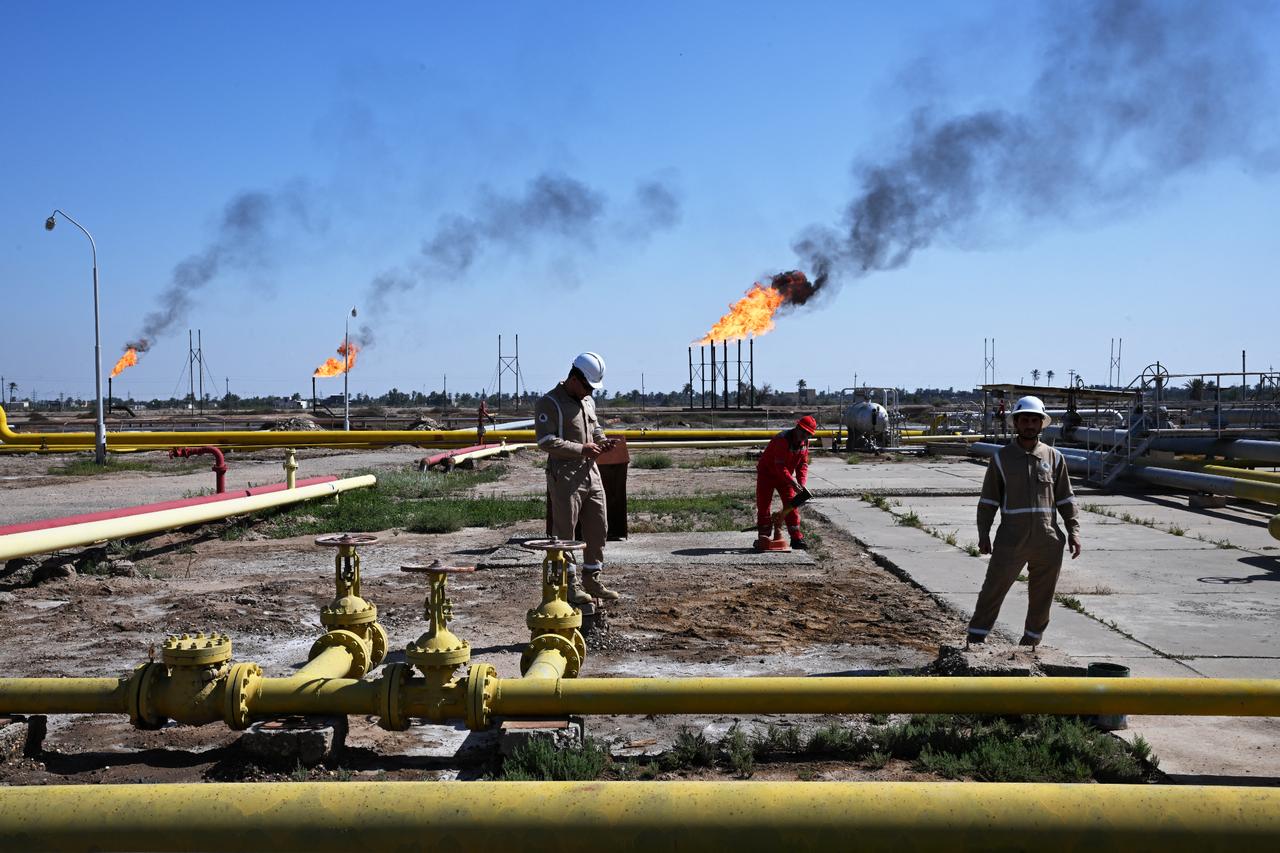
- Financing via Energy: Infrastructure rehabilitation projects implemented by Turkish engineering firms will be directly funded through revenues tied to Iraqi oil exports.
- Expert Assessment: Water resource specialists warn that while the pact represents a vital step forward, reaching 1 billion cubic meters covers only half of Iraq's urgent requirements to fully overcome its ongoing environmental crisis.
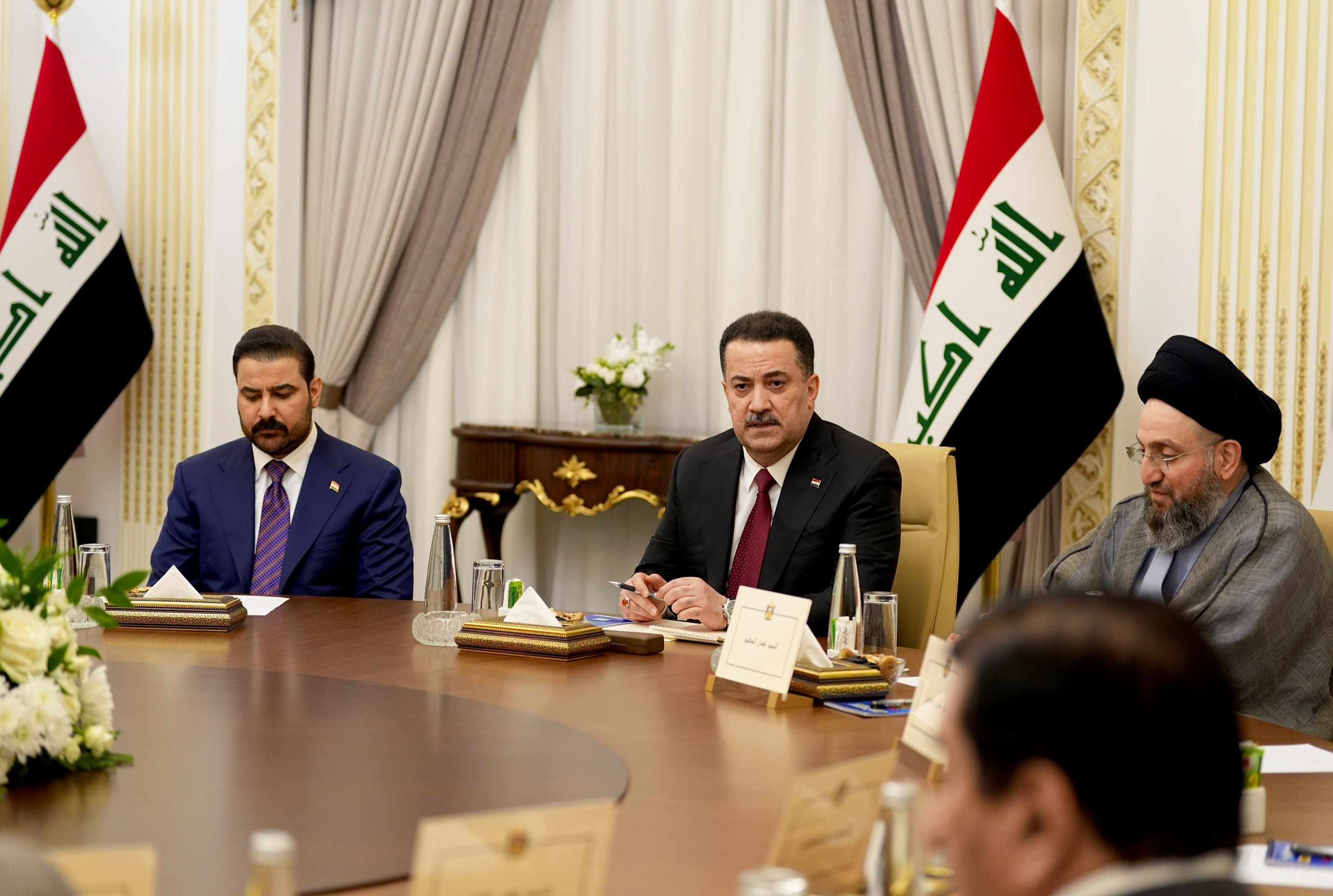
- Official Insights: Torhan al-Mufti, an advisor to Prime Minister Ali al-Zaidi, highlighted that receiving a guaranteed yet flexible share marks a historic milestone in bilateral relations.
Agreement Mechanism and Water Shares
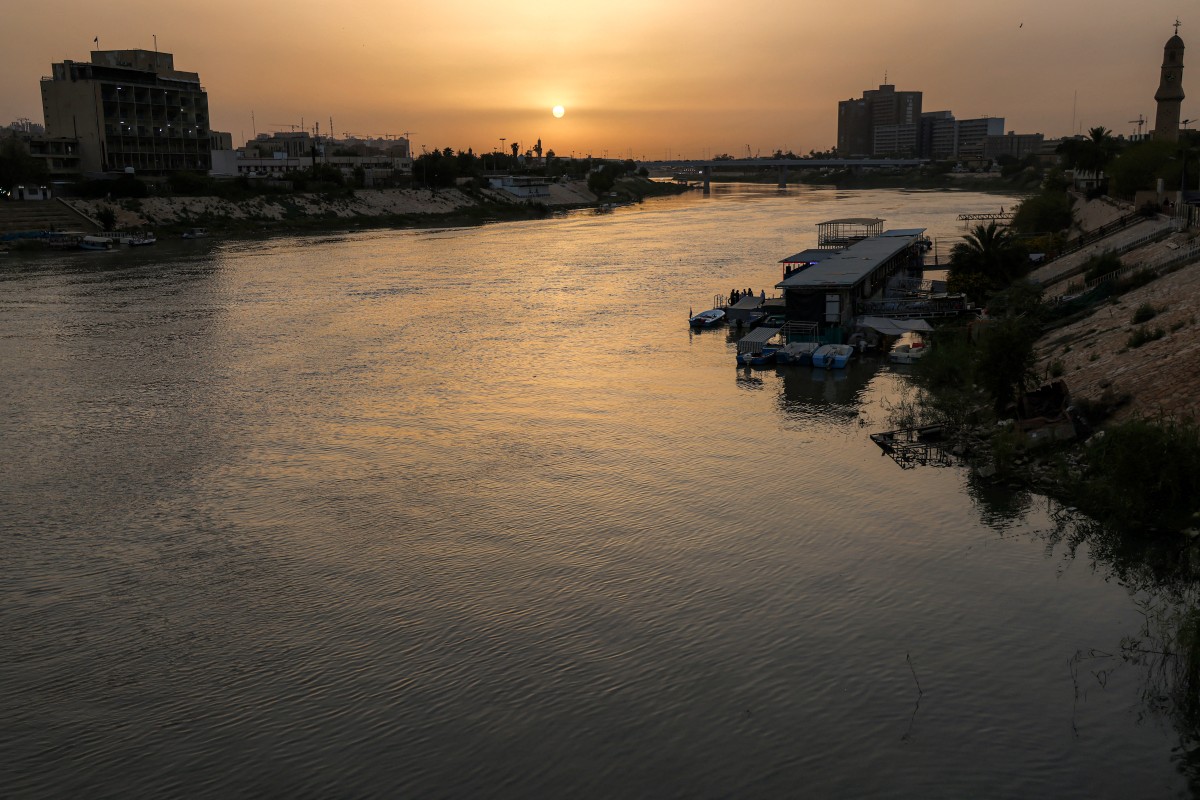
The newly implemented framework replaces rigid historical quotas with a responsive allocation model. By factoring in real-time seasonal variations and precise domestic usage metrics supplied by Baghdad, the mechanism seeks to optimize flow management along the Tigris and Euphrates basins.
Turkish Investment and Water Infrastructure
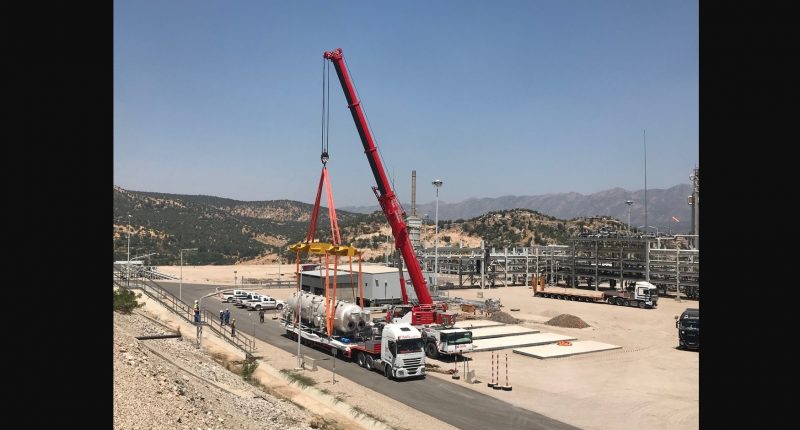
To counter decades of resource waste caused by aging networks, the pact invites Turkish companies to spearhead infrastructural overhauls. Turkey will oversee the rehabilitation and operation of key dams and irrigation projects for five years before transitioning full management back to Iraqi authorities, with project costs underwritten by oil revenues.
FYI
This agreement unfolds as Iraq navigates one of its harshest multi-year droughts on record, with internal reservoirs dropping to critical lows. By bridging transboundary water security with broader economic and energy partnerships, Baghdad aims to transform a historical source of geopolitical tension into a collaborative model for regional climate resilience.
Dive Deeper: Handpicked Stories for You
Follow Channel8 for continuous updates:
Iraqi Premier Al-Zaidi To Discuss Water And Energy In Turkey
Iraq-Turkey Water Deal Sparks Debate Over Missed Opportunities and Rising Costs