Iraq-Turkey Water Deal Sparks Debate Over Missed Opportunities and Rising Costs
A newly signed water agreement between Iraq and Turkey, intended to alleviate Iraq’s deepening water crisis, has stirred controversy over its economic and political implications. Iraqi economist Ziad al-Hashemi criticized the deal on Monday, calling it “a much more expensive arrangement” than what could have been achieved years ago.
In a post on X, al-Hashemi lamented that previous Iraqi governments had failed to capitalize on chances to forge “mutually beneficial” water-sharing agreements with Turkey. He revealed that between 2009 and 2010, Iraqi officials had reached a preliminary understanding with Turkish President Recep Tayyip Erdogan. The proposed deal would have guaranteed increased water flows into Iraq in exchange for joint economic ventures.
According to al-Hashemi, the draft agreement included provisions for Turkish agricultural firms to operate in Iraq’s central and southern regions, aiming to rehabilitate farmland and modernize irrigation systems. The benefits, he said, would have extended beyond water access: “Increased agricultural output, job creation, training for young workers, and additional revenue for the state treasury” were all on the table.
However, the deal was ultimately rejected. “The Iraqi prime minister at the time,” al-Hashemi said, referring to Nouri al-Maliki, “declined the deal, viewing it as a potential political achievement for a rival faction ahead of the 2010 elections.” He described the decision as a “lost golden opportunity.”
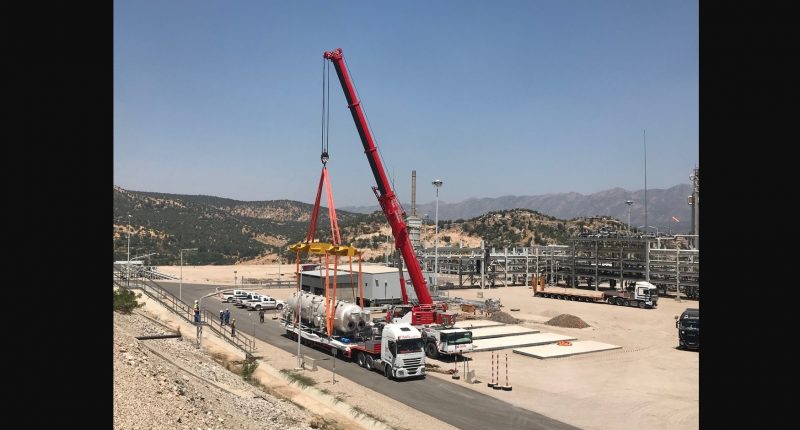
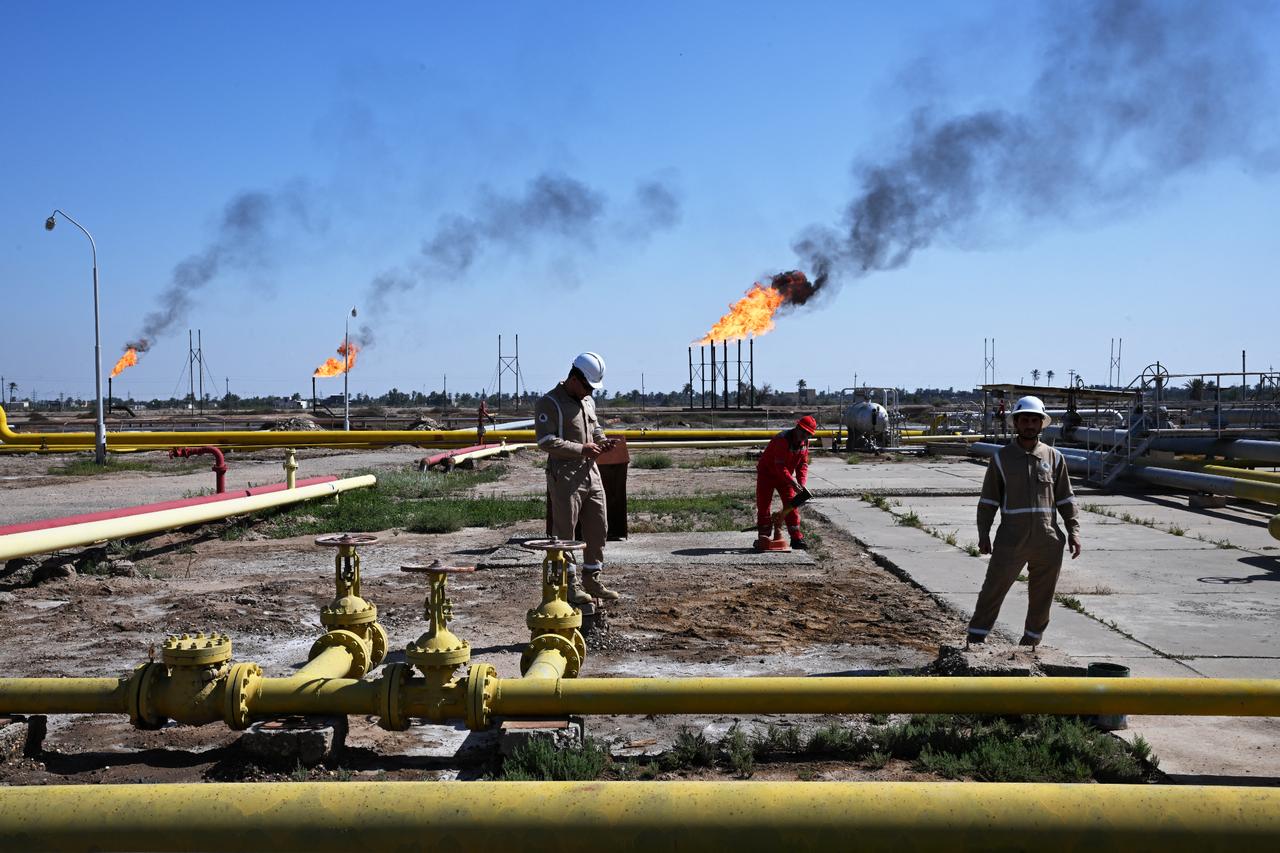
Now, Iraq finds itself bound to a more complex and costly agreement. The current deal reportedly includes trade, oil, and debt arrangements designed to incentivize Turkey to release more water. A source familiar with the agreement stated that Turkey will oversee water releases and manage dam and infrastructure operations for five years before handing control back to Iraq. All technical and logistical aspects of dam construction will also be handled exclusively by Turkish authorities.
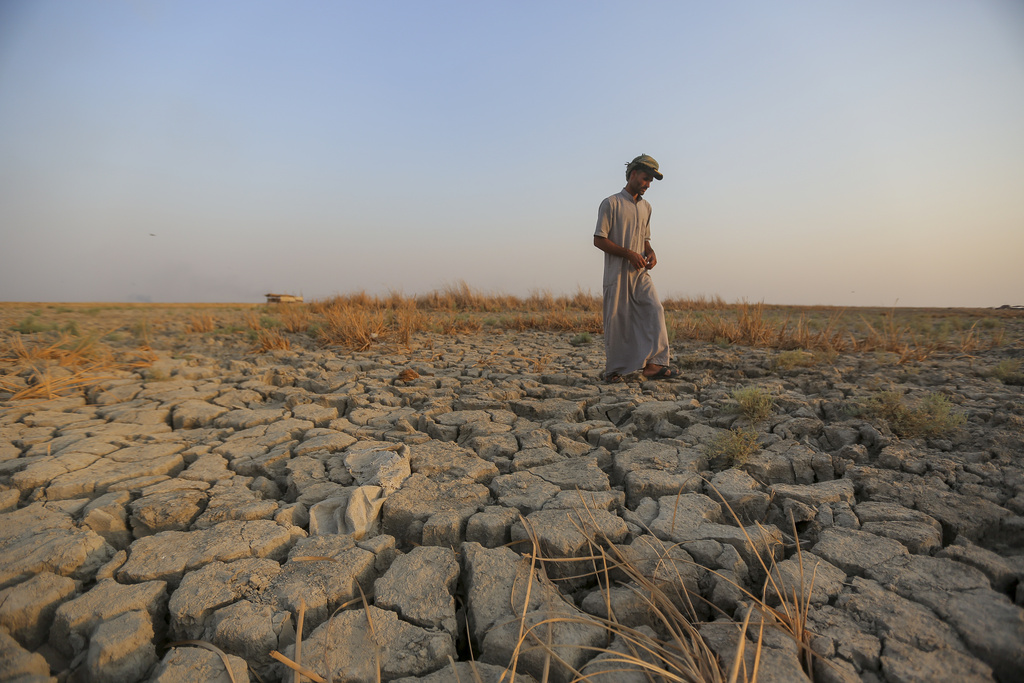
The agreement comes amid dire warnings from Iraqi officials. The country could lose up to 20% of its water resources by 2035 due to climate change, upstream dam projects, and aging infrastructure. A 2024 report from the Iraqi Ministry of Water Resources blamed the crisis largely on reduced inflows from Turkey. While Mosul Dam is expected to release 350 cubic meters per second, current flows have dropped to 210 — with only 130 cubic meters coming from across the border.