Nepal Reaches Out for Global Aid Following Devastating Floods
At a Glance:
- Foreign Minister Shisir Khanal warned that long-term recovery efforts following the border glacial collapse will require billions of dollars.
- The Nepalese government is preparing formal loss-and-damage assessments while actively reaching out to international partners for technical and financial aid.
- The confirmed death toll in Nepal has climbed past 620, with over 2,400 people still unaccounted for alongside heavy damage to hydroelectric plants, bridges, and roads.
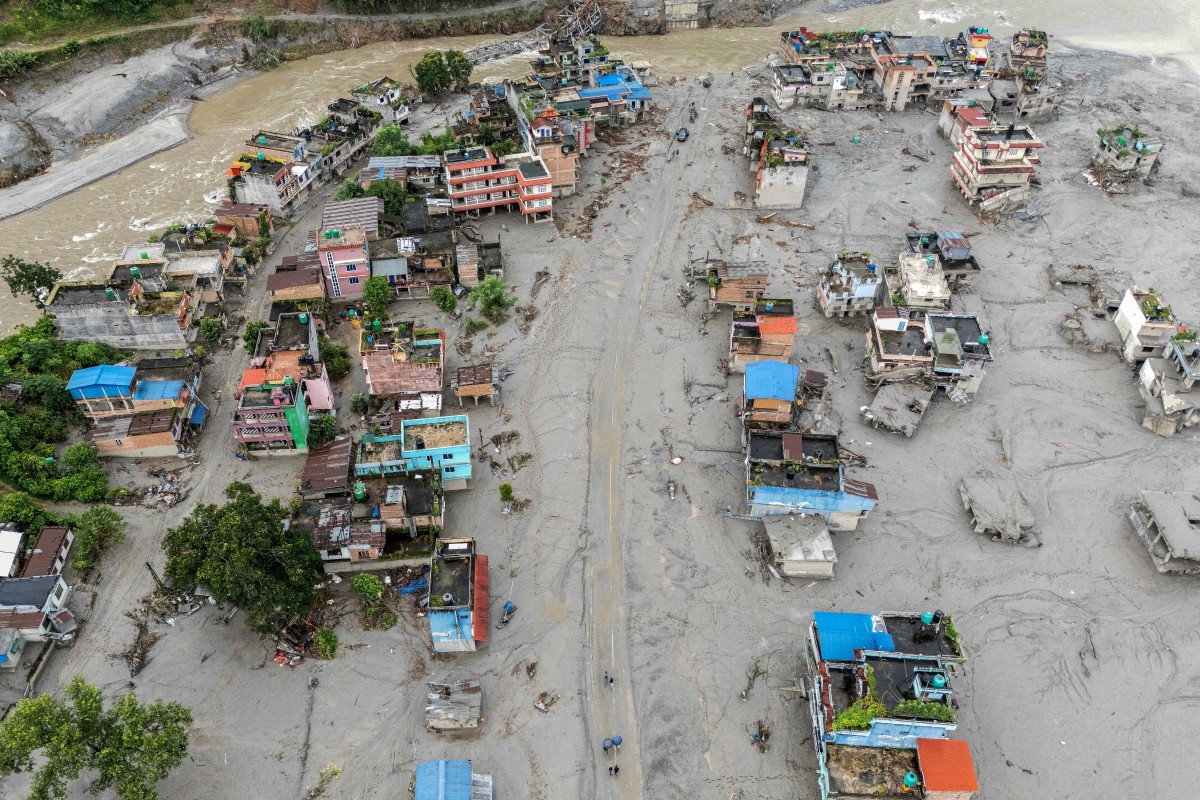
Nepal Foreign Minister Shisir Khanal confirmed that post-flood reconstruction and rehabilitation will cost "billions of dollars" following a catastrophic glacial collapse along the northern border with Tibet. Speaking to reporters in Kathmandu, Khanal stressed that while immediate focus remains on life-saving search and rescue, the sheer destruction of critical infrastructure will require sustained international intervention.
Key Statements:
"The reconstruction and rehabilitation would entail perhaps billions of dollars. We will do loss and damage research and then we plan, but I am reaching out to our international community for support." — Shisir Khanal, Foreign Minister of Nepal.
"The urgency right now is on rescue and saving lives as much as we can, but the scale of the disaster is stretching our capacity." — Shisir Khanal, Foreign Minister of Nepal.
Immense Economic and Infrastructure Damage
Preliminary estimates from Nepal's Finance Ministry suggest the total cost to rebuild destroyed transport links, schools, hospitals, and energy assets could reach between $4 billion and $5 billion. The torrent of ice, water, and mountain debris obliterated nearly two dozen bridges, damaged several major hydroelectric projects along the Bhote Koshi and Trishuli rivers, and severed crucial trade routes with China.
International Assistance and Technical Requests
Given the complex high-altitude terrain and the nature of the destruction, Kathmandu has formally requested specialized aid from international partners. This includes technical support for complicated tunnel rescues at inundated power stations, DNA matching and body identification assistance, cold storage facilities for overwhelmed mortuaries, and temporary bailey bridges from neighboring India and China to reopen isolated mountain corridors.
FYI
The multi-billion-dollar price tag underscores how climate-induced disasters can abruptly derail a developing nation's economic trajectory. For Nepal, managing immediate disaster relief while securing foreign financial commitments mirrors the immense challenge it faced following the 2015 earthquake, highlighting the urgent need for resilient infrastructure amid escalating Himalayan environmental risks.
Dive Deeper: Handpicked Stories for You
Follow Channel8 for continuous updates:
Over 550 Dead Following Catastrophic Nepal-Tibet Glacial Collapse


.jpg)
.jpg)
.jpg)
.jpg)