PM Al-Zaidi Orders Immediate Launch of Strategic Oil Pipelines
At a Glance
- The Iraqi Prime Minister ordered the instant startup of the strategic dual pipeline network.
- The overland corridors are engineered to export 2.25 million barrels per day.
- The project secures alternative routes to bypass shipping risks in the Strait of Hormuz.
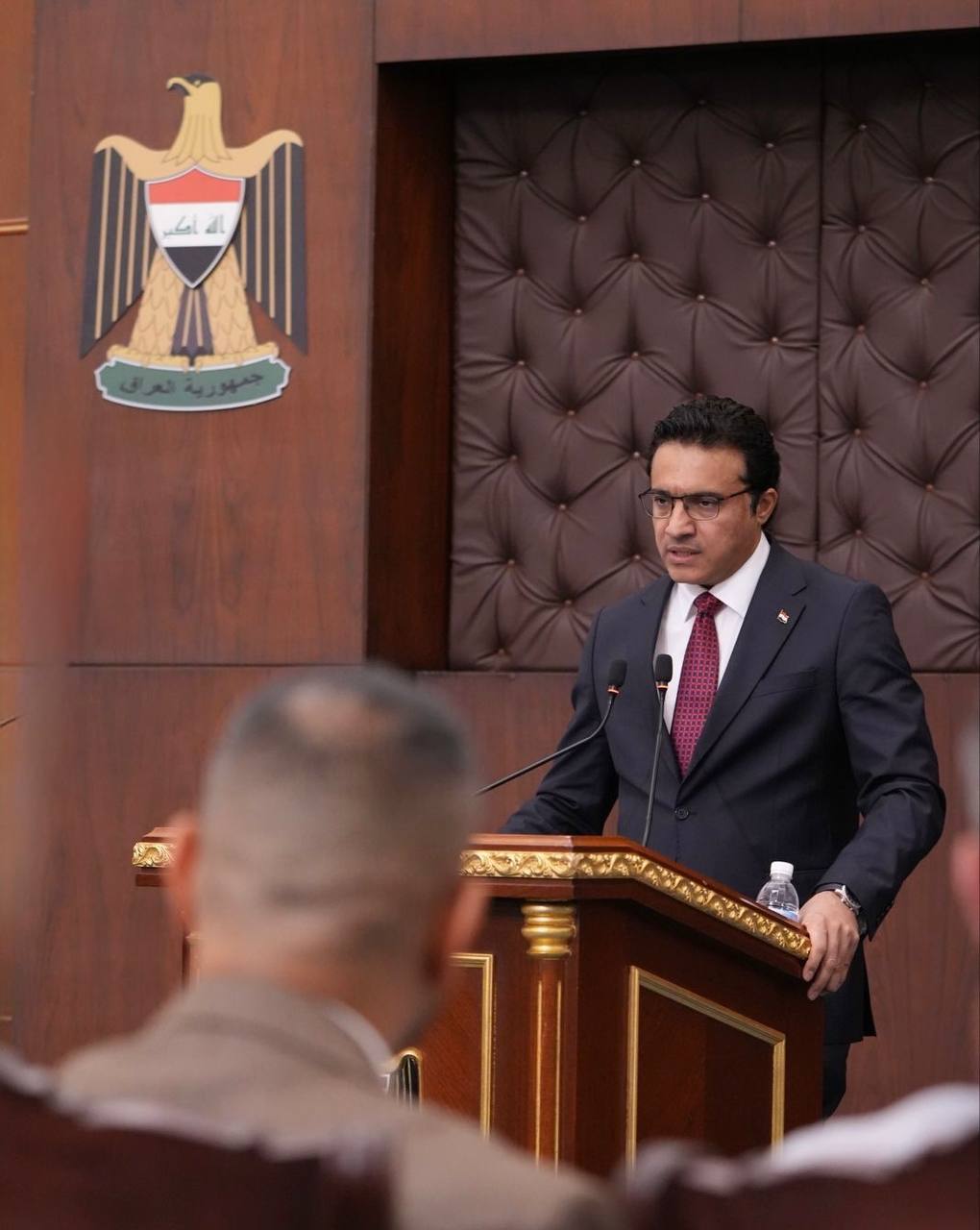
Iraqi Prime Minister Ali Faleh al-Zaidi ordered the immediate launch of the Basra–Haditha–Pishkhabur and Haditha–Baniyas strategic oil pipeline projects to diversify Iraq's export routes and boost national capacity.
Key Statement and Focus Area
- The Iraqi Prime Minister's Media Office stated that al-Zaidi “reviewed the technical and economic details of the project and its long-term development impact, as well as the export routes and the quantities of oil expected to be exported through the two pipelines.”
- The Basra–Haditha–Pishkhabur and Haditha–Baniyas project is a massive, multi-billion-dollar dual oil pipeline network designed to completely transform Iraq's energy infrastructure by creating strategic northern and western overland export routes.
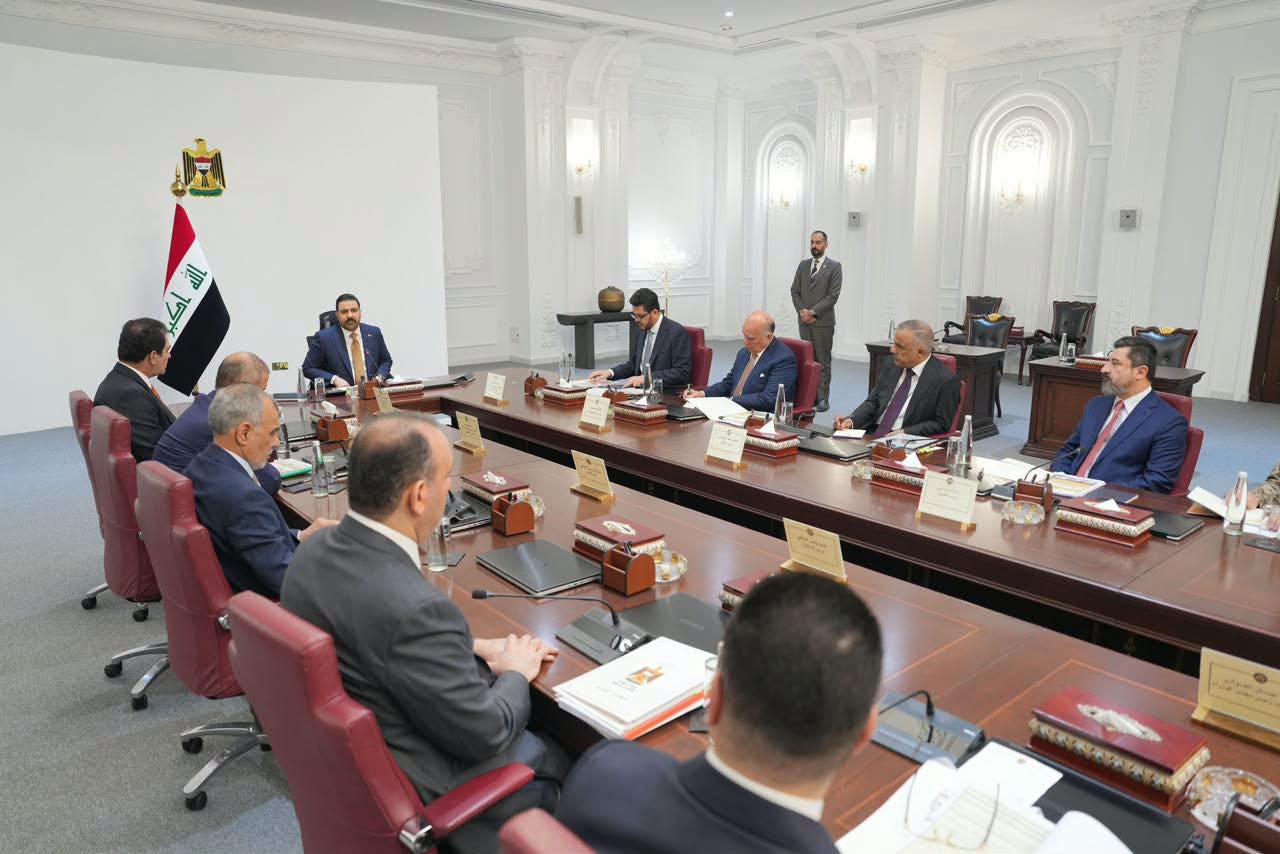
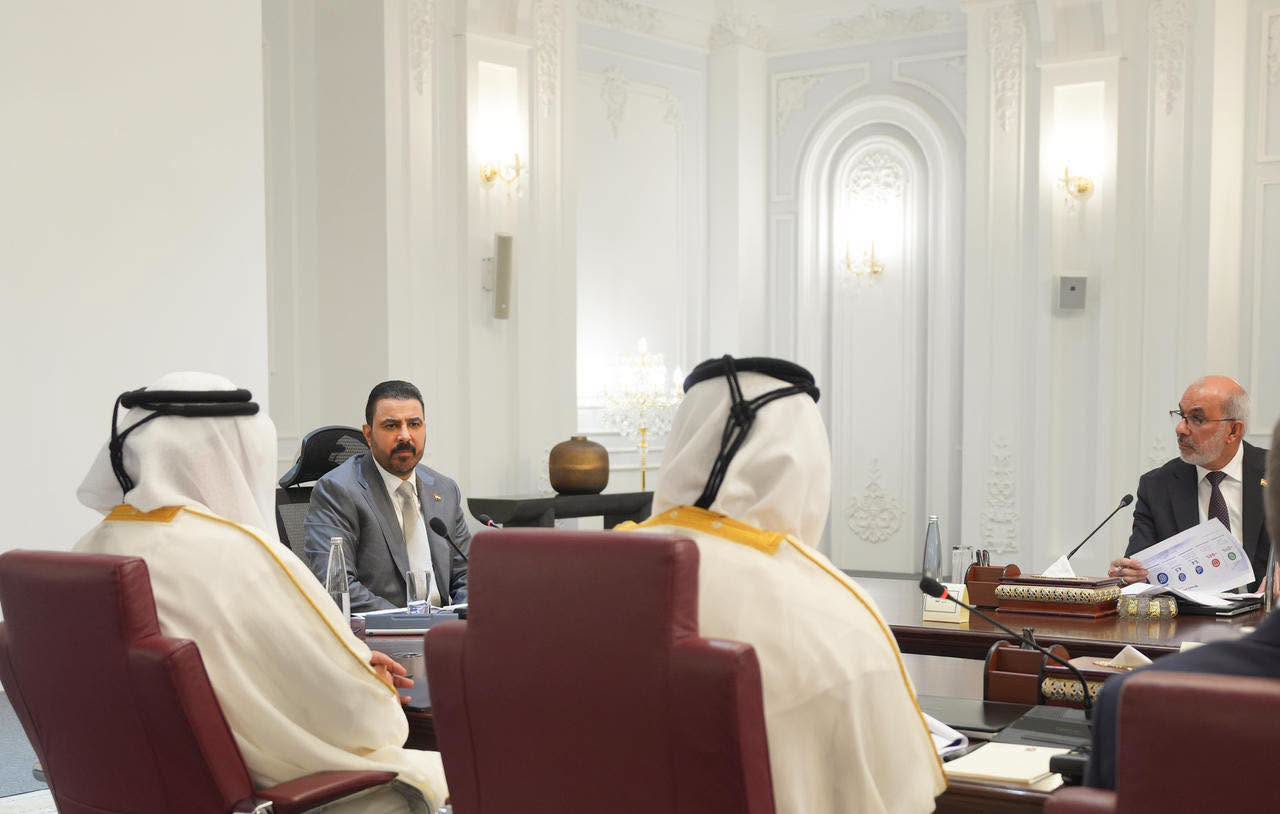
Prime Minister chaired a joint meeting on Saturday attended by the Minister of Oil, senior ministry officials, the Prime Minister’s Chief of Staff, and representatives from the international consortium executing the project.
Al-Zaidi directed that implementation of the strategic pipeline project begin "without delay," instructing the Ministry of Oil to ensure all optimal conditions and requirements are met for the executing international consortium.
The directive emphasizes finalizing the infrastructure corridor in accordance with the "highest standards" to secure Iraq's long-term energy export diversification.
He stressed that the crude oil export pipeline is a vital strategic asset for Iraq, designed to diversify shipping routes, boost export capacity, and secure the nation’s long-term economic and developmental interests.
Oil Minister Basam Mohammed Khudair al-Abadi chaired an expanded meeting today to accelerate the strategic 2.25 million-barrel-per-day pipeline network project designed to diversify the nation's crude export routes.
The ministry evaluated implementation plans from an international consortium comprising Chevron, TI Capital, and Qatar’s UCC, with the minister directing expedited technical and commercial negotiations to finalize the contract.
FYI
Prime Minister Ali Faleh al-Zaidi's directive comes as Iraq seeks to aggressively reduce its near-total reliance on its southern Persian Gulf ports, which leave the country highly vulnerable to regional maritime blockades or geopolitical instability in the Strait of Hormuz.
By developing overland corridors through the north and west, the mega-project establishes critical security buffers for the county’s energy supply lines.
The Haditha–Baniyas connection gained immense traction following a U.S.-sponsored Memorandum of Understanding (MOU) signed directly between Iraq and Syria.
This bilateral framework reactivates the transit rights needed to cross Syrian territory, with Syrian energy authorities stating that restoring the pipeline to the Mediterranean coast will take three years at most once final contracts launch.
Dive Deeper: Handpicked Stories for You
Follow Channel8 for continuous updates:
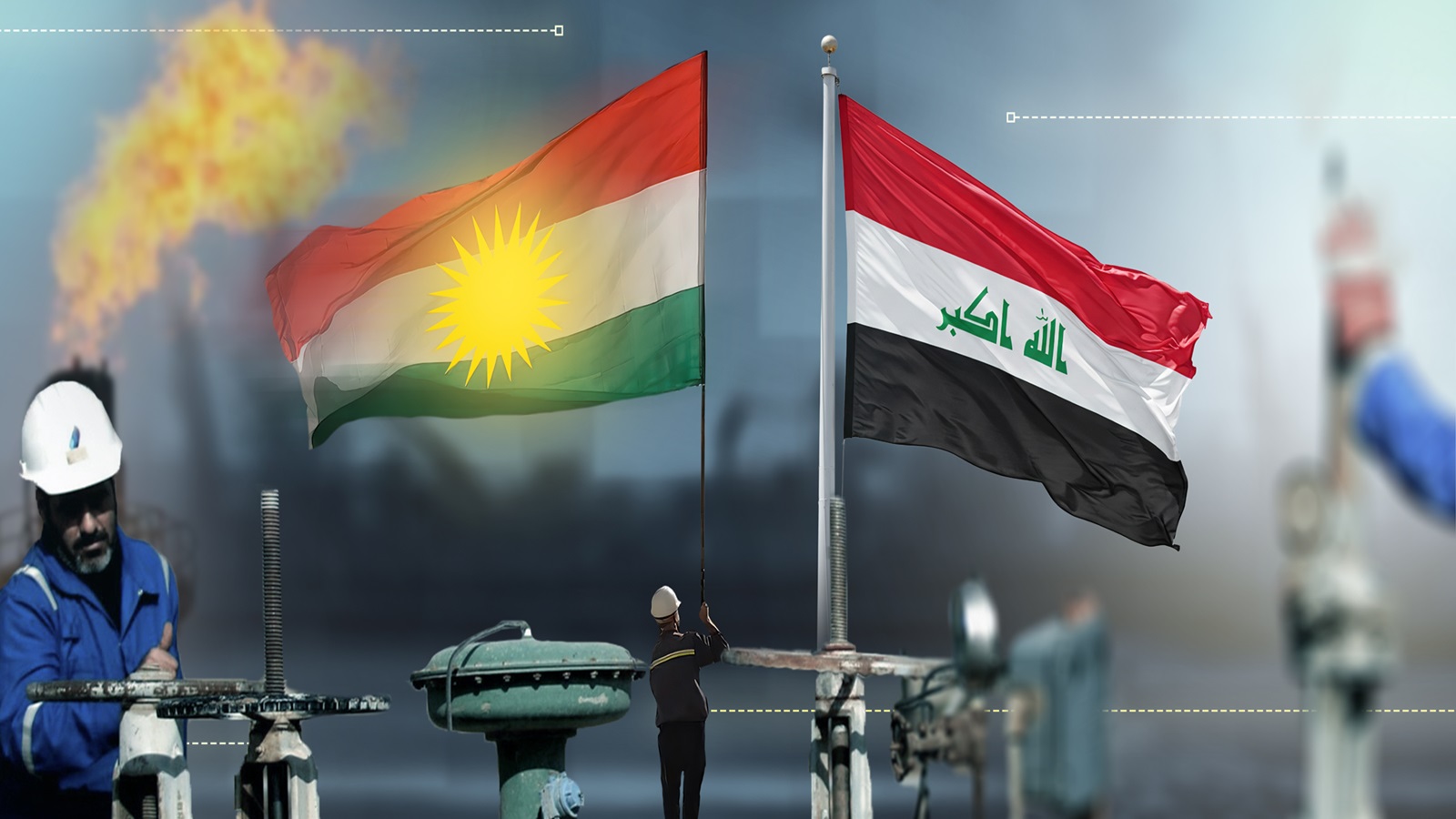
Kurdistan Region Oil Output Normalizes to 220,000 BPD