Baghdad Demands Rapid ASYCUDA Customs Rollout In Kurdistan
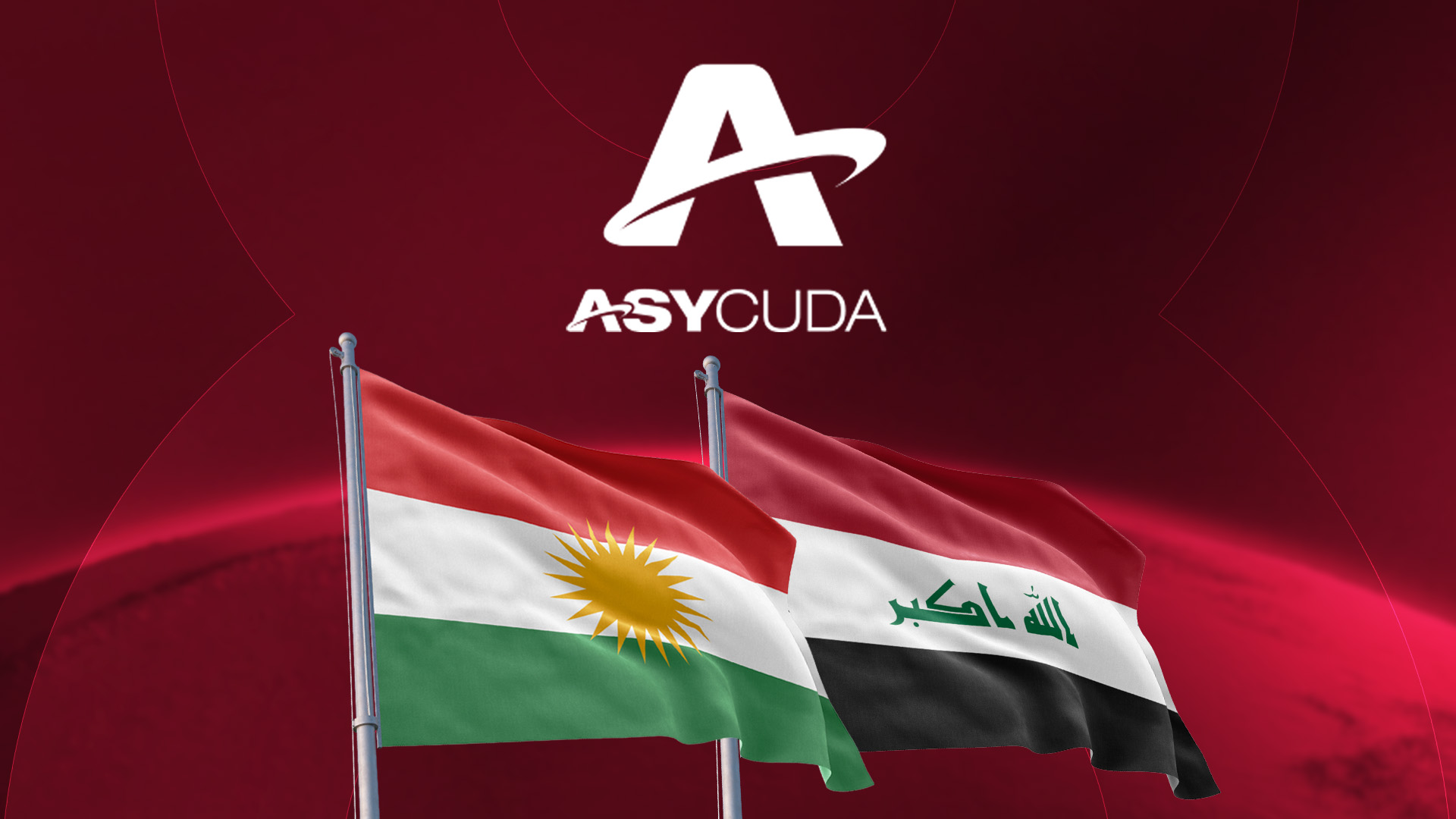
At a Glance:
- Finance Minister Faleh al-Sari issued an operational directive enforcing advance tax collection on monetary wire transfers starting October 1.
- Baghdad requested immediate completion of technical readiness to implement the automated ASYCUDA customs system across all Kurdistan Region border crossings.
- The measure aims to curb smuggling, eliminate document tampering, and unify non-oil customs revenue collection across Iraq.
- Deploying ASYCUDA enables real-time, transparent data exchange between federal and KRG financial authorities.
Iraqi Minister of Finance Faleh al-Sari has issued directives ordering advance tax collection on money transfers starting October 1, while intensifying pressure on the Kurdistan Regional Government (KRG) to deploy the automated ASYCUDA customs system across its border points. The dual measures aim to digitize customs clearance, control non-oil revenues, and unify trade oversight between Baghdad and Erbil.
Key Statements and Focus Area:
- Faleh al-Sari, Iraqi Minister of Finance:
"Digitizing customs operations via ASYCUDA across all border crossings is a strategic mandate to ensure transparency, combat financial evasion, and secure state entitlements across the national economy."
Customs Digitization and Financial Orders
| Directive / Metric | Implementation Target / Detail | Primary Objective |
| Wire Transfer Tax | Effective October 1, 2026 | Advance tax collection on financial transfers |
| Target Infrastructure | KRG Border Crossings & Customs Outlets | Full deployment of ASYCUDA automated system |
| Data Synchronization | Real-time digital link (Baghdad–Erbil) | Prevent tariff document tampering & fraud |
| Fiscal Goal | Maximizing non-oil national revenues | Standardizing customs procedures nationwide |
ASYCUDA Rollout and Financial Directives
The Ministry of Finance directive sets an operational deadline for advance tax withholding on foreign currency transfers beginning October 1. Concurrently, Minister Faleh al-Sari urged KRG technical authorities to finalize administrative integration for the UNCTAD-developed ASYCUDA system across northern land borders and airports. Baghdad maintains that paper-based customs processing in the Region creates vulnerabilities for tariff evasion and document forgery.
Revenue Transparency and Intergovernmental Impact
Connecting KRG customs checkpoints to the central ASYCUDA database will give the Federal Ministry of Finance real-time visibility into import volumes and revenue collection. The automated framework calculates tariffs, generates verified digital clearance codes, and standardizes trade compliance, establishing a unified customs calendar across both federal and regional domains.
FYI
Imposing digital customs tracking and advance transfer taxes reflects Baghdad's strategy to capture non-oil revenues and centralize financial control amid broader fiscal pressures. Accelerating ASYCUDA integration in the Kurdistan Region limits discretionary border tariffs, pushing Erbil into an integrated national customs framework.
Dive Deeper: Handpicked Stories for You
Follow Channel8 for continuous updates:
Iraq Approves ASYCUDA-Based Advance Customs Tax Collection From October
Kurdistan Overhauls Trade Finance System Amid ASYCUDA Rollout
03/09/2026