Iraq Approves ASYCUDA-Based Advance Customs Tax Collection From October
At a Glance
- New customs payment rules approved
- ASYCUDA required for import payments
- Advance duties begin October 1
- Revenues transferred within 15 days
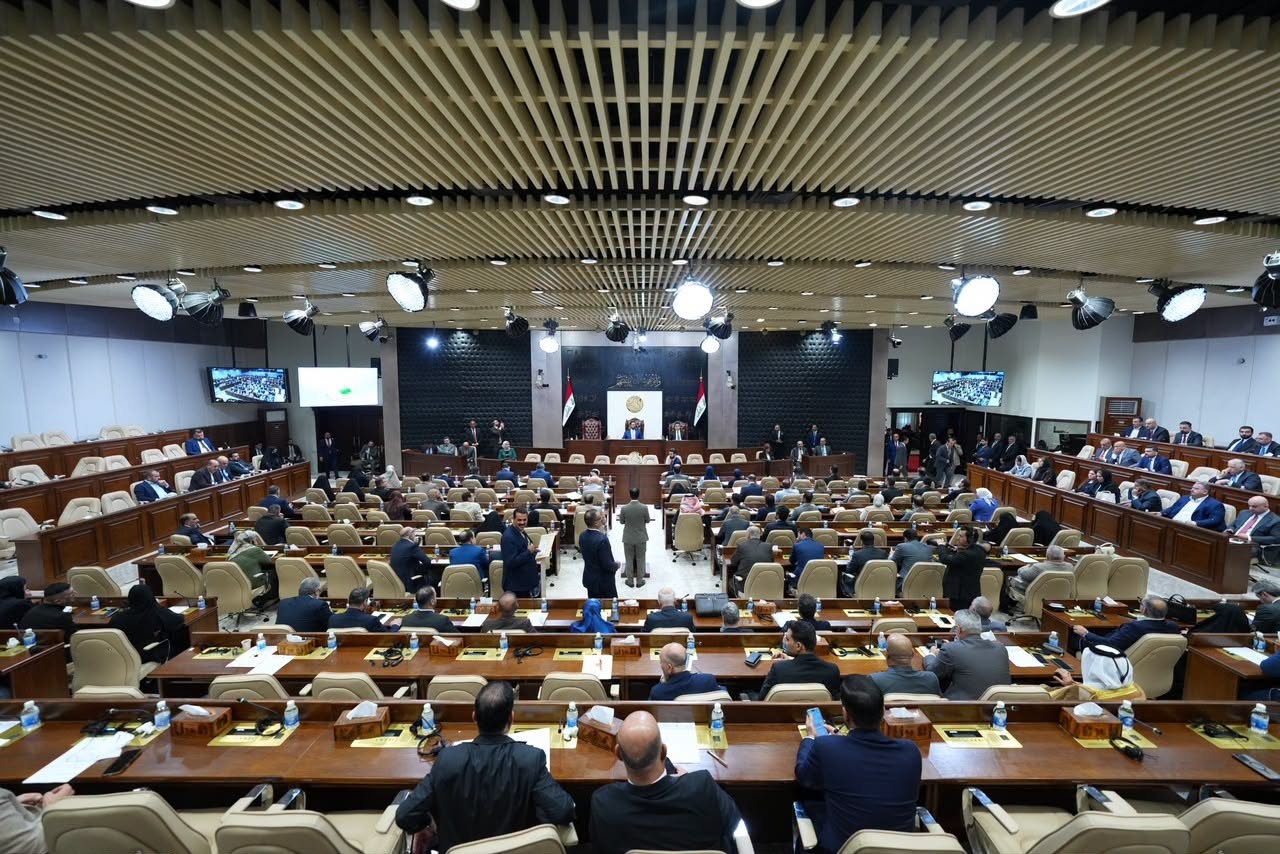
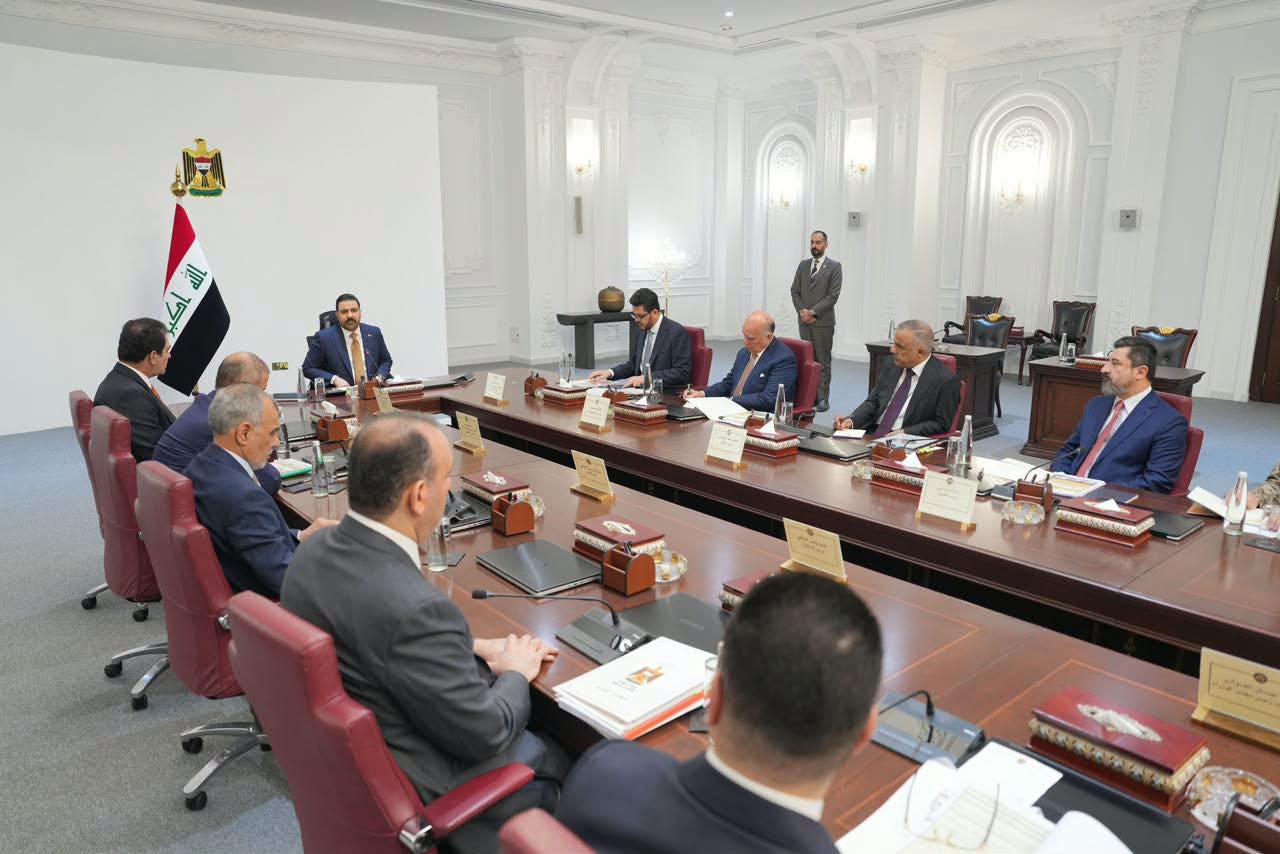
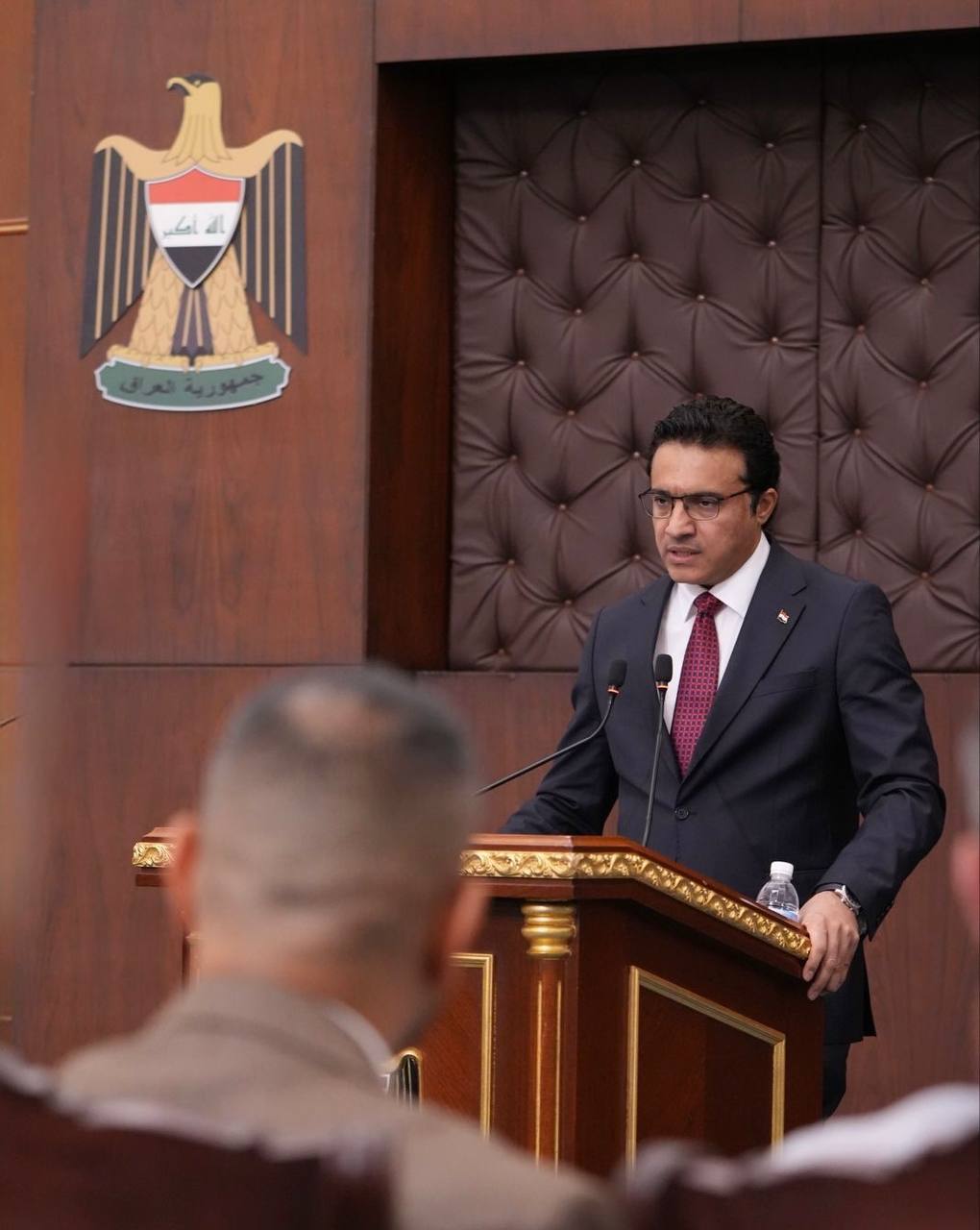
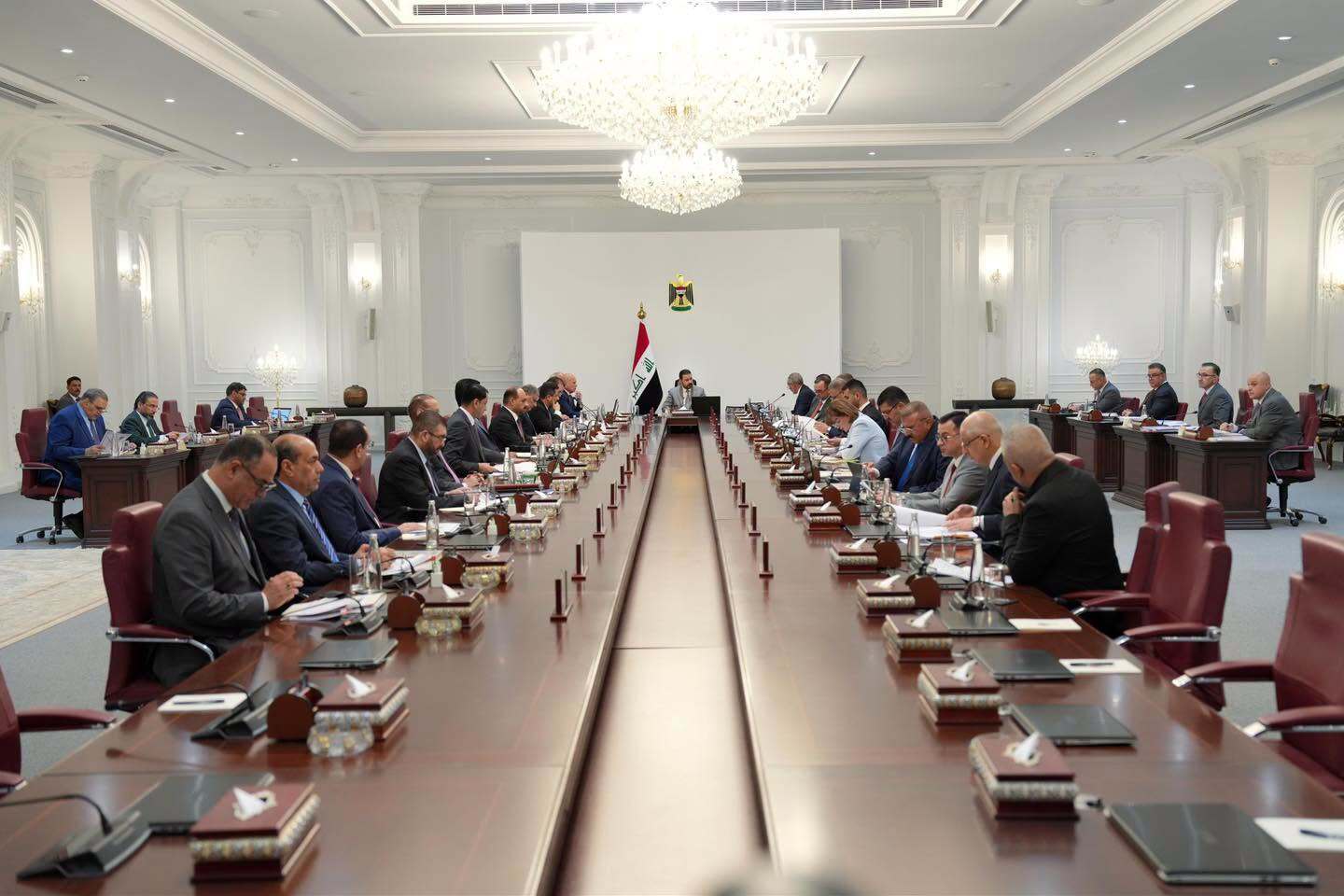
Iraqi Prime Minister Ali Faleh al-Zaidi chaired the 15th regular session of the Council of Representatives, where members reviewed national developments and approved measures affecting customs payments and import procedures.
Key Statements and Focus Area
- The Council has endorsed the advance collection of estimated customs duties and tax deposits on imported goods, with implementation scheduled to begin on October 1, 2026.
- Importers must deposit import funds in licensed banks, and payments will be blocked until estimated customs duties and taxes are paid via ASYCUDA.
- All collected revenues will be transferred to the Public Treasury and Ministry of Finance accounts within 15 days.
Estimated customs duties and tax deposits will be determined based on preliminary information submitted by importers.
This includes the commercial invoice, shipping or import documents, customs classification, type and origin of goods, and their declared value in accordance with approved customs tariff schedules.
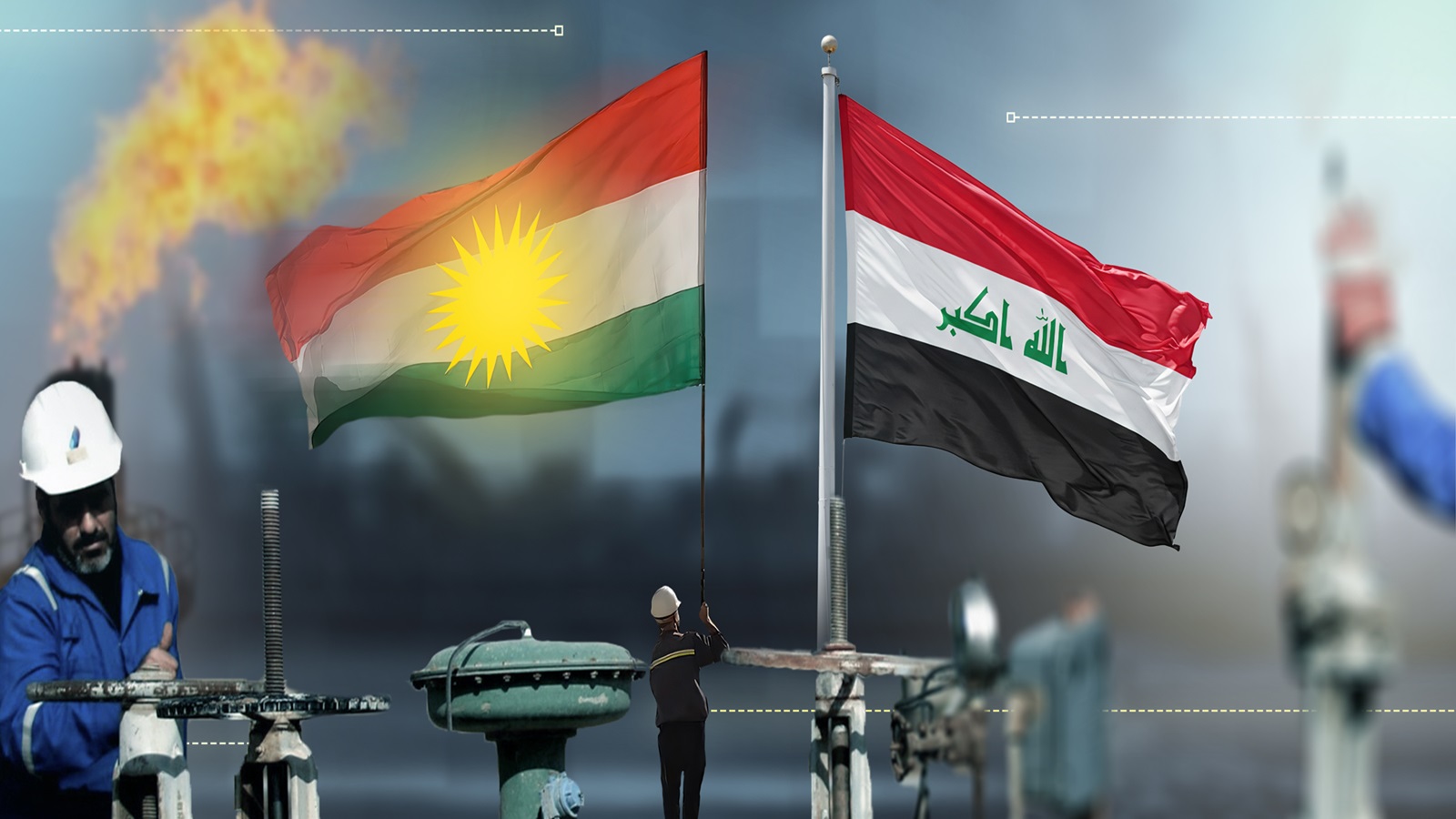
Monthly customs revenues in the Kurdistan Region currently remain below 100 billion Iraqi dinars.
The ongoing war involving Iran has reduced revenues at the Bashmakh, Haji Omaran, and Parvez Khan border crossings, while the gap between market and official bank exchange rates for the US dollar has negatively affected revenues at the Ibrahim Khalil border crossing.
FYI
Iraq began fully operating the ASYCUDA electronic customs system at its federal border crossings in January 2026. The Kurdistan Region is scheduled to join the system as part of ongoing efforts to integrate customs procedures.
Erbil and Baghdad held several months of intensive negotiations before reaching a draft breakthrough on the integration process. The Kurdistan Region currently uses 14,000 customs tariff classifications, which are expected to be restructured under ASYCUDA to align with international standards.
Dive Deeper: Handpicked Stories for You
Follow Channel8 for continuous updates:
Kurdistan Overhauls Trade Finance System Amid ASYCUDA Rollout