Kurdistan Border Crossings Set for ASYCUDA System
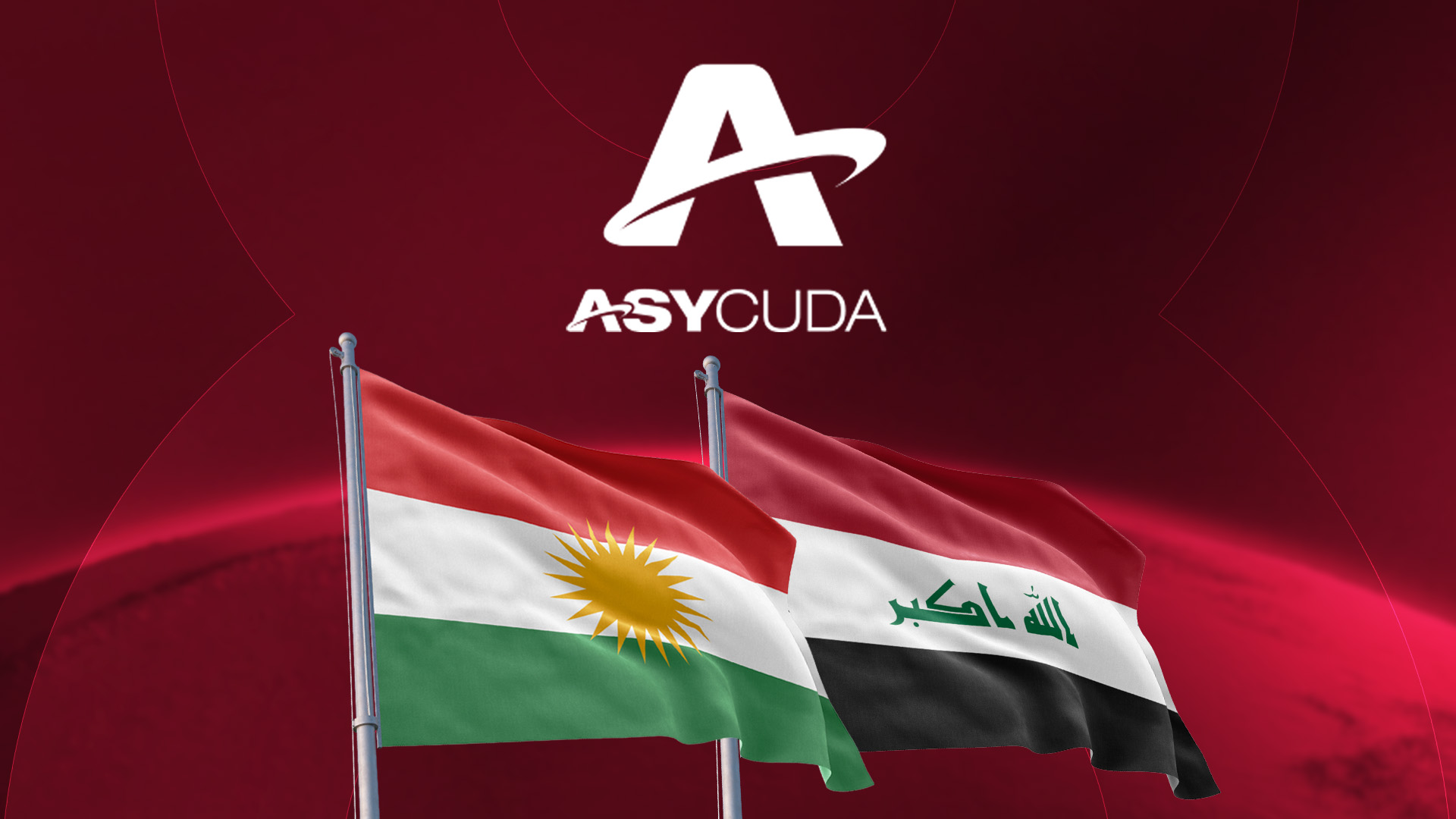
At a Glance
- Digital customs system starts October 1
- 50% of revenues to Baghdad
- Unofficial crossings to be closed
- New transfer tax rules begin September
Information obtained by Channel8 indicates that a new system will reshape customs operations and revenue collection at the Kurdistan Region’s border crossings, with implementation beginning in the coming months.
Key Statements and Focus Area
- Samer Qasim Daoud, Director General of the Iraqi Customs Authority: “The electronic link project” will officially enter into force in October.
- On unofficial crossings: “A formal protocol has been signed to completely close all unofficial border points” in the Kurdistan Region.
- On ASYCUDA: “50% of the region’s customs revenues will be deposited directly into the federal state treasury.”
- On implementation: The final executive roadmap will be approved at the next Council of Ministers meeting and is scheduled to cover all border crossings by the end of the year.
The project to electronically link and digitalize the Kurdistan Region’s border crossings is scheduled to officially begin on October 1.
Information obtained by Channel8 indicates that the crossings will be placed under the international ASYCUDA electronic customs system, replacing existing manual procedures for customs revenue collection.
The system is expected to connect the Region’s border crossings with federal authorities and introduce a unified framework for monitoring customs operations and revenues.
Under the new agreement, 50% of customs revenues generated at the Kurdistan Region’s border crossings will be deposited into the federal state treasury.
The revenue-sharing mechanism will operate through the new electronic customs system, allowing customs collections to be monitored and transferred through the agreed framework.
The final executive roadmap is expected to be approved during the next meeting of the Iraqi Council of Ministers. The plan is scheduled to extend to all border crossings by the end of the year.
A formal protocol has also been signed for the permanent closure of unofficial border crossings in the Kurdistan Region.
The measure is part of the wider restructuring of customs operations and aims to bring border activity under the official system.
Separately, new financial regulations are scheduled to take effect in early September.
Under an order issued by Iraqi Prime Minister Ali Faleh al-Zaidi, customs duties and taxes will be deducted in advance from foreign financial transfers, including wire transfers.
The directive was formally circulated by Hamid al-Ghazzi, Secretary-General of the Council of Ministers.
According to the directive, the measure is intended to protect public funds, prevent the waste of state resources, improve the use of public finances, and regulate the movement of currency across Iraq’s borders.
FYI
The ASYCUDA (Automated System for Customs Data) system is a computerized customs management system developed by the United Nations Conference on Trade and Development (UNCTAD). It covers most foreign trade procedures, handles manifests and customs declarations, and computes duties and taxes while generating trade data statistics to improve fiscal governance.
Iraq began fully operating the ASYCUDA electronic system at its federal border crossings in January 2026, and the KRG is scheduled to join the process.
Erbil and Baghdad spent several months of intensive negotiations before achieving a draft breakthrough.
The Kurdistan Region currently utilizes 14,000 customs tariff classifications, which will be restructured under the ASYCUDA system to align precisely with international standards.
Dive Deeper: Handpicked Stories for You
Follow Channel8 for continuous updates:
Iraq Customs Revenues Hit Record 2.5 Trillion Dinars
ASYCUDA Implementation Minutes Finalized, Awaiting Cabinet Green Light
17/08/2026