KRG Education Ministry Reports 1.9 Million Total Enrolled Students
At a Glance:
- KRG Caretaker Minister of Education Alan Hama Said confirmed over 1.75 million students attend public schools, alongside 170,000 in private institutions.
- Between 150,000 and 165,000 new students register for the first grade of primary school each year, with enrollment currently underway.
- A total of 41,000 high school seniors passed their final exams, while nearly 30,000 failed due to voluntary non-attendance in the second-round tests.
- The ministry completed 32 new school buildings for the current academic year to address regional facility shortages.
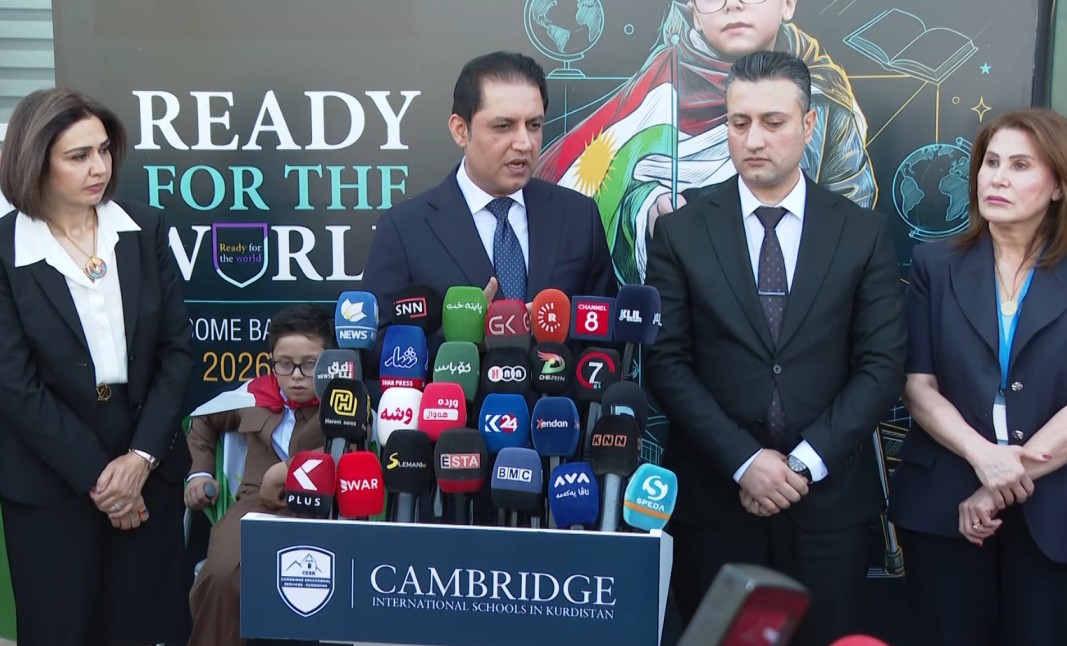
Over 1.9 million primary and secondary students are enrolled across public and private educational institutions in the Kurdistan Region for the current academic year, according to figures released by KRG Caretaker Minister of Education Alan Hama Said. Speaking at a press conference on Sunday, the minister outlined student performance data, ongoing registration metrics, and emergency staffing measures designed to address teaching shortages across regional directorates.
Key Statements and Focus Area:
- Alan Hama Said (KRG Caretaker Minister of Education):
"Over 1.75 million students are studying in public schools alongside 170,000 in private institutions. Students who voluntarily opted out of sitting for second-round exams are marked as failing and will repeat the grade; their marks will not be considered for Zankoline higher education submissions."
Core Educational Metrics and Infrastructure Development
| Metric / Category | Official Figures | Operational Context |
| Public School Enrollment | 1,750,000+ | Core state-funded primary and secondary education system. |
| Private School Enrollment | 170,000 | Private and international curriculum institutions. |
| Annual First-Grade Admissions | 150,000 – 165,000 | Ongoing registration process for entry-level primary students. |
| 12th-Grade Pass Rate | 41,000 Passed | Compares to 52,000 passes last year and 38,000 the prior year. |
| Non-Attendance Failures | ~30,000 Students | Voluntary second-round opt-outs; ineligible for Zankoline. |
| New Infrastructure | 32 School Buildings | Newly constructed facilities opened for current academic term. |
Exam Outcomes and Higher Education Ineligibility
Addressing 12th-grade academic performance, the minister clarified that 41,000 students passed their final national examinations across both public and private sectors—a pass rate characterized by the ministry as within normal historical parameters. However, nearly 30,000 students chose not to attend the second-round examination session, primarily driven by core requirements in English and other mandatory subjects. Under official KRG education guidelines, these students are registered as non-passing grade repeaters and remain disqualified from submitting scores to the Zankoline university admissions system for the upcoming academic cycle.
Staffing Reorganization and Infrastructure Push
To manage operational needs across regional schools, the Ministry of Education confirmed that 98 percent of education directorates have submitted complete staffing reorganization audits. To compensate for temporary staffing fluctuations caused by maternity leave and authorized absences, the ministry will submit formal requests to the KRG Council of Ministers to secure approved contract replacement personnel wherever local shortages persist. Concurrently, 32 newly constructed school facilities have been brought online this term to alleviate overcrowding in high-density school districts.
FYI
By confirming strict higher education eligibility rules for non-attending exam takers, the Ministry of Education reinforces academic compliance while attempting to stabilize public school capacity. The addition of 32 new facilities provides critical physical relief, but long-term system stability will depend on whether the KRG Council of Ministers quickly approves contract funding to plug persistent teacher staffing gaps.
Dive Deeper: Handpicked Stories for You
Follow Channel8 for continuous updates:
KRG Education Minister Outlines Academic Year Preparations
KRG Ministry of Education Overhauls 110 Textbooks to Modernize Curriculum
Kurdistan Region Announces 20% Tuition Discount for Higher Education Students
.jpg)

.webp)