“Oil And Cargo Traffic Is Highest In Six Months,” CENTCOM Chief Says
AT A GLANCE
- US Central Command says more than one billion barrels of crude oil have passed through the Strait of Hormuz with US military support in recent months.
- CENTCOM commander Adm. Brad Cooper says US forces have assisted more than 2,000 commercial vessel transits through the strategic waterway.
- Cooper says primary transit lanes have been cleared of mines and remain open to commercial shipping.
- He says oil, cargo and LNG traffic over the past two weeks reached its highest level in six months.
US Central Command says American forces are working to keep the Strait of Hormuz open and secure, with CENTCOM commander Adm. Brad Cooper saying more than one billion barrels of crude oil have moved through the strategic waterway with US military support in recent months.
Cooper said US forces had also assisted more than 2,000 commercial vessels transiting the strait and that primary shipping lanes remained clear of mines.
KEY STATEMENTS
“Oil and cargo traffic over the past two weeks is the highest in the last six months,” Cooper said.
“We are working to form a new joint unit to counter-attack drones,” he said.
Cooper also said the United States was working with regional allies to strengthen their air defenses.
MARITIME ACTIVITY
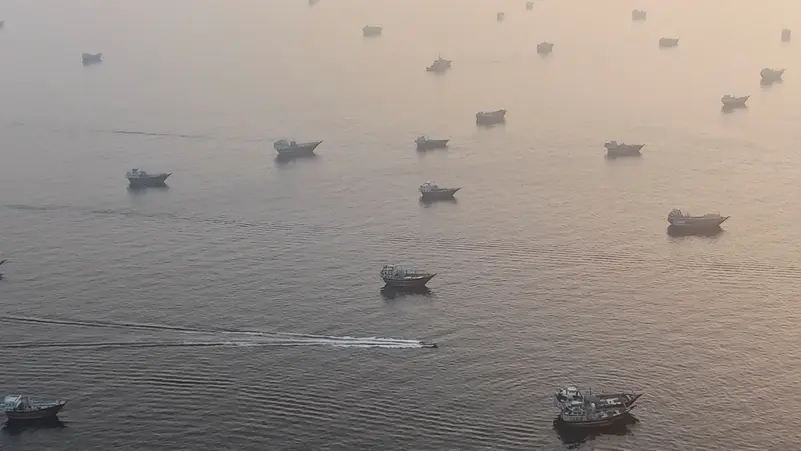
According to CENTCOM, more than one billion barrels of crude oil have exited the Gulf through the Strait of Hormuz with US military support over the past couple of months. The command says it has provided coordinated protection for more than 2,000 commercial vessel transits.
Cooper said the main transit lanes are clear of mines and that thousands of ships have passed through the waterway.
He also said Iran had exported no oil during the period, attributing that to what he described as a US “ironclad blockade.” That characterization is Cooper's and reflects the US military's description of its operations.
SHIPPING DATA
US claims of increased traffic come amid continuing disagreement over the level of commercial activity through Hormuz.
Reuters reported on September 18 that preliminary Kpler data showed only four commodity vessels transited the strait that day, compared with a 10-day average of 16.
Earlier reporting also found that independent shipping trackers recorded substantially fewer daily transits than figures cited by US officials. Analysts have noted that differences in counting methods, including vessels that may switch off tracking systems, can contribute to discrepancies between official and commercial estimates.
FYI
The Strait of Hormuz remains a critical energy corridor connecting the Persian Gulf with the Gulf of Oman and the wider Indian Ocean. US officials are presenting increased oil and commercial traffic as evidence that the waterway is functioning despite the continuing conflict, while shipping-data providers have reported traffic levels below pre-conflict norms.
The competing assessments make the scale of the reopening and the security situation in the strait an important indicator for global energy markets, Gulf security and the wider regional conflict.
Dive Deeper: Handpicked Stories for You
Follow Channel8 for continuous updates:
CENTCOM Chief Visits USS Lincoln Amid Prolonged Deployment
Iraqi Prime Minister Meets CENTCOM Chief Over Coalition Withdrawal
U.S. Airstrike in Syria Kills Senior ISIS Leader, CENTCOM Says
![Irani’s Araghchi, left, meets with Pakistan’s Munir in Islamabad, Pakistan, in April 2026 [File: Iranian Foreign Ministry/AP Photo]](https://media.channel8.com/english/wp-content/uploads/2026/05/AP26115285212508-1777383639.webp)
.jpg)