Iraq Presidencies Assert State Weapon Monopoly Amid Regional Crises
At a Glance
- Top leaders declared that decisions on peace, war, and weapons must remain exclusively under state control.
- The summit precedes the September 30 deadline marking the formal conclusion of the International Coalition's mission.
- The presidencies finalized nationwide arrangements to celebrate the completion of the foreign military drawdown.
- The leadership backed a formal request to exempt Najaf Airport from U.S. Treasury restrictions.
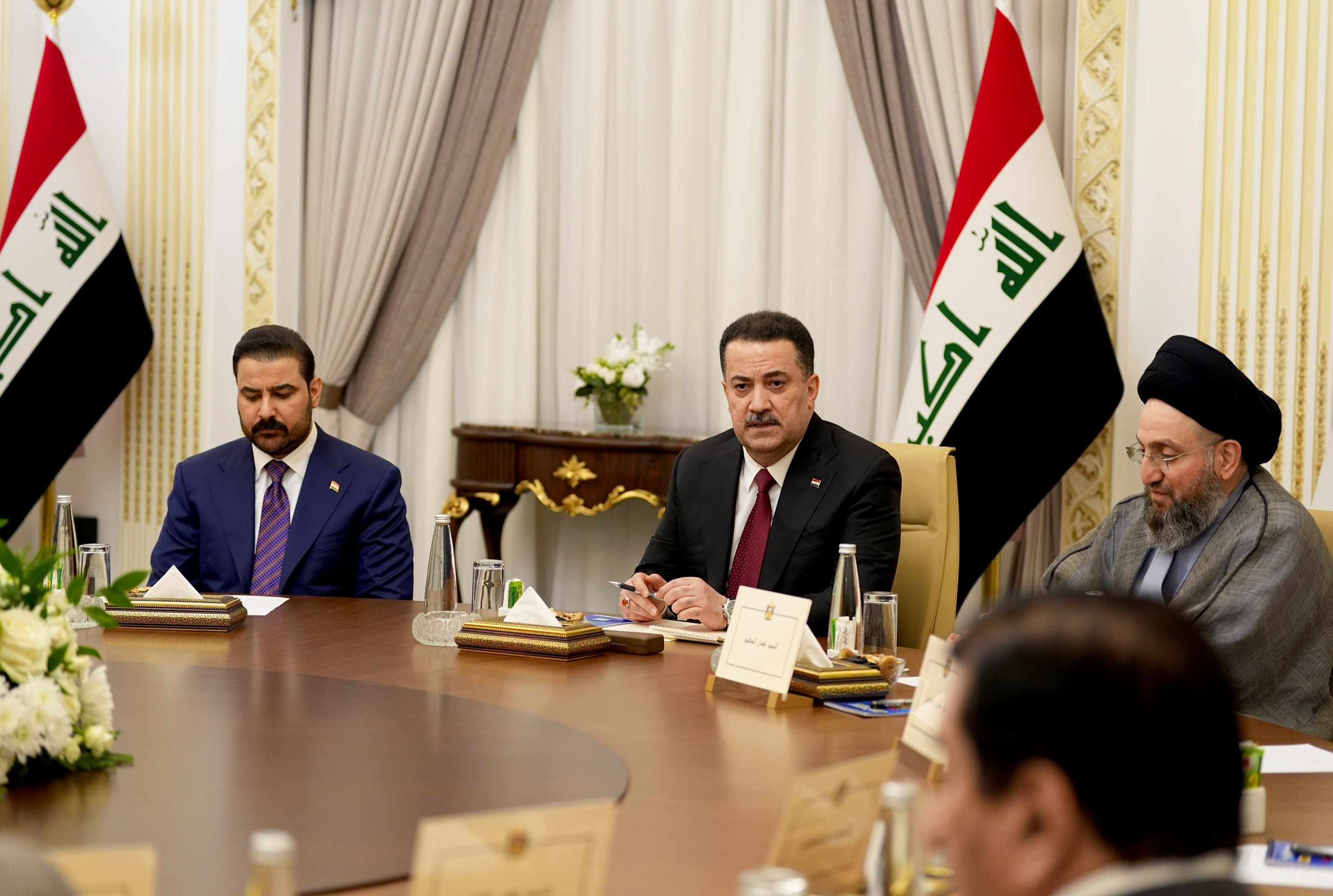
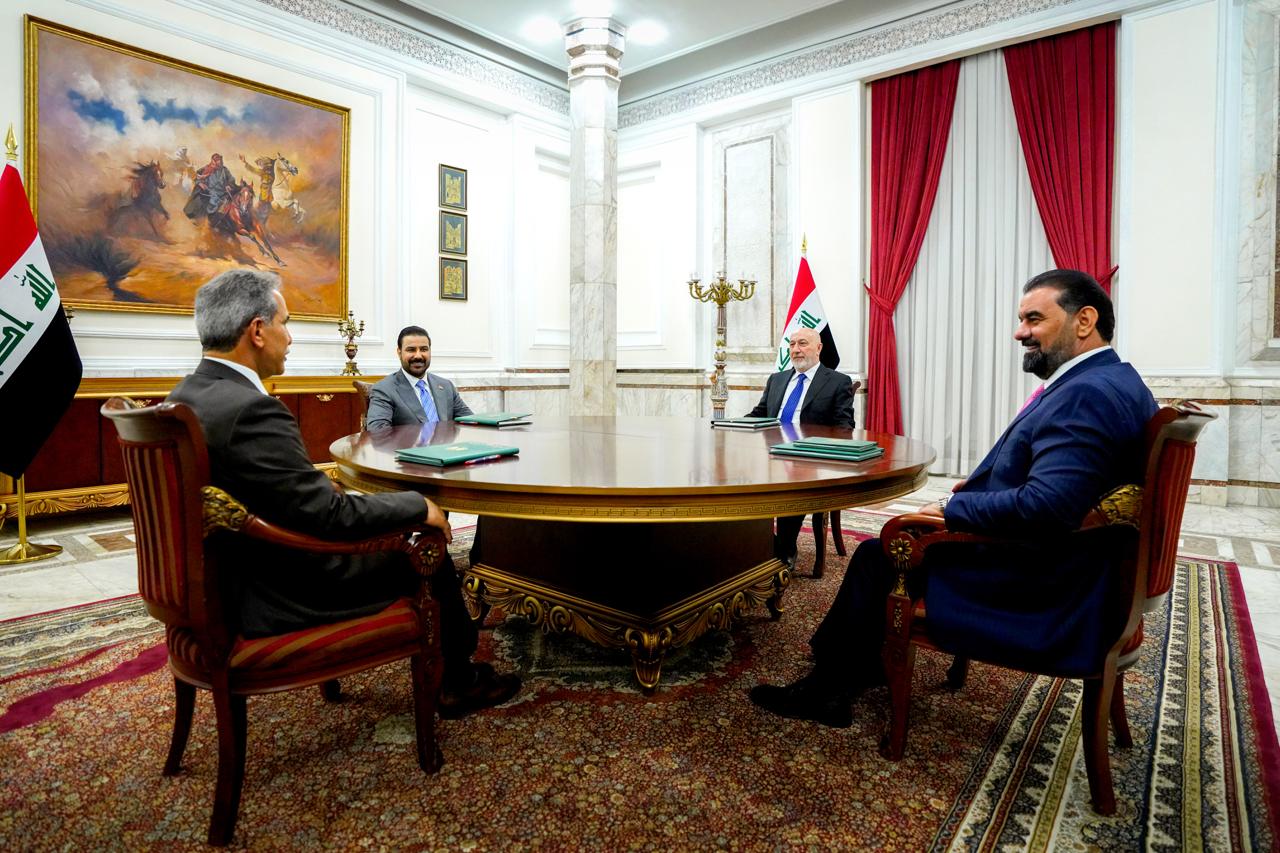
Iraqi President Nizar Amedi hosted a high-level summit at Baghdad Palace on Monday, where top leaders asserted exclusive state control over war, peace, and weapons while strategizing to shield the national economy from rising regional tensions.
Key Statements and Focus Area
- The Iraqi presidency stated that the leaders “emphasized the importance of consolidating security, as well as political and social stability in the country. They stressed the need to continue working toward meeting citizens' requirements, which contributes to improving living and service conditions, and strengthens confidence in state institutions.”
- The meeting affirmed “its support for the Iraqi government's request to exempt Najaf Airport from the U.S. Treasury Department's measures regarding Iranian airline flights to airports in regional countries.”
- The attendees stressed that completing the cabinet lineup is essential to elevate institutional performance, execute government priorities, and respond more effectively to citizens' needs.
President Nizar Amedi hosted the meeting of the four presidencies at Baghdad Palace on Monday, convening Prime Minister Ali Falih al-Zaidi, Speaker of the Council of Representatives Haibat al-Halbousi, and Supreme Judicial Council President Judge Faiq Zidan to discuss domestic political developments and regional security dynamics.
According to the presidency's statement, al-Zaidi briefed the leadership on his high-level meetings at the 81st UN General Assembly in New York, which aimed to strengthen Iraq's international relations and mutual interests.
The leaders addressed preparations for celebrating “Sovereignty Day” as “a national occasion confirming the completion of the path toward Iraqi sovereignty and consolidating the presence of the state and its institutions.”
The meeting emphasized transitioning international relations toward broader economic, commercial, and cultural cooperation to strengthen global partnerships and serve national interests.
The statement highlighted that the decision of peace and war “must remain exclusively in the hands of the state,” and weapons must be confined within the framework of constitutional and legal institutions.
“The issue of weapons outside state authority must be addressed according to constitutional and legal frameworks and in accordance with timetables set by the government, in a way that enhances state sovereignty, preserves the country's security and stability, and ensures the unity of national decision-making in facing challenges and dangers,” the statement added.
Regarding legislative matters, the participants underscored the importance of accelerating priority laws, while reaffirming absolute support for judicial efforts in "combating administrative corruption and holding anyone who violates the law accountable."
The meeting addressed economic conditions amid regional tensions, stressing the need for decisive measures to strengthen the national economy’s "resilience in dealing with regional and international variables."
Regarding regional developments, the presidencies renewed Iraq's firm stance calling for defusing crises and adopting peaceful diplomacy "to achieve security and stability in the region and spare its peoples further repercussions."
FYI
he high-level summit at Baghdad Palace comes at a historic turning point directly preceding the September 30 deadline, which marks the official conclusion of the International Coalition's military mission in Iraq.
With the military drawdown of U.S. forces complete, the leadership is actively managing the transition toward full institutional self-reliance and the celebration of Sovereignty Day.
The strict mandate asserting exclusive state control over the "decision of war" serves as a direct effort to prevent non-state armed factions from dragging the country into wider Middle Eastern conflicts.
By enforcing a legal timetable to confine all weapons to constitutional frameworks, the four presidencies aim to project a unified national command structure capable of maintaining domestic stability.
Strategically, the summit also focused on building economic resilience to shield Iraq's financial sectors from volatile regional market shocks.
Additionally, the leadership's formal backing to exempt Najaf International Airport from U.S. Treasury restrictions targets a vital source of revenue, as the airport relies heavily on regional religious tourism.
Resolving these regulatory constraints is viewed as essential to protect the national economy ahead of the impending 2027 federal budget layout. Ultimately, these synchronized security, diplomatic, and economic maneuvers reflect Baghdad’s comprehensive strategy to secure absolute sovereignty while navigating complex regional pressures.
Coalition Forces Hand Over Bases Ahead of Iraq Deadline
Iraq’s Four Presidencies To Discuss Post-US Withdrawal Security
Peshmerga Ministry Raises Air Defense Concerns Ahead Of US Withdrawal