Lawmaker Urges KRG and Iraqi Joint Forces to Fill Kirkuk Security Vacuum
At a Glance
- An Iraqi lawmaker said ISIS attacks in Pirde were expected following the Coalition's withdrawal and local intelligence gaps.
- A 168-kilometer security gap across Kirkuk allows militants to reorganize and establish safe havens.
- Mazin Gharib urge Erbil and Baghdad to deploy two joint military brigades to secure Kirkuk.
- Gharib called on the Iraqi Prime Minister, President, and KRG President to address the gap
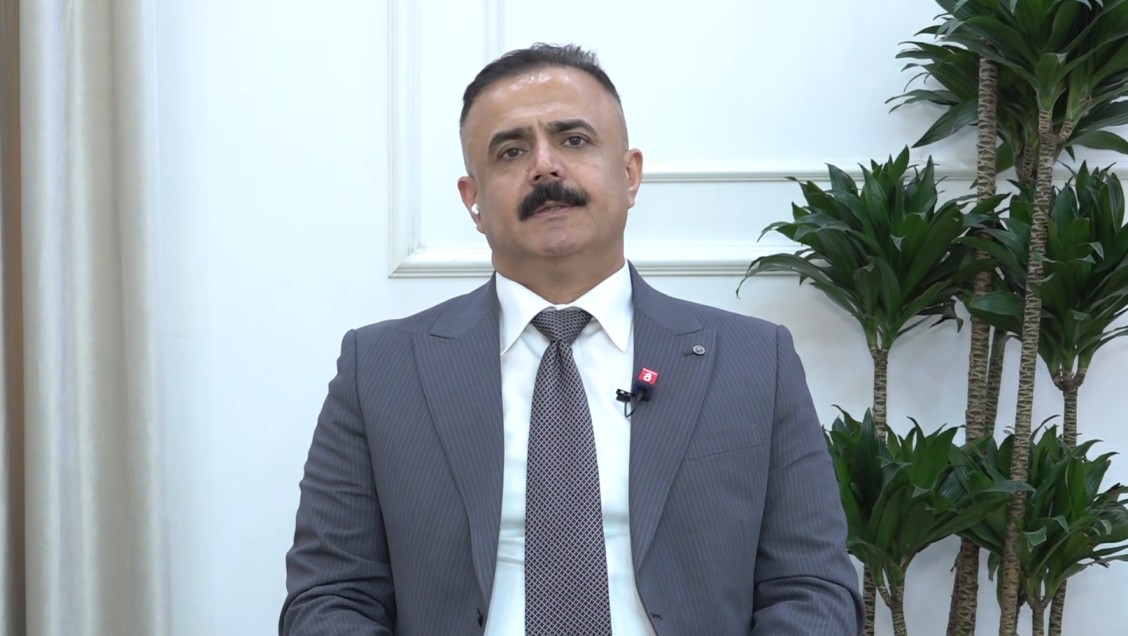
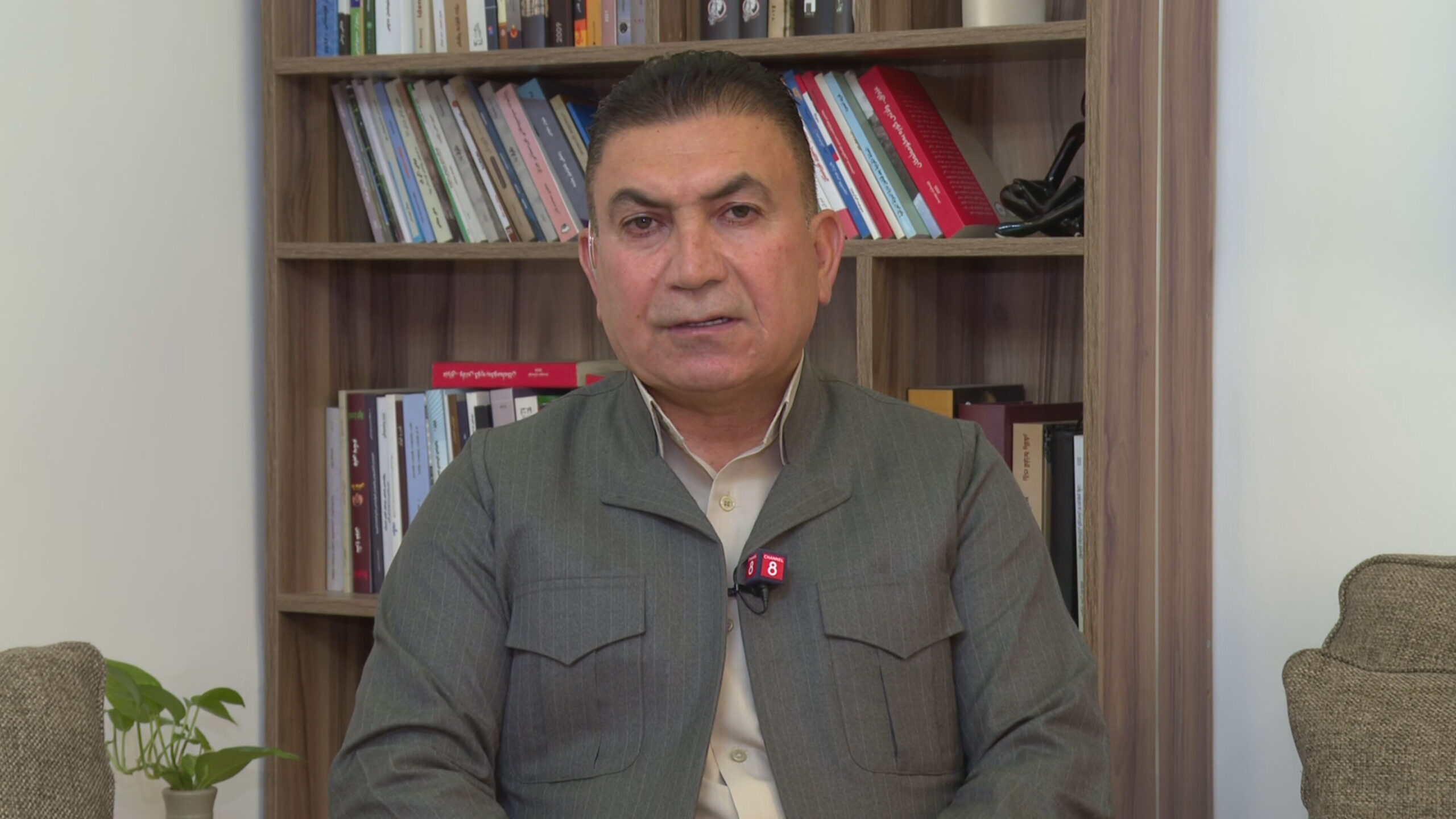
Iraqi lawmaker Mazin Gharib stated that yesterday's clashes in Pirde between Iraqi forces and ISIS militants were “anticipated,” emphasizing the critical need for strong coordination between the Kurdistan Regional Government and the Iraqi federal government to deploy a joint force to address the security vacuum in Kirkuk.
Key Statements and Focus Area
- The lawmaker stated that “this incident was anticipated for two primary reasons: first, it follows the complete conclusion of the International Coalition and U.S. presence across Iraq as a whole; second, it stems from the negligence of the intelligence apparatus and military forces stationed in this area.”
- “I call upon the President of the Republic, the Prime Minister, and the KRG President to take this matter seriously within the framework of the Security and Defense Committee,” Gharib stressed.
Speaking to Channel8 in an interview, Mazin Gharib, who is also a member of the Iraqi Parliament's Security and Defense Committee, noted that they have previously stated that the Iraqi Minister of Interior and Minister of Defense must conduct a "comprehensive review" of the military and security commanders, as some have held their positions for years and "neglected" their core duties, directly impacting the security of Kirkuk.
Gharib emphasized that “the security vacuum present in Kirkuk also exists in Saladin and Nineveh; however, the gap in Kirkuk is massive.”
He highlighted that it is essential for the KRG and the Iraqi federal government to establish strong coordination to address the security vacuum by deploying a joint force.
“Once this joint force is effectively deployed, these armed movements by terrorists in the region will undoubtedly cease to exist,” he added.
Gharib noted that the security vacuum has persisted for seven to eight years, stating that the issue has been raised repeatedly with military commanders and inside parliament to demand the deployment of a joint force similar to the two joint brigades established in Duz Khurmatu and Makhmour.
“It is essential to establish two additional joint brigades specifically for Kirkuk to protect these areas,” he underlined.
According to the lawmaker, joint military operations and sweeping campaigns are frequently conducted between the security agencies of the Kurdistan Region and Iraqi forces; however, they have not yet seriously succeeded in completely containing these armed militants.
He further mentioned that the current security vacuum in Kirkuk spans 168 kilometers, extending from Sargaran to Pirde, moving toward the Qara Salim and Shwan areas, then reaching Khalobazyani before crossing into Qara Hassan, Laylan, Daquq, and Dubiz (Dibis).
“This is a vast expanse, and in some areas, the gap is wide enough to allow these militants to fully reorganize, establish safe havens, and hide in order to launch terrorist activities,” he noted.
FYI
The Iraqi Counter-Terrorism Service engaged three suspected ISIS militants during a raid in Prde, killing two suicide bombers and capturing a logistics handler.
A 14-year-old Kurdish civilian martyred and two commandos were wounded during the exchange, drawing local criticism regarding coordination deficiencies and heavy fire in a residential area.
In the meantime, Iraq’s Counter-Terrorism Service apprehended three suspected ISIS members in Slemani during an operation executed under official judicial warrants.
The surge in militant activity occurs directly alongside the September 30 deadline, marking the formal end of the U.S.-led International Coalition’s military footprint in Iraq.
For years, Coalition surveillance, air support, and intelligence-sharing acted as a structural buffer keeping insurgent movements contained
The departure of international coalition forces constituted the foundational demand of Iraq’s non-state armed actors. Coinciding with the Prime Minister's official declaration concluding the U.S. military mission, these factions are anticipated to issue a formal response regarding state-led disarmament initiatives.
Their projected declarations are expected to outline a framework for incorporating their respective personnel into the state-sanctioned Popular Mobilization Forces (PMF).
However, substantial ambiguity remains regarding their long-term compliance with these commitments and the operational execution of the demobilization process.
Profound anxieties persist across various political factions concerning the strategic implications of the current U.S. drawdown, largely informed by the security precedents of 2011.
Following the prior withdrawal of American forces, the resulting security vacuum directly enabled ISIS to rapidly capture expansive swathes of Iraqi territory by 2014. Consequently, several political leaders express concern over a potential recurrence of this destabilization cycle, maintaining that Iraq requires continued international security and intelligence assistance to ensure long-term stability.
Dive Deeper: Handpicked Stories for You
Follow Channel8 for continuous updates:
Iraq Presidencies Assert State Weapon Monopoly Amid Regional Crises
Peshmerga Ministry Raises Air Defense Concerns Ahead Of US Withdrawal
Three ISIS Suspects Arrested In Slemani
Iraq Counter-Terrorism Forces Kill Two ISIS Militants In Kirkuk Clash
.jpg)
.webp)