Al-Zaidi Calls For ‘New Era’ As Iraq Marks Coalition Mission End
At a Glance
- Prime Minister Ali Faleh al-Zaidi calls for a “new era” as Iraq marks the end of the international Coalition’s mission against ISIS.
- Al-Zaidi says Iraq must move from a “battleground for conflicts” to a country that fully controls its decisions and protects its sovereignty.
- He urges armed groups that fought for Iraq to operate within state institutions, calling for “one weapon in the hands of the state” and “one military and security decision.”
- Al-Zaidi also pledges to protect public funds and says he will not receive a salary or allowances from the Iraqi state.
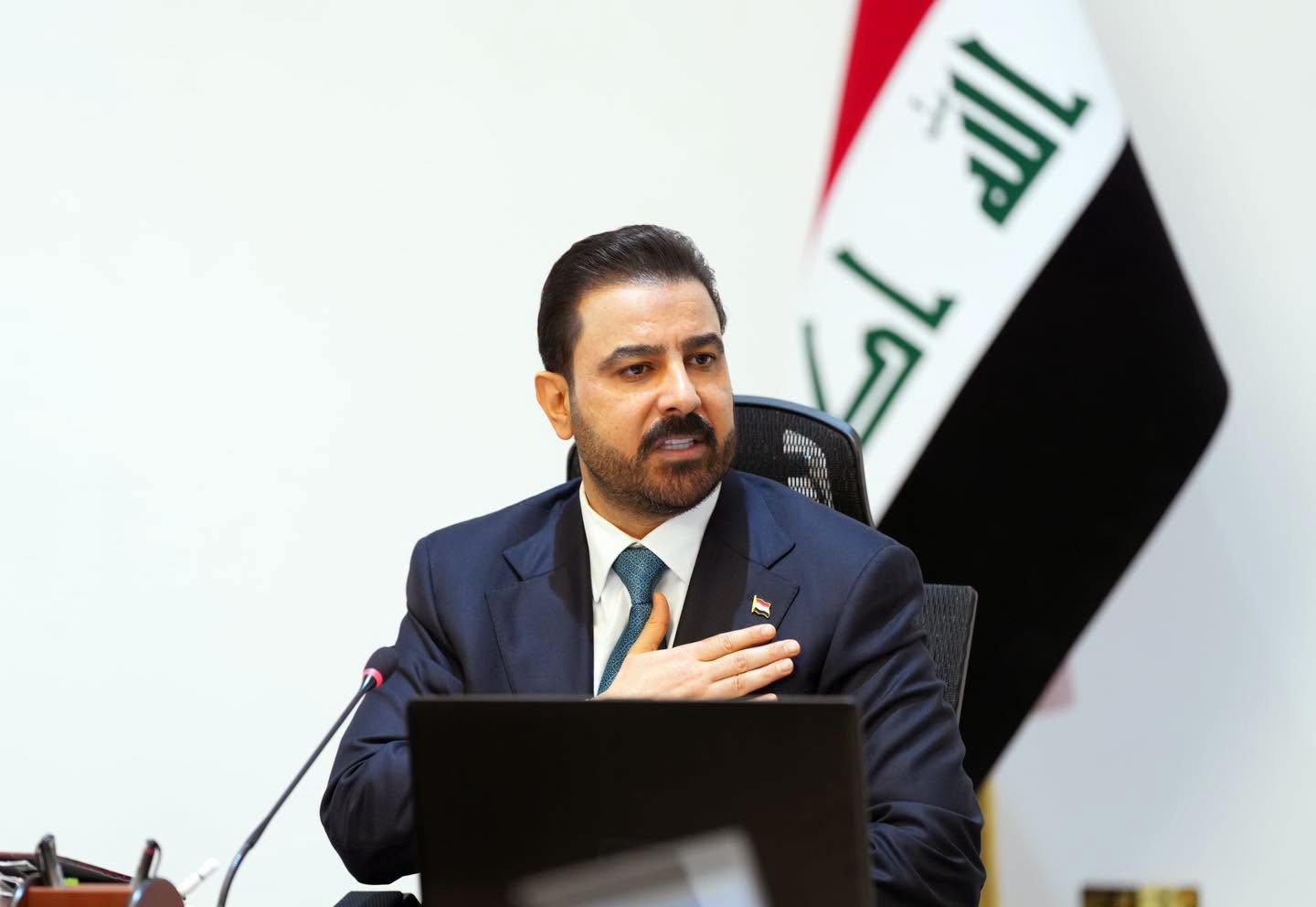
Iraqi Prime Minister and Commander-in-Chief Ali Faleh al-Zaidi has called for a “new era” for Iraq as the country marks Sovereignty Day and the end of the international Coalition’s mission against ISIS.
In a speech marking the September 30 transition, al-Zaidi called for greater state control over weapons and security decisions, while urging armed groups to place their capabilities and experience within state institutions.
Key Statements
“Let us declare a new era in which Iraq moves from being a battleground for conflicts to a homeland that fully controls its decisions and protects its territory and sovereignty.”
— Prime Minister Ali Faleh al-Zaidi
“Be at the heart of the state, not outside it.”
— Ali Faleh al-Zaidi, addressing those who fought for Iraq
“Let your weapons and your men have their place within the state and its institutions.”
— Ali Faleh al-Zaidi
“This is the equation of sovereignty: one weapon in the hands of the state, Iraqi territory without foreign forces, and a national decision that represents everyone.”
— Ali Faleh al-Zaidi
“The state does not exclude its sons; rather, it organizes their capabilities within the framework of law and the Constitution.”
— Ali Faleh al-Zaidi
Al-Zaidi's address centered on state sovereignty, control of weapons, and the integration of armed formations into state institutions.
He praised national forces that placed their armed formations under the authority of the commander-in-chief and called on those who fought for Iraq to bring their experience and sacrifices into state institutions.
He also paid tribute to Iraq’s religious leadership and to those killed or wounded during the country’s conflicts, including members of the army, police, Counter-Terrorism Service, Popular Mobilization Forces, Peshmerga and other security forces.
Speaking on Sovereignty Day, al-Zaidi said Iraq had paid a heavy price through years of conflict and that the presence of multiple armed forces had contributed to the country becoming a “battleground for others” rather than a secure homeland.
He thanked the senior religious authority in Najaf for what he described as its decisive role in defending Iraq and its people, while honoring the country’s fallen and wounded and the various security and military forces.
Addressing armed groups that fought during Iraq’s conflicts, al-Zaidi said their place should be within the state and its institutions.
He called for their experience and sacrifices to become an additional strength serving Iraq under one national doctrine, one flag, and one military and security decision.
Al-Zaidi said the state would not exclude those forces, but would organize their capabilities within the framework of the Constitution and law.
He described sovereignty as requiring three elements: state control of weapons, Iraqi territory without foreign forces, and a national decision representing all Iraqis.
The prime minister also urged Iraqis to protect the country's wealth and public funds, saying his government would continue working to strengthen state resources and confront the country's challenges.
Al-Zaidi separately said he had committed himself to receiving neither a state salary nor allowances, describing public office as a responsibility rather than a personal benefit.
He concluded his speech by reaffirming his call for a sovereign and unified Iraq and honoring the country's fallen.
FYI
The address comes as Iraq assumes primary responsibility for its national security following the completion of the U.S.-led Coalition's military mission in Iraq on September 30. The final U.S. troops and equipment departed from Erbil, formally ending Operation Inherent Resolve in Iraq, while Washington has said bilateral training and intelligence cooperation will continue.
Al-Zaidi's emphasis on one state-controlled security decision also reflects a central issue facing Iraq's post-Coalition security arrangements: how armed formations that fought ISIS can operate within the country's formal security and constitutional framework. His call for those groups to remain “at the heart of the state” places integration and state authority at the center of Iraq's next security phase.
The broader challenge is balancing the government's stated goal of consolidating state authority with the political and security realities surrounding armed groups. Recent Iraqi debate has focused on gradual mechanisms for bringing weapons under state control rather than an immediate confrontation, with the issue remaining one of the government's most significant security and political files.
Dive Deeper: Handpicked Stories for You
Follow Channel8 for continuous updates:
Iraqi PM Al-Zaidi Announces Official End of US-led Coalition Mission
Iraq Reviews Security Readiness After Coalition Withdrawal
Amedi Marks Coalition Departure, Urges Balanced International Relations
54 minutes ago