Oil Prices Hit Six-Month Settlement High as Supply Risks Mount
At a Glance
Brent crude rose $3.55, or 3.14%, to settle at $116.72 a barrel on Friday, its highest settlement since April 29.
US West Texas Intermediate gained $3.80, or 3.8%, to close at $103.27 a barrel.
Brent rose more than 6% for the week, marking its fifth consecutive weekly gain, amid concerns over energy supplies from the Middle East.
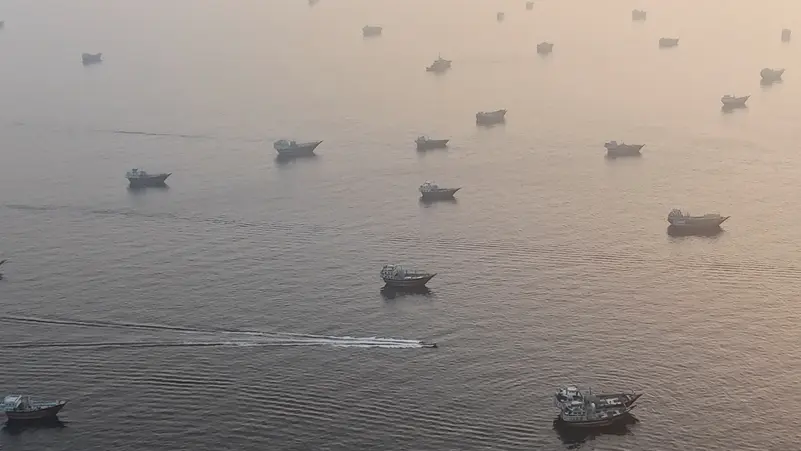
An oil leak was reported from a tanker off Umm Al Quwain in the United Arab Emirates, adding to maritime security concerns.
Oil prices climbed sharply on Friday, with Brent crude settling above $116 a barrel at its highest level in nearly six months, as concerns over possible disruptions to Middle Eastern energy supplies intensified amid continued maritime attacks and regional tensions.
Key Statements and Focus Areas
Oil Prices and Weekly Gains
Brent crude: Rose $3.55, or 3.14%, to settle at $116.72 per barrel, its highest settlement since April 29.
West Texas Intermediate (WTI): Gained $3.80, or 3.8%, to $103.27 per barrel.
Weekly performance: Brent advanced more than 6%, extending its gains to a fifth consecutive week. WTI rose 2.3% for the week, marking its third consecutive weekly increase.
Maritime Security and Supply Concerns
The UAE Ministry of Climate Change and Environment reported an oil leak from a tanker off the coast of Umm Al Quwain.
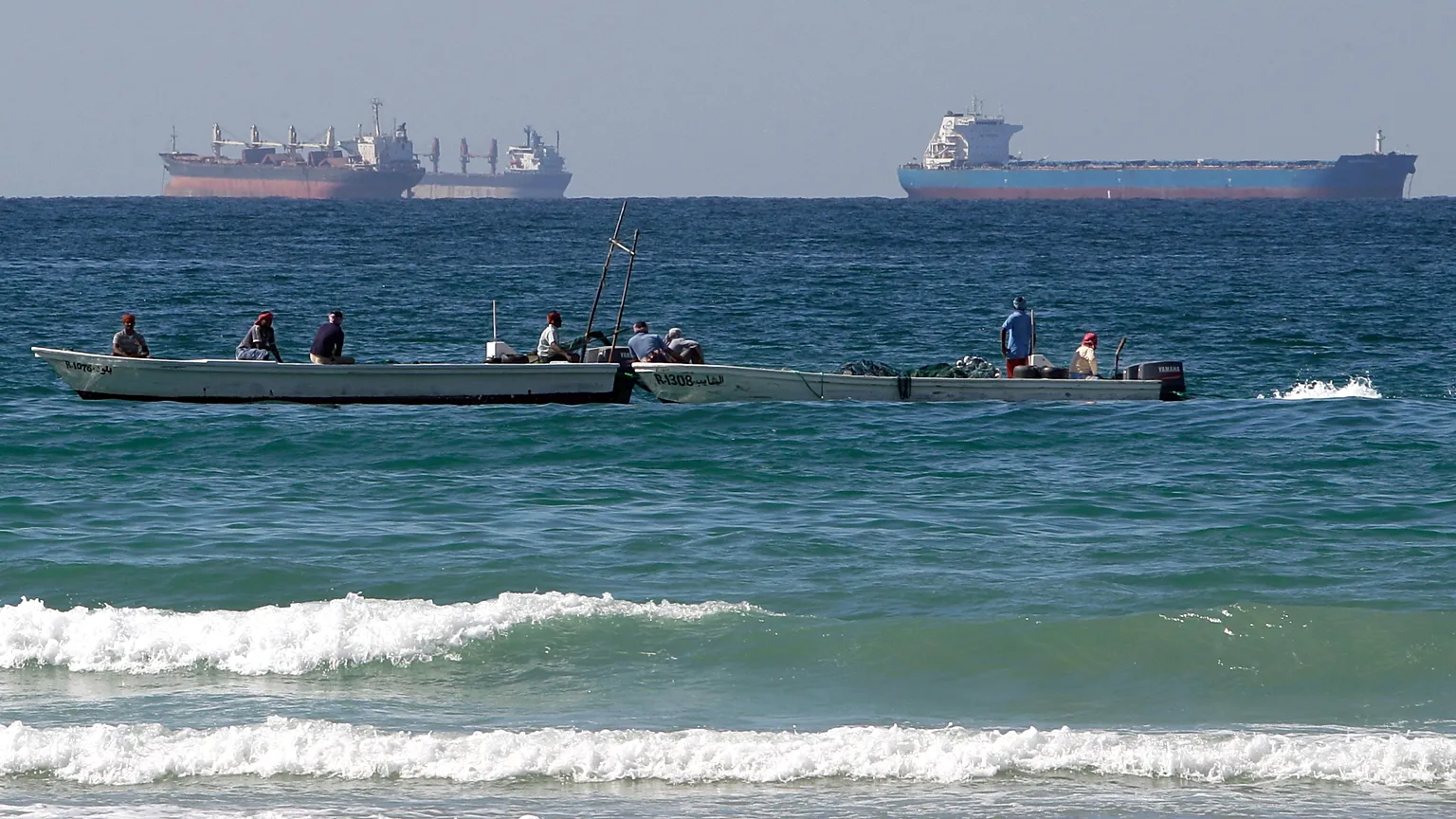
Shipping sources also said the tanker Gem Number 2 was struck by an unidentified projectile on October 9, about 13 nautical miles west of an island area in the UAE.
Andrew Lipow, president of Lipow Oil Associates, said the market was concerned about continued attacks on tankers, adding that increased oil flows through the Strait of Hormuz could change at any moment.
Strategic Oil Reserves
United States: The Department of Energy authorized an emergency exchange of up to 400,000 barrels from the Strategic Petroleum Reserve to address a supply disruption affecting the Phillips 66 refinery in Lake Charles, Louisiana.
Germany: The country's oil-stockholding agency issued a tender to sell diesel, heating oil and crude from strategic reserves.
Libya: The National Oil Corporation said a pipeline valve serving the Hamada and Al-Tahara fields had been closed, reducing output from both fields.
US-Iran Conflict and Fuel Markets
US President Donald Trump said on Friday that Washington could end the war with Iran quickly, while questioning whether the conflict should instead be allowed to wind down gradually.
Meanwhile, vessel-tracking data showed a tanker carrying the first Russian diesel shipment under a newly announced export arrangement with Trump heading toward New York.
Oil prices rose sharply on Friday as traders weighed the risk of further disruptions to energy supplies from the Middle East. Brent crude settled at $116.72 a barrel, while US West Texas Intermediate closed at $103.27.
Brent's weekly gain of more than 6% marked its fifth consecutive week of increases, reflecting persistent concerns about the security of oil shipments and the potential for further disruption to regional supply routes.
The UAE's report of an oil leak from a tanker off Umm Al Quwain added to those concerns. Shipping sources had also reported that the Gem Number 2 tanker was struck by an unidentified projectile earlier in October.
Andrew Lipow of Lipow Oil Associates said ongoing attacks on tankers were weighing on market sentiment. He noted that although the volume of oil passing through the Strait of Hormuz had increased, that situation could change rapidly.
Data collected by a Washington-based maritime security research center showed that October had been the worst month for attacks on commercial vessels in the Strait of Hormuz and surrounding waterways since the center began tracking such incidents in 2017.
Governments have also turned to strategic reserves and alternative supply arrangements to address disruptions. The US Department of Energy authorized an emergency exchange of up to 400,000 barrels from the Strategic Petroleum Reserve following a supply interruption affecting the Phillips 66 refinery in Louisiana. Germany has also offered strategic stocks of diesel, heating oil and crude for sale.
In Libya, the National Oil Corporation said a pipeline closure had reduced production at two oil fields. Separately, a tanker carrying Russian diesel was reported to be heading toward New York, marking the first shipment under a new export arrangement announced by Trump earlier this month.
FYI
The price increase reflects how geopolitical risk and shipping security can influence global energy markets even when oil flows have temporarily improved. The Strait of Hormuz is a critical route for international oil and gas shipments, leaving prices sensitive to any threat to tanker traffic or regional infrastructure.
The use of strategic reserves in the United States and Germany, alongside alternative supply arrangements, highlights efforts to cushion markets against disruptions. However, reserve releases and additional shipments may not fully offset prolonged interruptions to production or maritime transport. The reported tanker leak and attacks also represent separate incidents; the supplied information does not establish that the leak off the UAE was caused by an attack.
Dive Deeper: Handpicked Stories for You
Follow Channel8 for continuous updates:
Iran Reports Seven Oil Tankers Damaged in Strait of Hormuz
Oil Rises as Middle East Risks Keep Brent Near Five-Month High