On This Day in History: December 22, 1989 – The Fall of Romanian Dictator Nicolae Ceaușescu
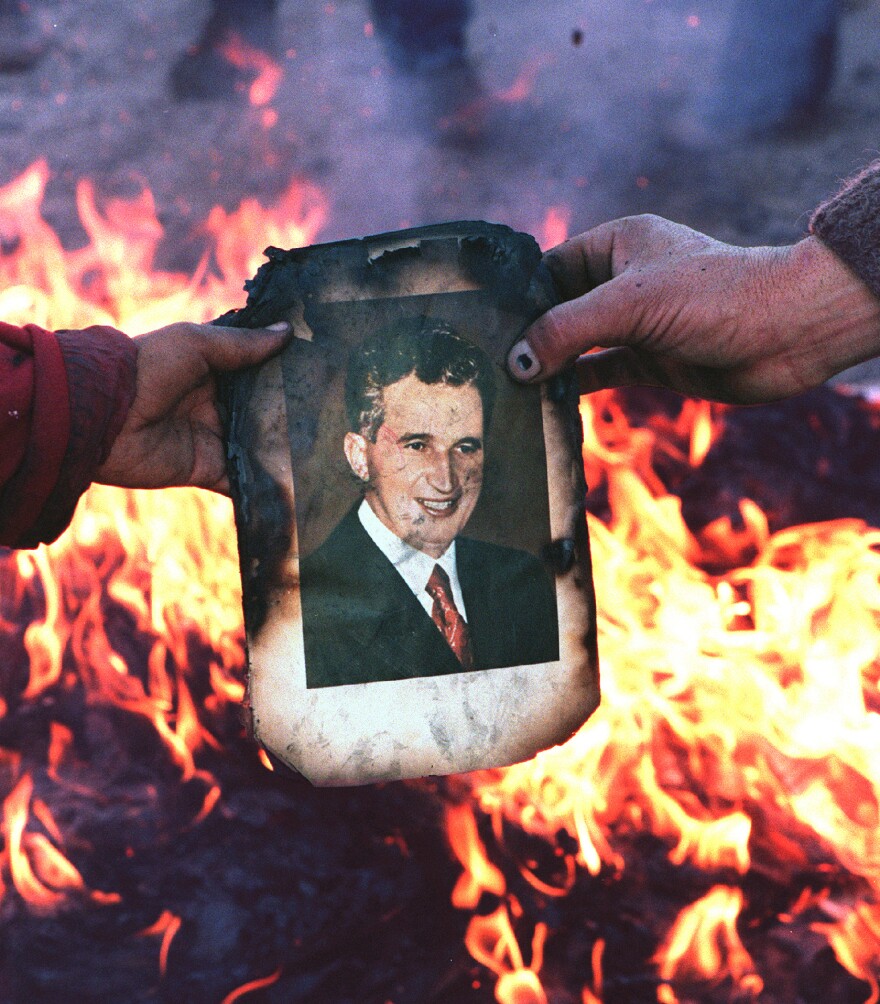
On December 22, 1989, Nicolae Ceaușescu, the communist dictator who ruled Romania with an iron grip for 23 years, was overthrown in a dramatic series of events that marked the end of one of Eastern Europe's most repressive regimes. This pivotal moment came during a wave of revolutions sweeping across the Eastern Bloc, following the decline of Soviet influence under Mikhail Gorbachev’s policies of glasnost and perestroika.
Ceaușescu's downfall began earlier in December with protests in the city of Timișoara. Sparked by opposition to the regime's forced relocation of a popular ethnic Hungarian pastor, the demonstrations quickly grew into a mass movement against the government's corruption, human rights abuses, and catastrophic economic policies. Ceaușescu responded with brutal repression, ordering security forces to open fire on protesters, killing hundreds. The violence, instead of silencing dissent, ignited nationwide outrage.
On December 21, Ceaușescu held a public rally in Bucharest, hoping to reassert control. However, the speech backfired as the crowd turned against him, chanting anti-government slogans and booing. For the first time, state-controlled television broadcasted signs of dissent, signaling to millions that the regime’s grip was slipping. By the following day, protests had engulfed the capital, and Ceaușescu attempted to flee by helicopter with his wife, Elena.
Their escape was short-lived. After being captured by the military, the Ceaușescus were tried in a hastily organized military tribunal, convicted of crimes including genocide and corruption, and executed by firing squad on December 25, 1989. Their deaths symbolized the end of decades of authoritarian rule and marked Romania's transition toward democracy.
The importance of this day lies in its broader context as part of the collapse of communist regimes across Eastern Europe in 1989, a year often referred to as the "Autumn of Nations." The fall of Ceaușescu demonstrated the power of collective resistance against tyranny and highlighted the deep dissatisfaction with communist regimes that had failed to deliver economic stability and basic freedoms. Romania’s revolution was also one of the bloodiest transitions, underlining the extent of Ceaușescu's oppressive rule.
Today, December 22 is commemorated in Romania as a day of liberation, honoring the courage of those who stood against a brutal dictatorship. It serves as a reminder of the resilience of people striving for freedom and the pivotal role that collective action plays in shaping history.
22/12/2024