Hezbollah Faces Severe Financial and Military Struggles Three Months After Lebanon-Israel Ceasefire
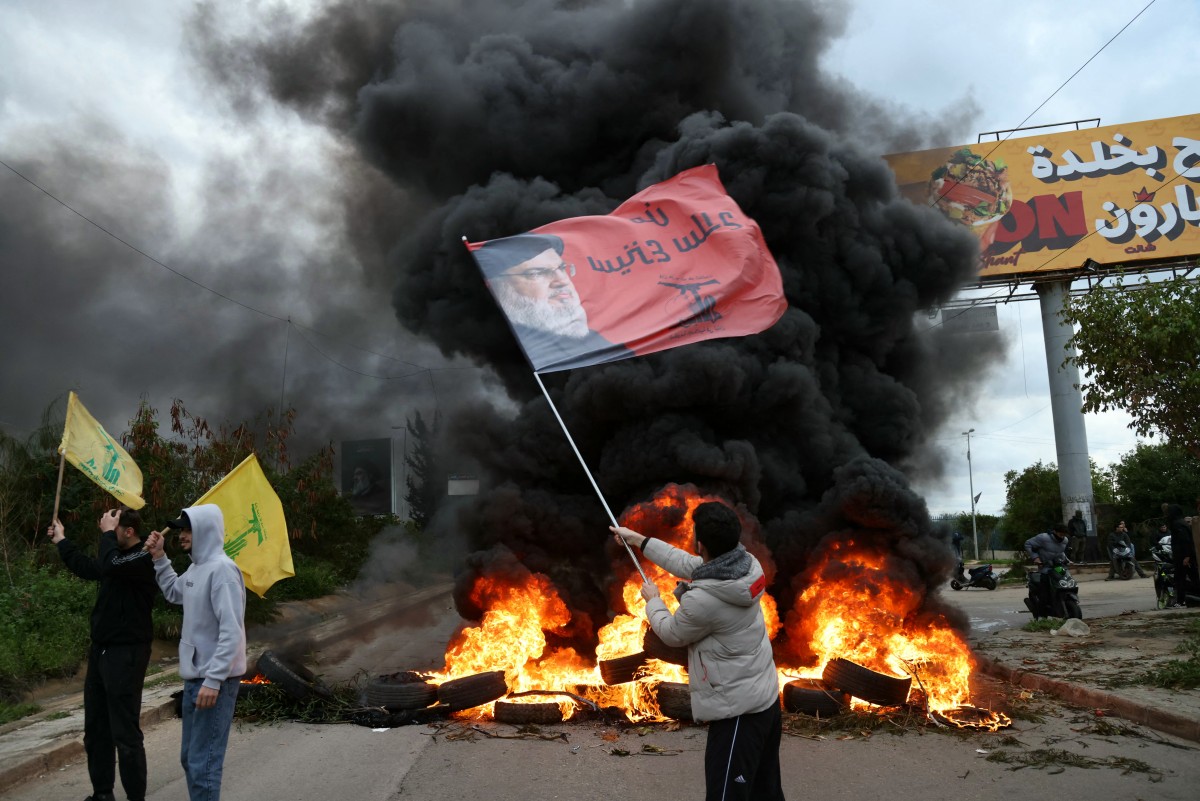
Three months after the ceasefire agreement between Lebanon and Israel took effect on November 27, 2024, Hezbollah’s political, military, and financial struggles have become increasingly apparent.
The Iran-backed group has suffered significant military losses, financial strain, and a weakening grip on its support base, particularly in southern Lebanon and the Bekaa Valley, where the recent war caused widespread destruction.
Military and Financial Decline
According to a report by The Wall Street Journal, Hezbollah has lost 5,000 fighters in the conflict, with over 1,000 others suffering severe injuries, including amputations and permanent blindness. The group is also struggling to cover medical expenses and compensation payments to its members and their families.
A leaked internal memo reportedly ordered non-local Hezbollah fighters to evacuate their positions in southern Lebanon, allowing the Lebanese army to assume control, as per the ceasefire terms with Israel. Sources indicate that Hezbollah has dismantled several military units due to the heavy losses but has attempted to replenish its ranks by redeploying fighters from Syria and restructuring its forces in preparation for potential future confrontations.
Hezbollah’s Financial Struggles and Frozen Payments
For decades, Hezbollah has functioned as a state within a state, providing jobs, social services, and financial support to its members and their families. However, the costs of war have now made these financial commitments unsustainable.
Reports indicate that Al-Qard al-Hassan, Hezbollah’s financial arm, has temporarily frozen compensation payments, leaving many affected families without assistance. Some residents of southern Lebanon and Beirut’s southern suburbs claim they have received no financial support, despite previously issued checks.
“Hezbollah no longer has the money to compensate its voters,” said Lina Khatib, an associate fellow at Chatham House, warning that the group’s financial struggles could lead to a decline in popular support.
Disruptions in Compensation and Prioritization of Payments
A Qard al-Hassan official defended Hezbollah’s efforts, stating that the party has assessed hundreds of thousands of damaged homes and distributed $630 million in aid. Individual payments reportedly ranged between $12,000 and $14,000 per year for rent, plus additional funds for furniture.
However, delays have raised concerns. Fadwa Halal, a resident of Haboush, said she received a $7,000 compensation check on January 28, but Qard al-Hassan initially refused to cash it, citing a temporary financial freeze. She was finally able to cash it a month later, though many others continue to face prolonged delays.
Similarly, Musa Shmeisani, a car dealer and head of the merchants’ association in Nabatieh, stated that Hezbollah appears to be prioritizing payments for urgent housing needs over businesses. “I received $12,800 in emergency shelter assistance,” he said, “but I lost nearly $100,000 in inventory and have not received a single cent in compensation.”
Impact of Iranian Funding Cuts and Assad’s Fall
Hezbollah’s financial struggles have been compounded by new efforts by the Lebanese government to limit the flow of Iranian funds—its primary source of financing.
Additionally, the fall of Bashar al-Assad’s regime in Syria has been a major setback, cutting off a key weapons and financial supply route that Hezbollah had relied on for years.
With mounting financial pressure, military losses, and reduced Iranian backing, Hezbollah faces one of its most challenging periods in decades, raising questions about its long-term stability in Lebanon.
24/02/2025