Iran Reduces Mobile Phone Taxes Amid Soaring Prices and Economic Struggles
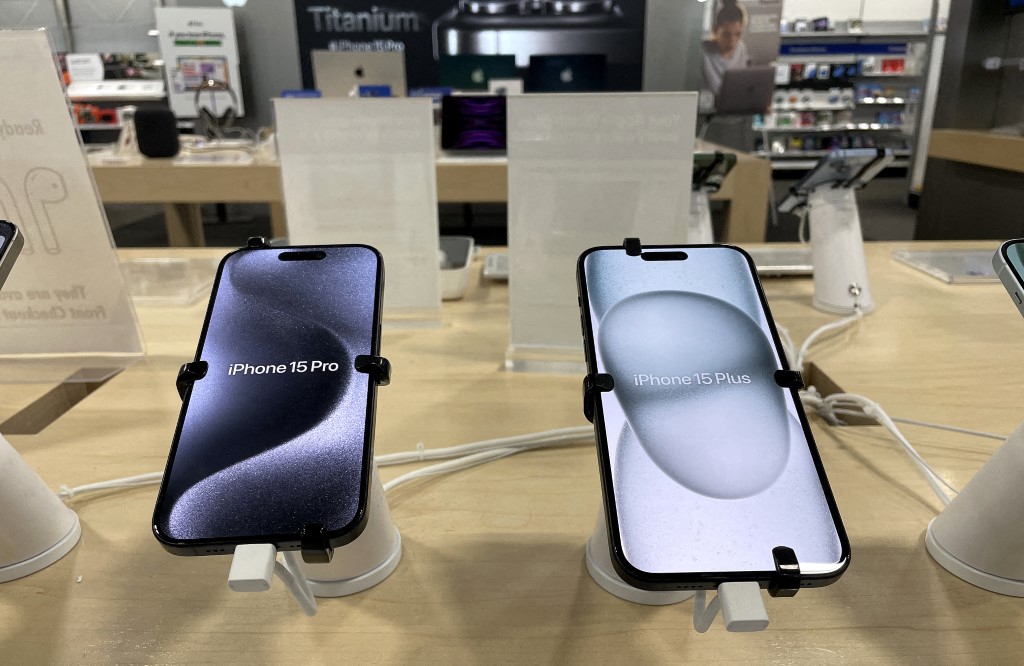
The price of telephones and communication equipment in Iran and Eastern Kurdistan has surged by 40%, driven by various economic factors.
In response, the Iranian government is attempting to control prices by lowering the tax on mobile phones.
Sanctions on Iran in recent years have significantly impacted the prices of goods, inflation rates, and taxes on imported items. Mobile phones, which are in high demand, have seen a notable price increase during this period.
As part of efforts to curb these rising costs, the Iranian Customs announced a tax reduction starting today. The tax on mobile phones priced below $150 will be reduced by 10%, those between $150 and $600 by 5%, and those over $600 by 15%.
This comes after Gostaresh News reported that the prices of mobile phones under $600 in Iran had increased by 37.5%, and those over $600 by 40%.
Hossein Sadat Hosseini, head of the Expert Commission for Telephones and Communication Equipment at the Chamber of Commerce of Iran, attributed the price hike to the suspension of government funds allocated for the telephone industry.
Despite the economic blockade of Rojava and the ongoing economic crisis, many Iranian citizens still prioritize purchasing the latest mobile phone models, such as iPhones, often sourced from neighboring countries through unofficial channels.
In related news, the Wall Street Journal reported that Apple is in preliminary talks to sell iPhones in Iran, contingent on the easing of sanctions.
Apple, which currently has no official sales outlets or partners in Iran, has started discussions with distributors to establish official sales channels if authorized.
The company is considering selling its products through "premium resellers," a model it has employed in Europe and Asia, rather than opening Apple-branded stores.
If Apple enters the Iranian market, it will join other companies seeking to access this large market, which has been mostly off-limits to U.S. firms since 1979 due to embargoes.
Boeing sold plane parts to Iran Air for the first time since the 1979 hostage crisis, and General Electric has also obtained a license to sell spare airliner parts to Iran.
Apple could benefit from a U.S. decision in May that lifted restrictions on the sale of consumer communication technologies in Iran. However, Apple declined to comment on the report.
24/07/2024