The Controversial Legacy of the 1994 Nobel Peace Prize Awarded to Israeli and Palestinian Leaders
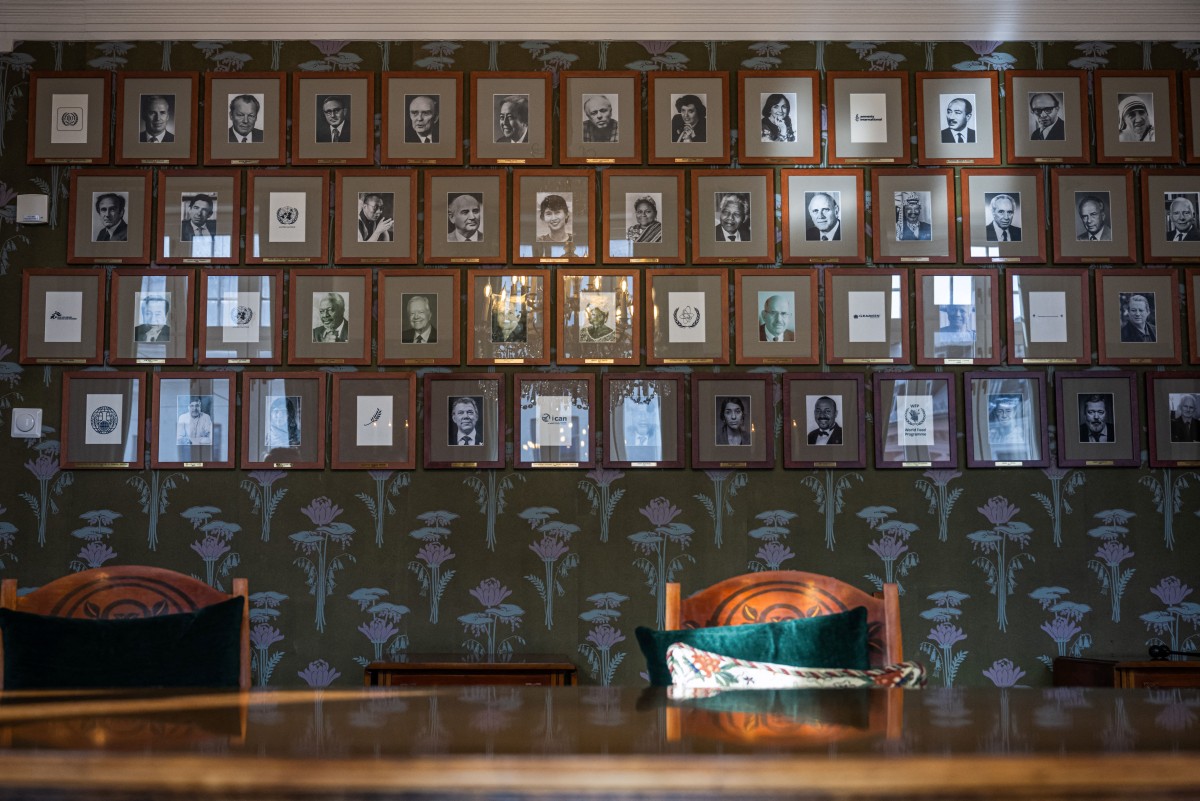
The Nobel Peace Prize awarded 30 years ago to the architects of the Israeli-Palestinian peace process remains one of the most debated in the prize's history.
On October 14, 1994, the prize was awarded to Yasser Arafat, leader of the Palestinian Liberation Organization (PLO), Israeli Prime Minister Yitzhak Rabin, and his foreign minister Shimon Peres, following the signing of the Oslo Accords.
The Nobel committee praised "their efforts to create peace in the Middle East" and recognized the Oslo Accords as a major step toward a negotiated solution. Despite the hopeful sentiment, the progress was soon overshadowed by ongoing violence in the region, which has continued to claim tens of thousands of lives over the following decades.
The awarding of the prize sparked immediate protests, particularly over Arafat's selection, given his controversial past and role in leading armed resistance against Israel. Committee member Kare Kristiansen, co-founder of the Norwegian parliament's Friends of Israel group, resigned in protest, citing Arafat's "tainted" history of violence and terrorism.
While Rabin worked to solidify peace efforts, his tenure was cut short by his assassination a year later by a Jewish extremist. Peres, meanwhile, faced criticism over his participation in military offensives, leading some members of the Nobel committee to publicly regret his inclusion as a laureate. The hopes attached to the 1994 prize have since faded as the region continues to grapple with enduring conflict, now further intensified by clashes involving Israel, Hamas, Hezbollah, and Iran.
04/10/2024