Six Of The Most Important Events In The History Of The City Of Sulaymaniyah
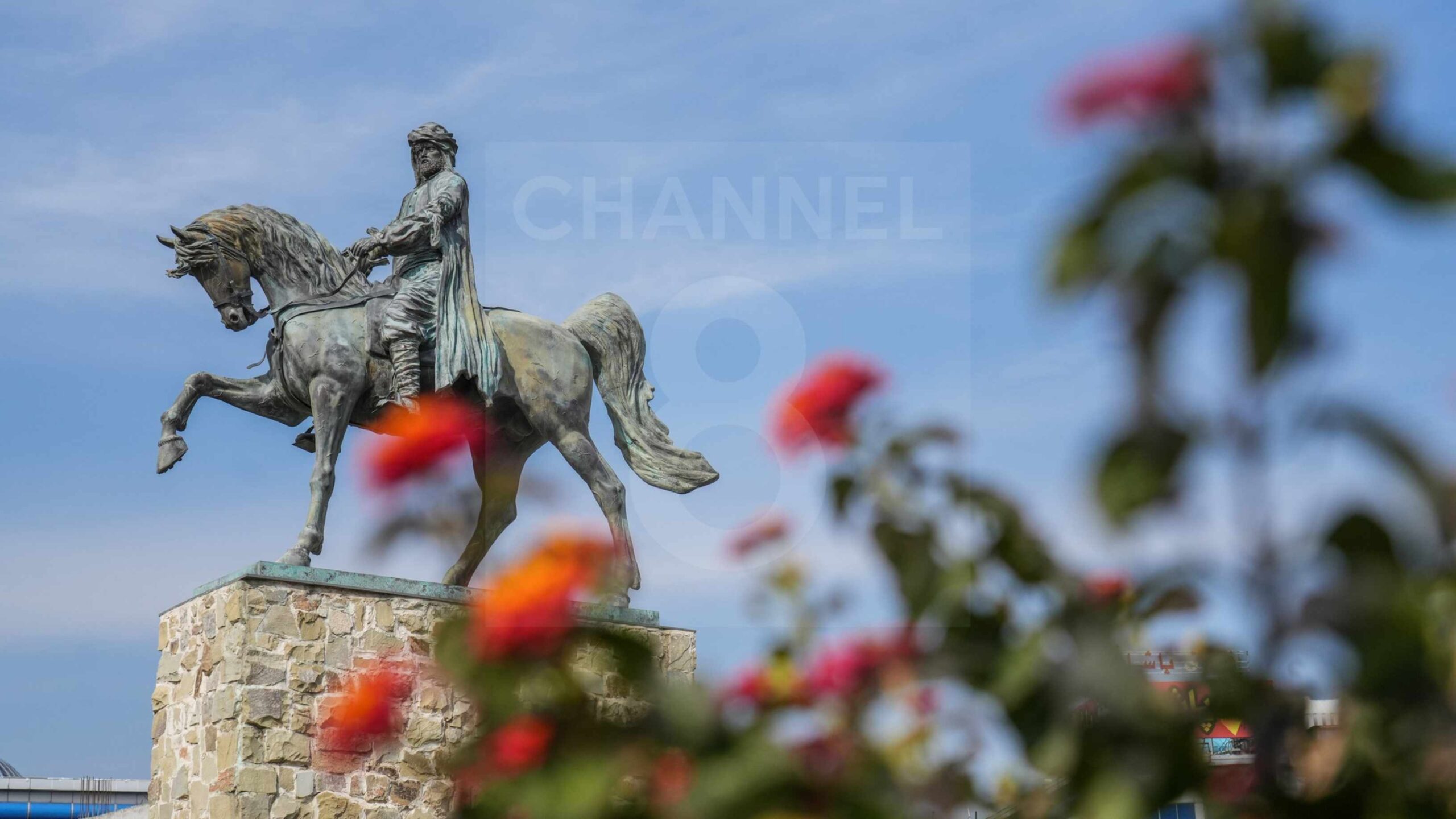
Sulaymaniyah has been the center of political, national and social changes in the contemporary history of South Kurdistan and has always been the foundation of national sentiment and inspiration to other parts of Kurdistan.
Sulaimaniyah was founded in 1784 and its been 240 years since. One of the fun fact is that US was founded in 1776, so only eight years older then Sulaimaniyah. Over the past century, the city has witnessed numerous significant events and milestones; here, we highlight the most noteworthy among them.
First : At the end of World War I and in mid-November 1918, Major Noel, a representative of the British government, came to Sulaymaniyah and met with Sheikh Mahmoud Hafid. British policy towards the Kurds is considered to have led to the establishment of three successive governments one after another until 1923, the first experience of Kurdish rule in the early 20th century.
Second : Printing houses have been brought to Sulaymaniyah since the beginning of the 20th century. The first printing houses were brought to the city by the British. Printing houses have played a very important role in promoting Kurdish intellectuals, education and journalism. When Major Son was the political ruler of Sulaymaniyah, he brought one of the printing houses to Sulaymaniyah. Dr. Kamal Mazhar says about the printing house that Major Son located the printing house opposite Hamza Agha's house, and was able to persuade three educated young people of that time to take over the work in the printing press. The weekly "Peshkewtan" ( meaning Progress ) was published for the first time and then later Sulaymaniyah became the journalistic capital of South Kurdistan.
Third : The uprising of September 6, 1930, which is known among the people of Sulaimaniyah as the Battle of Bardaraki Sara, and it is known as a war of political, national and intellectual demands for the consolidation of nation and national rights. This event has become the identity of the city in Iraq and still they are keeping it alive. The history of the event dates back to 94 years ago, and it was the first time in the history of a city of Kurdistan that demonstrations started and people took to the streets and demanded national and political rights. The main reason for the uprising was the disappointment of the people of the city with the policies of the British and the promises made to the people of Sulaimaniyah in previous years.
Fourth : Sulaymaniyah University is one of the largest universities in the Kurdistan Region and was established in 1968, known as the mother university. it was the first university in South Kurdistan and was an important academic center at that time. In 1980s it was transferred to Erbil by the former Ba'ath regime and renamed Salahaddin University. Sulaymaniyah University was re-established in 1992 as a result of the efforts of Kurdish intellectuals and technology loving people. One campass is in the main city of Sulaymaniyah and the other is located in Qliasan neighborhood.
Fifth : The outbreak of the new Kurdish revolution in 1975 from the Sulaymaniyah border by the Patriotic Union of Kurdistan ( PUK ) by Jalal Talabani, with a group of Kurdish intellectuals and activists, he founded the Kurdish Patriotic Union of Kurdistan ( Yeketi Nishtimani Kurdistan ) in 1975. In 1976, he began organizing an armed campaign for Kurdish independence inside Iraqi Kurdistan Region. The continuation of the revolution was for 16 years until the liberation of southern Kurdistan in the early 1990s and then the formation of the Kurdistan Regional Government in 1992.
Sixth : The uprising of the people of Sulaimaniyah in March 1991 is considered a historical turning point in the history of the city and the Kurdistan Region. The city was previously known as the city of campaigns and sacrifices and on the day of the uprising, despite the lack of weapons, equipment and logistics but due to the strength of the revolutionary spirit of the people, a part of the sleeping cell of the revolution، most of the Ba'ath institutions in the province were controlled within a day, and then it became the source and energy of the uprising to spread to other parts.
14/11/2024