Ancient Egypt: The Forgotten Origins of New Year Celebrations and the Christmas Tree
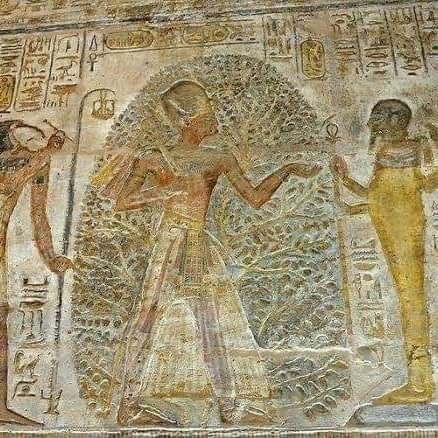
As the year ends, homes and streets worldwide are decorated with festive Christmas trees, symbolizing joy and celebration. Interestingly, the tradition of New Year's festivities and decorated trees can be traced back to ancient Egypt.
Wepet Renpet Festival
The ancient Egyptians celebrated the New Year during the "Wepet Renpet" festival, which translates to "the opening of the year." This event coincided with the heliacal rising of Sirius (Sopdet) and the annual flooding of the Nile, marking a time of renewal and rebirth.
EGYPT MYTHOLOGY
In Thebes, the second month of the Nile flood was eagerly awaited for New Year's celebrations. The festivities began with a grand procession from the Karnak Temple to the Luxor Temple, featuring the statues of Amun, Mut, and Khonsu. This journey spanned over two kilometers, reminiscent of the modern "Avenue of Sphinxes Procession" in Luxor.
The Christmas Tree's Egyptian Origins
The concept of the Christmas tree may have roots in ancient Egyptian traditions. According to scholar James Henry Breasted in "The Dawn of Conscience," the goddess Isis is associated with a tree symbolizing resurrection and eternal life. This connection led to annual celebrations where an uprooted tree was replanted, signifying rebirth.
William Nazir, in "Egyptian Customs Between Yesterday and Today," notes that Osiris, central to the legend of the struggle between good and evil, was believed to embody the force that provides life and sustenance. He was depicted with ears of grain sprouting from his body, symbolizing renewed life with a green tree. Each year, Egyptians held a grand festival, erecting and decorating a tree with ornaments, akin to today's Christmas tree traditions.
These ancient customs highlight the Egyptians' profound connection to themes of life, death, and rebirth, influencing contemporary celebrations in ways that continue to resonate today.
06/12/2024