On This Day in History: Emperor Hirohito of Japan Dies - 7 January, 1989
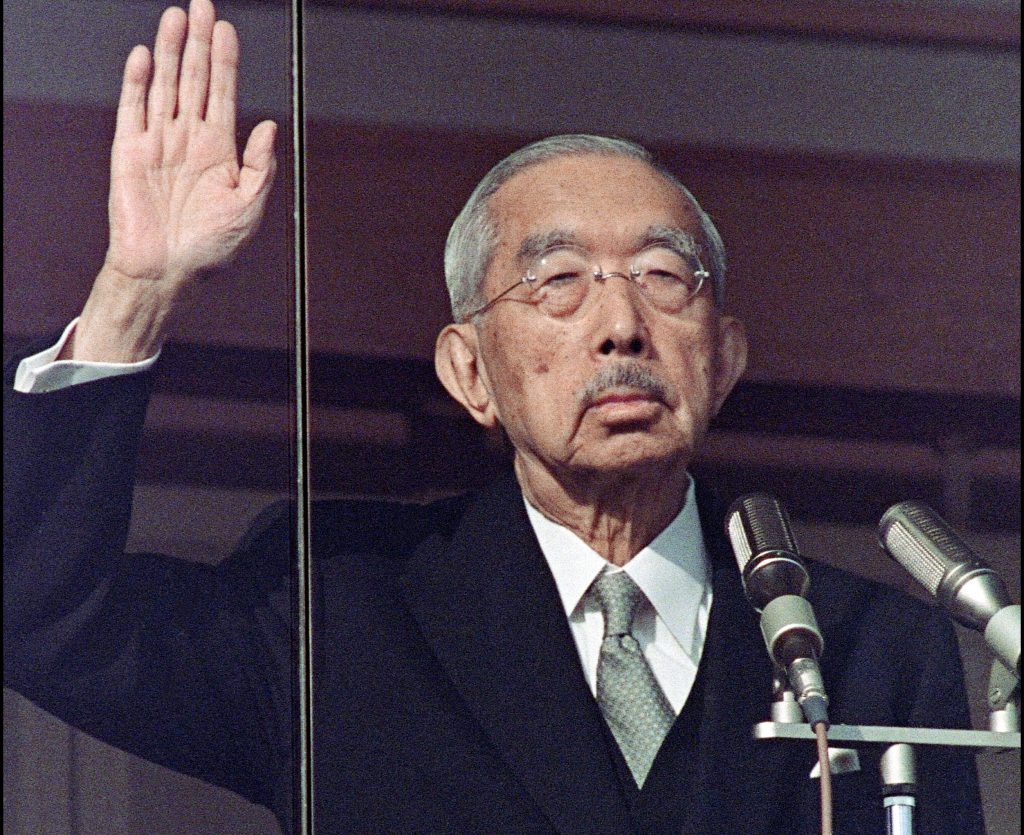
7 January, 1989, Emperor Hirohito of Japan passed away at the age of 87 after a prolonged illness. His death marked the end of the Shōwa era, a period spanning 62 years, making him the longest-reigning monarch in Japanese history at the time.
Hirohito's reign witnessed profound transformations in Japan, including its aggressive military expansion, defeat in World War II, postwar reconstruction, and emergence as a global economic power.
Hirohito’s Early Life and Ascension
Born on April 29, 1901, Hirohito was the eldest son of Emperor Taishō and became Japan's crown prince in 1916. He ascended to the throne on December 25, 1926, following the death of his father. His era was named Shōwa, meaning "Enlightened Peace," though his reign would see one of the most tumultuous periods in Japan's history.
Role in World War II
Hirohito’s legacy is deeply intertwined with Japan’s militaristic expansion during the 1930s and 1940s, culminating in World War II. While his exact involvement in wartime decisions remains a topic of debate among historians, Hirohito was the symbolic leader of Japan during its invasions of China, Southeast Asia, and its attack on Pearl Harbor in 1941.
After Japan's devastating defeat in 1945, Hirohito made an unprecedented radio address, known as the Gyokuon-hōsō ("Jewel Voice Broadcast"), announcing Japan’s surrender. In the speech, he urged the Japanese people to "endure the unendurable" and accept defeat to avoid further suffering.
Postwar Transformation
Following the war, Hirohito worked closely with the U.S.-led Allied Occupation, which reshaped Japan’s political and economic landscape. The 1947 Constitution stripped the emperor of political power, redefined him as a "symbol of the State and the unity of the People," and established Japan as a constitutional monarchy.
Hirohito dedicated the latter part of his reign to promoting science, culture, and international diplomacy. He became known for his interest in marine biology, publishing numerous scientific papers on the subject.
Death and Legacy
Hirohito died of cancer on January 7, 1989, at the Imperial Palace in Tokyo. His death marked the beginning of the Heisei era under his son, Emperor Akihito. Hirohito’s state funeral was attended by representatives from over 160 countries, reflecting Japan’s postwar integration into the international community.
While Hirohito remains a controversial figure due to his wartime role, he is also remembered for overseeing Japan’s transformation into a peaceful and prosperous nation.
07/01/2025