On This Day in History: The Establishment of the Republic of Kurdistan
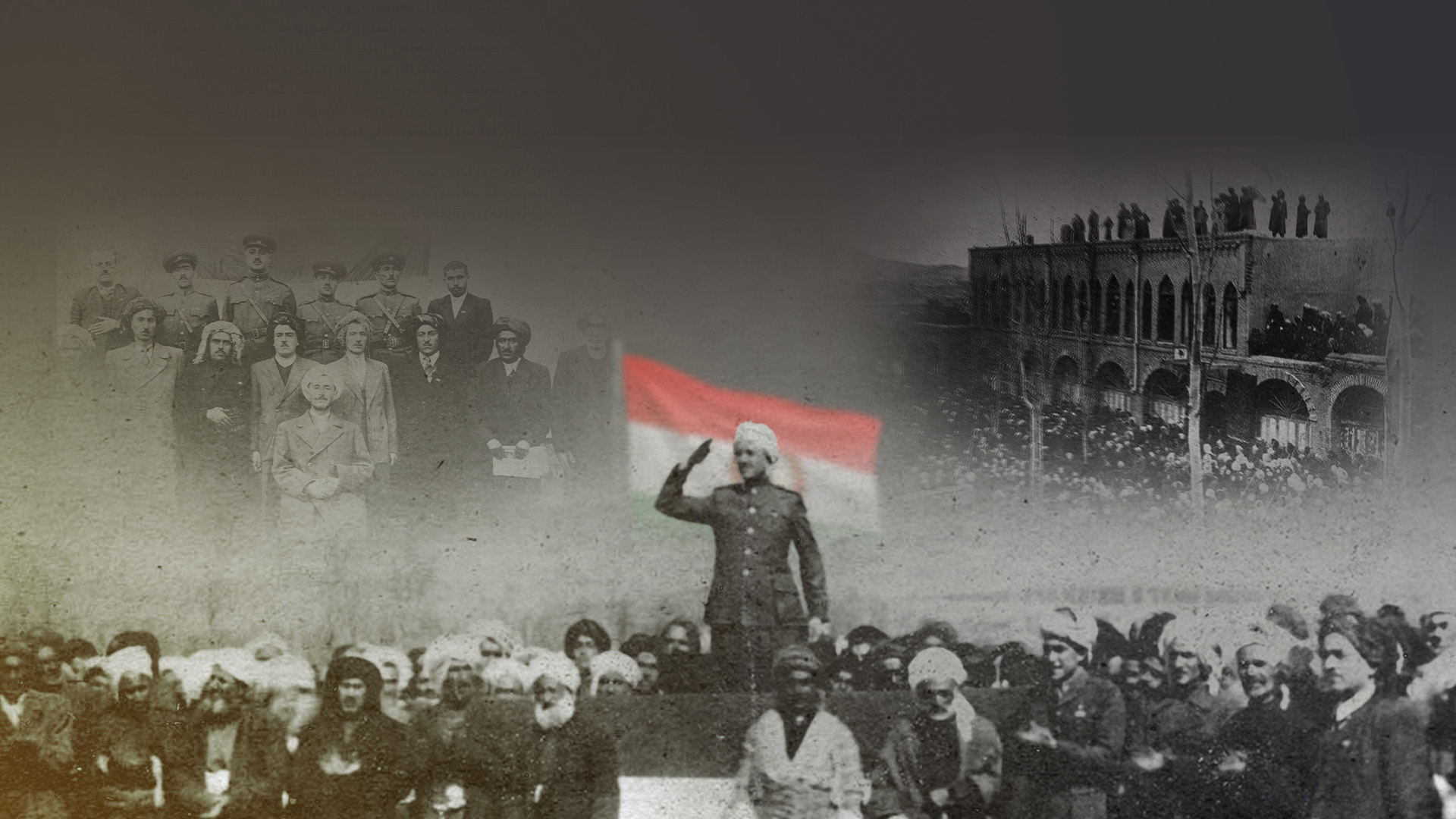
On January 22, 1946, Kurdish leader Qazi Muhammad proclaimed the Republic of Mahabad in east of Kurdistan, a groundbreaking moment in the Kurdish struggle for autonomy.
Also referred to as the Republic of Mahabad centered in the city of Mahabad, became a symbol of Kurdish aspirations for self-determination, though its existence lasted less than a year.
Qazi Muhammad: A Visionary Leader
Qazi Muhammad, born on May 1, 1893, in Mahabad, came from a prominent Kurdish family. His father was an influential figure in Kurdish resistance, and Qazi himself became a respected judge. By the mid-1940s, he emerged as a leader of the Kurdish nationalist movement, advocating for the cultural, linguistic, and political rights of the Kurdish people in Iran.
As World War II ended, geopolitical shifts provided a unique opportunity for the Kurds. With the Soviet Union occupying parts of northern Iran, including Mahabad, Kurdish leaders seized the moment to assert their autonomy. Qazi Muhammad, as the head of the Komala-i-Zhian-i-Kurd (Society for the Revival of Kurds), became the face of this movement, supported by both Soviet forces and the local Kurdish population.
The Republic of Mahabad: A Bold Experiment
The Republic of Kurdistan was officially declared in early 1946, with Qazi Muhammad serving as its president. The republic’s borders encompassed Mahabad and nearby cities such as Bukan, Piranshahr, Oshnavieh (Shno), Urmia, Khoy and Salmas, and Naghadeh.
Despite limited resources, the republic achieved remarkable strides. It became a hub for Kurdish cultural revival, promoting education in the Kurdish language, publishing Kurdish literature, and advocating for women’s education—a significant departure from traditional norms.
The republic established its own military force, the Peshmerga, and sought alliances with other Kurdish movements.
Geopolitical Pressures and the Republic's Collapse
The Republic of Kurdistan was caught in the crossfire of Cold War politics. While the Soviets initially supported the republic, their withdrawal from Iran in late 1946, under pressure from the United States and the Iranian government, left Mahabad vulnerable.
By December 1946, Iranian forces reoccupied Mahabad, dismantling the republic’s institutions. Kurdish-language schools were closed, printing presses destroyed, and books burned. Qazi Muhammad was arrested and, after a brief trial, executed by hanging in Mahabad on March 31, 1947, alongside other Kurdish leaders.
Legacy and Significance
Although short-lived, the Republic of Kurdistan left an indelible mark on Kurdish history. It was one of the first modern attempts to establish a Kurdish state and became a powerful symbol of Kurdish resistance and identity. Qazi Muhammad’s leadership and vision continue to inspire Kurdish movements across the region.
The republic also highlighted the geopolitical complexities of the Kurdish struggle, as the Kurds remain divided across multiple nations—Turkey, Iran, Iraq, and Syria—often at the mercy of shifting global alliances.
The Broader Kurdish Struggle
The fall of the Republic of Kurdistan underscored the challenges facing Kurdish aspirations for statehood. Despite repeated uprisings and movements, Kurds have yet to achieve an independent state. However, Mahabad remains a poignant reminder of the Kurdish people’s enduring quest for autonomy, justice, and recognition.
Today, the legacy of Qazi Muhammad and the Republic of Mahabad resonates not only among Kurds but also as a testament to the universal struggle for self-determination and cultural preservation.
22/01/2025