On This Day in History: 1965 – Winston Churchill’s Grand State Funeral, the Largest of Its Era - January 30, 1965
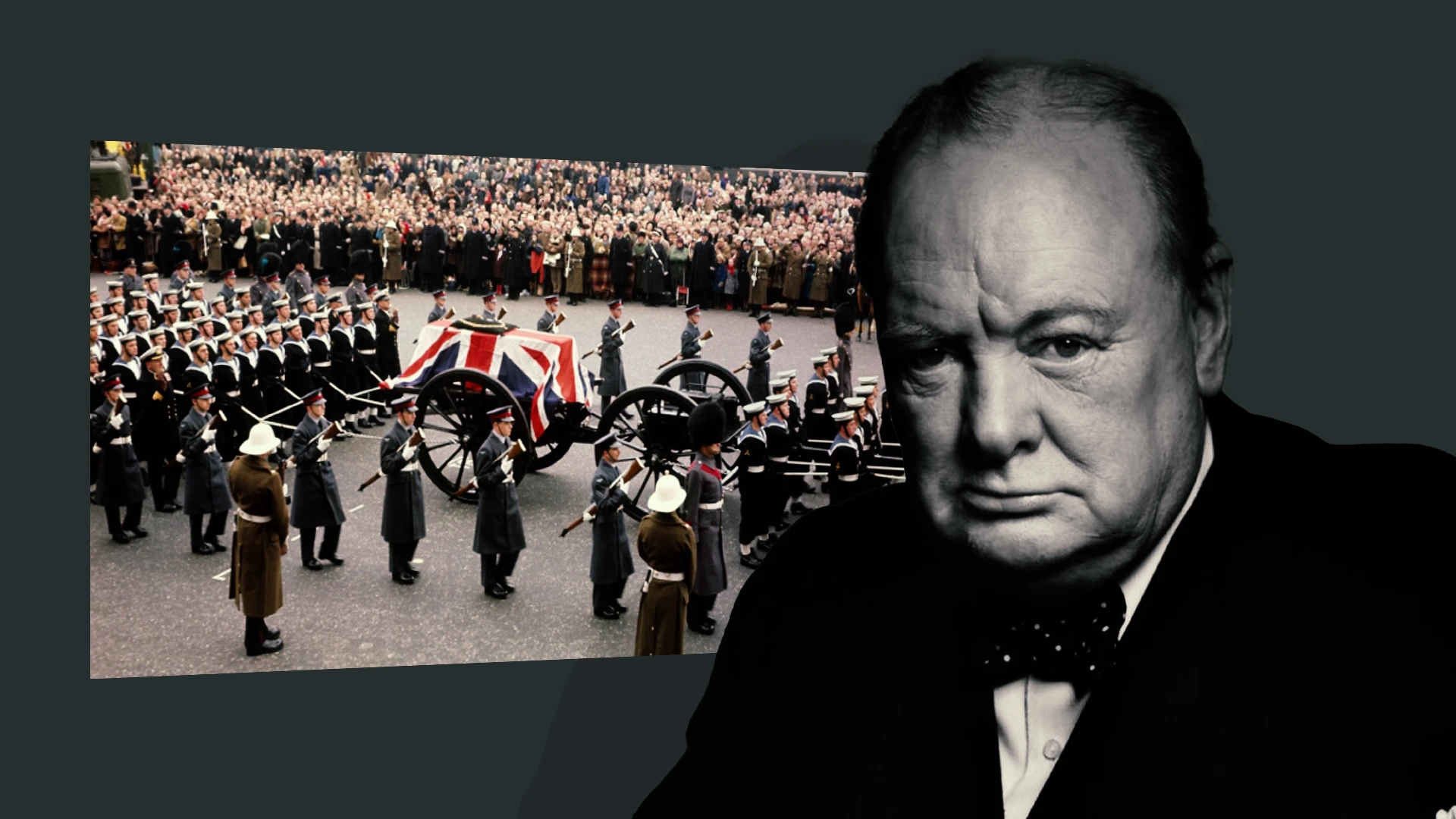
On January 30, 1965, Sir Winston Churchill, one of the most influential figures of the 20th century, was laid to rest in a grand state funeral at St. Paul's Cathedral in London.
This event, attended by world leaders and watched by millions, remains one of the largest and most significant state funerals in history.
A Nation Bids Farewell to Its Wartime Leader
Sir Winston Churchill, Britain’s Prime Minister during World War II, passed away on January 24, 1965, at the age of 90. His leadership during the war, particularly in rallying Britain against Nazi Germany, made him a global symbol of resilience and defiance. Upon his death, Queen Elizabeth II decreed that he be honored with a state funeral, a rare privilege usually reserved for members of the royal family. Churchill was the first commoner to receive such an honor since the Duke of Wellington in 1852.
The funeral arrangements, codenamed "Operation Hope Not," had been meticulously planned for years in anticipation of Churchill’s passing. The event was broadcast live to 350 million people worldwide, making it one of the most-watched events of the time.
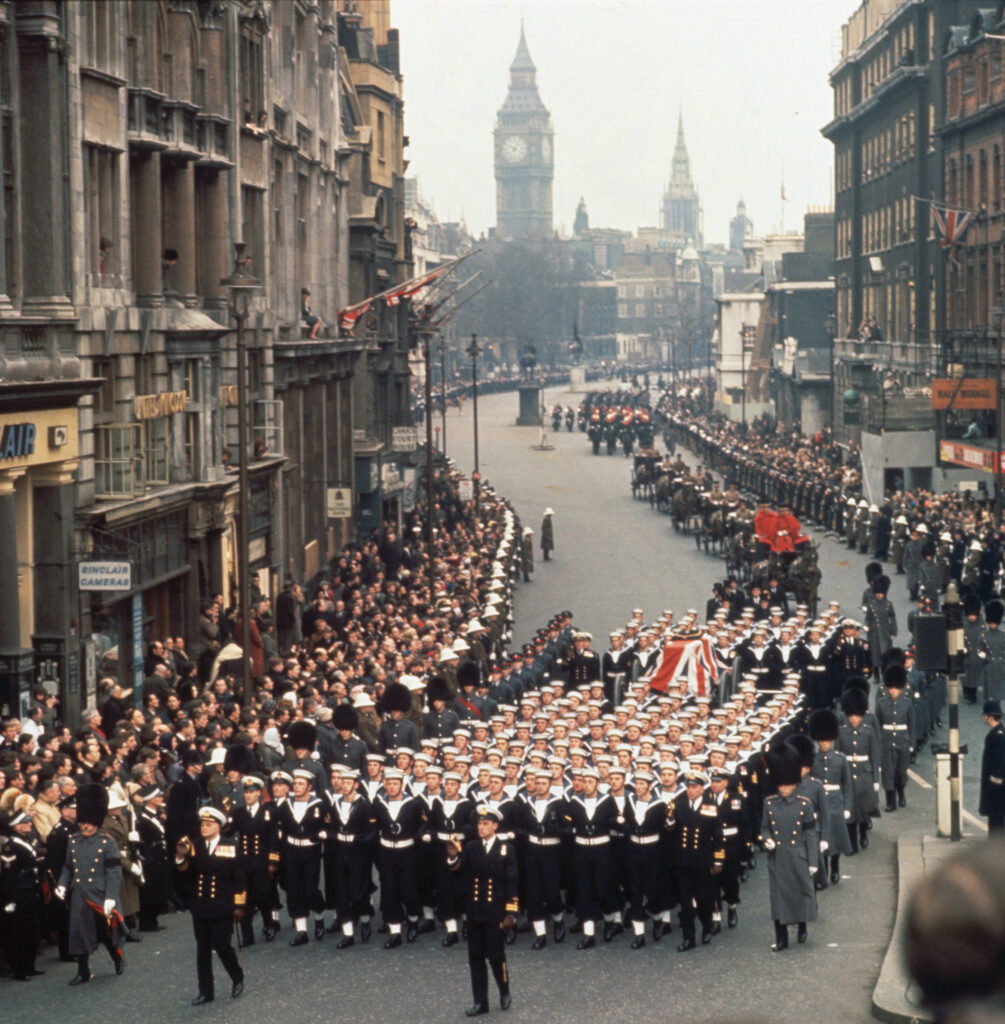
The Funeral Procession and Ceremonies
On the morning of January 30, Churchill’s coffin was transported from Westminster Hall to St. Paul’s Cathedral, passing through the streets of London lined with thousands of mourners. The procession was one of the largest in British history, featuring representatives from 112 nations, including six monarchs, 15 presidents, and 16 prime ministers. Notable attendees included:
Queen Elizabeth II, who granted Churchill the honor of a state funeral
U.S. President Lyndon B. Johnson’s representative, Secretary of State Dean Rusk
French President Charles de Gaulle
West German Chancellor Ludwig Erhard
Soviet Deputy Prime Minister Anastas Mikoyan
Inside St. Paul's Cathedral, an audience of over 3,000 dignitaries, family members, and guests gathered for the solemn service. In her tribute, Queen Elizabeth II broke royal protocol by arriving before the coffin, signifying the nation's profound respect for Churchill’s contributions.
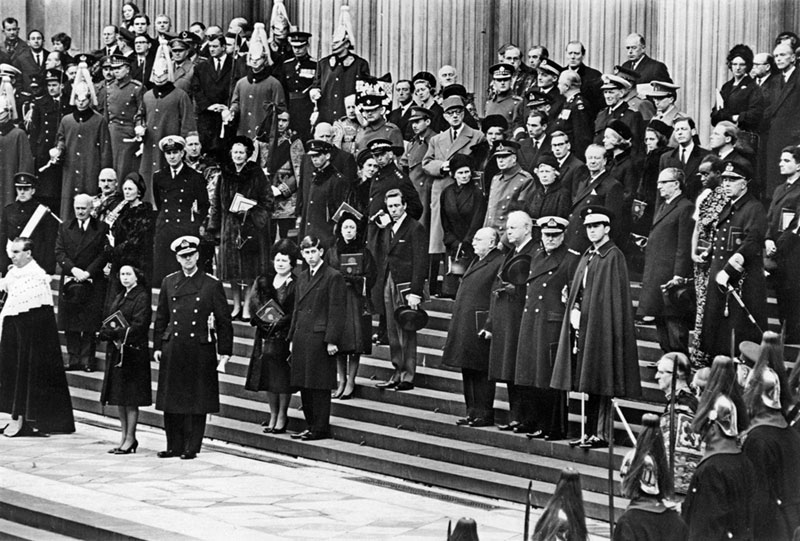
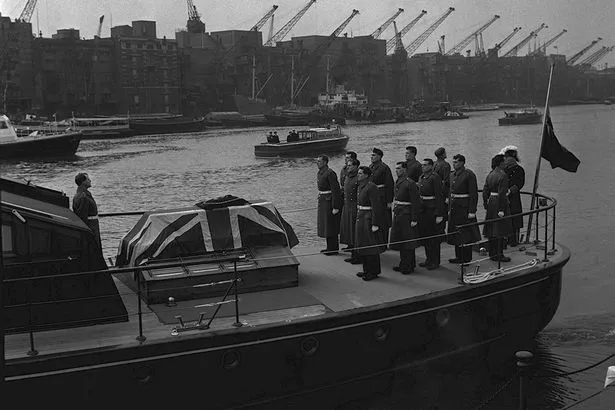
Final Journey: From London to Bladon
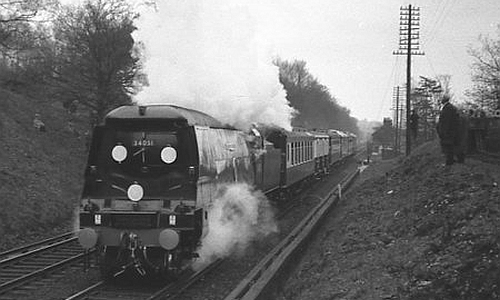
After the funeral service, Churchill’s coffin was transported by barge along the River Thames on the Havengore, with Royal Navy sailors saluting as it passed. This moment, captured on film, remains one of the most poignant images of the day. The journey then continued by train to Bladon, Oxfordshire, where Churchill was buried beside his parents near his birthplace, Blenheim Palace.
The train carrying his coffin was met with silent crowds standing along the tracks, paying their last respects to the man who had led Britain through its darkest hours.
Legacy and Impact
Churchill’s state funeral was more than just a national event—it was a global farewell to a wartime hero who had played a key role in shaping modern history. His speeches, leadership, and steadfast resolve during World War II solidified his place as one of Britain’s greatest statesmen.
Even decades later, Churchill’s influence endures. In 2002, he was voted "The Greatest Briton of All Time" in a BBC poll. His funeral remains a benchmark for state ceremonies, unmatched in scale and significance until the funeral of Queen Elizabeth II in 2022.
Sources:
The Churchill Archives Centre, University of Cambridge

.jpg)