The History and Tradition of Ramadan Lanterns in Egypt
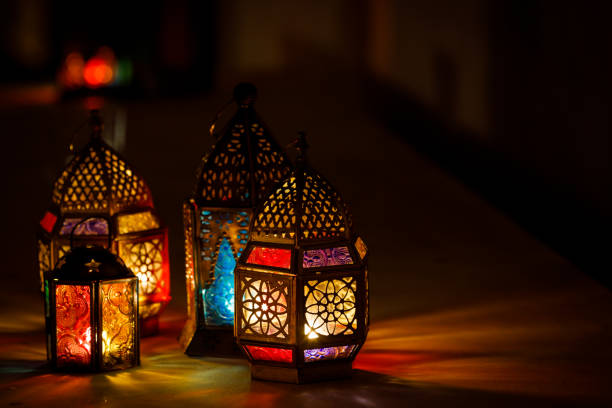
Egypt is known for its unique Ramadan atmosphere that is unmatched by any other country. During this holy month, streets and popular markets are adorned with beautiful decorations, with Ramadan lanterns in various shapes and colors at the heart of the celebrations.
These lanterns have become one of the most iconic symbols of Ramadan in Egypt, used to illuminate streets and homes and create a festive environment.
The Origin of the Ramadan Lantern
The word lantern is derived from a Greek term meaning any form of lighting known to the ancient Greeks, such as torches and lamps. However, the concept of the Ramadan lantern dates back to the era of the Fatimid state in Egypt and subsequently spread to other Arab countries.
The Story of the Lantern’s Appearance
According to historical accounts, the tradition of using lanterns during Ramadan began more than a thousand years ago in the era of the Fatimid state. One popular story suggests that when Al-Mu'izz li-Din Allah Al-Fatimi entered Cairo at night, coming from Morocco during Ramadan, Egyptians gathered to welcome him. Men, women, and children lined the streets carrying torches and decorated lanterns to light his path. This tradition continued throughout the month of Ramadan and eventually became a custom observed every year.
In a previous interview with Al Arabiya.net and Al Hadath.net, Dr. Abdul Rahim Rayhan, an Egyptian archaeological expert, confirmed this story. He explained that Egyptians have been familiar with the Ramadan lantern since the 15th of Ramadan 362 AH (972 AD), when Al-Mu'izz li-Din Allah arrived on the outskirts of Cairo to establish it as the capital of his state. The people of Cairo greeted him in the Giza desert with torches, lanterns, and cheers, marking the start of a tradition that continues to symbolize Ramadan celebrations.
From Lighting to Entertainment
Dr. Rayhan also pointed out that during the Fatimid state, the lantern's function evolved from a simple lighting tool to a source of entertainment. Children would roam the streets carrying lanterns, singing songs, and asking for sweets — a tradition that has been passed down through generations. The lantern became associated with children's games and famous Ramadan songs, such as "Wahwi Ya Wahwi".
A Tradition for Women’s Safety
There is another story that links the spread of lanterns to the era of Al-Hakim bi-Amr Allah Al-Fatimi. At that time, women in Cairo were forbidden from going out at night unless accompanied by a young boy carrying a lit lantern to signal their presence to passersby. This custom allowed women to move safely through the streets during Ramadan, contributing to the lantern's association with the holy month.
Additionally, some accounts suggest that the appearance of the Ramadan lantern was tied to the Musaharati — the traditional drummer who wakes people for Suhoor. Lanterns were hung on mosque minarets to announce the time for Suhoor, and children accompanied the Musaharati with their lanterns, adding to the festive atmosphere of the month.
Lighting Cairo’s Streets with Lanterns
Another historical account states that one of the Fatimid caliphs ordered the lighting of Cairo's streets throughout the nights of Ramadan. He instructed the sheikhs of mosques to hang lanterns with candles inside them. Over time, the lantern became an essential part of Ramadan decorations, surviving even after the fall of the Fatimid dynasty.
The Evolution of Lantern Manufacturing
The art of lantern-making flourished in Fatimid Cairo, becoming a vital aspect of daily life and Ramadan celebrations. Initially, lanterns were made from cheap tin, but the craft evolved, incorporating copper, colored glass, and wooden bases to enhance their beauty. Lanterns were initially lit with candles, then wicks and oil, and today they are produced in various forms using materials like arabesque wood, metal, copper, plastic, and even fabric known as tent cloth.
Over the centuries, the lantern has transformed from a simple lighting device to a symbol of joy and festivity during Ramadan. The tradition continues to thrive, with Egyptian streets glowing with lanterns of all shapes and sizes, reflecting the rich cultural heritage of Egypt and its enduring Ramadan customs.


![[Undefined encoding]](https://media.channel8.com/en/1793043071206-1792581456343-16hanar.jpg)