Syria’s Constitutional Declaration Sparks Debate Over Governance and Transitional Period
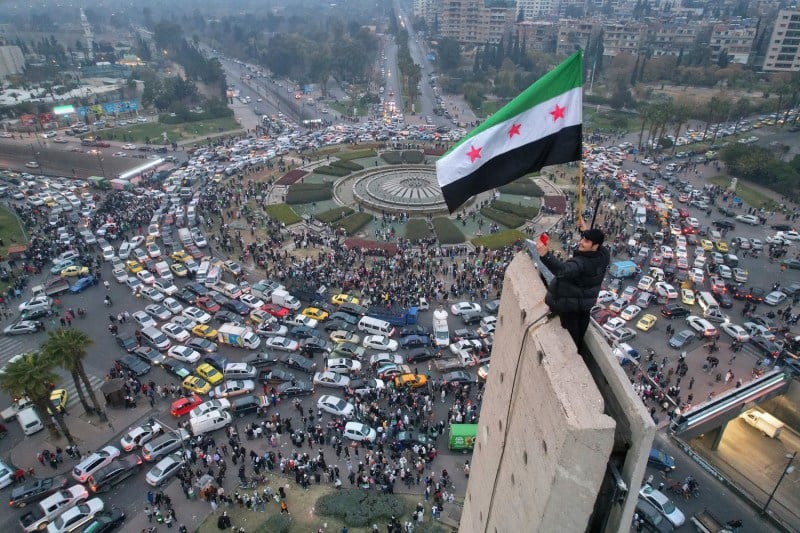
Ahmed Qorbi, a member of the Syrian Constitutional Declaration Drafting Committee, stated that disagreements over the declaration's text are expected, emphasizing that the document upholds the separation of powers and defines a five-year transitional period as necessary for stability.
Qorbi cautioned against rushing the transition, stressing that the declaration is temporary and serves to regulate authority during an exceptional period. He also noted that Syria is not yet ready for elections, asserting that the people will ultimately judge the president and parliament.
Key Provisions of the Draft Constitutional Declaration
State Identity: The country will retain the name Syrian Arab Republic.
Religion and Legislation: The head of state must be Muslim, and Islamic jurisprudence will remain the primary source of legislation.
Freedom of Expression: The declaration guarantees freedoms of speech, media, publishing, and the press.
Legislative Oversight: The People’s Assembly will have the authority to summon and question ministers.
Property and Women’s Rights: The draft protects property ownership and guarantees women’s rights to work and education.
Executive Authority: The People’s Assembly will have the power to remove, dismiss, or limit the president’s powers.
Judicial Reforms: The Constitutional Court will be dissolved.
Transitional Period: The five-year transitional period will remain in effect.
State of Emergency: Declaring an emergency requires approval from the National Security Council, with extensions subject to parliamentary approval.
The declaration follows interim President Ahmad al-Sharaa’s pledge on January 29 to introduce a new constitutional framework, form a preparatory legislative council, and dissolve the existing People’s Assembly.
13/03/2025