Polar Bear Fur Holds the Key to Ice-Resistant Technology, Scientists Say
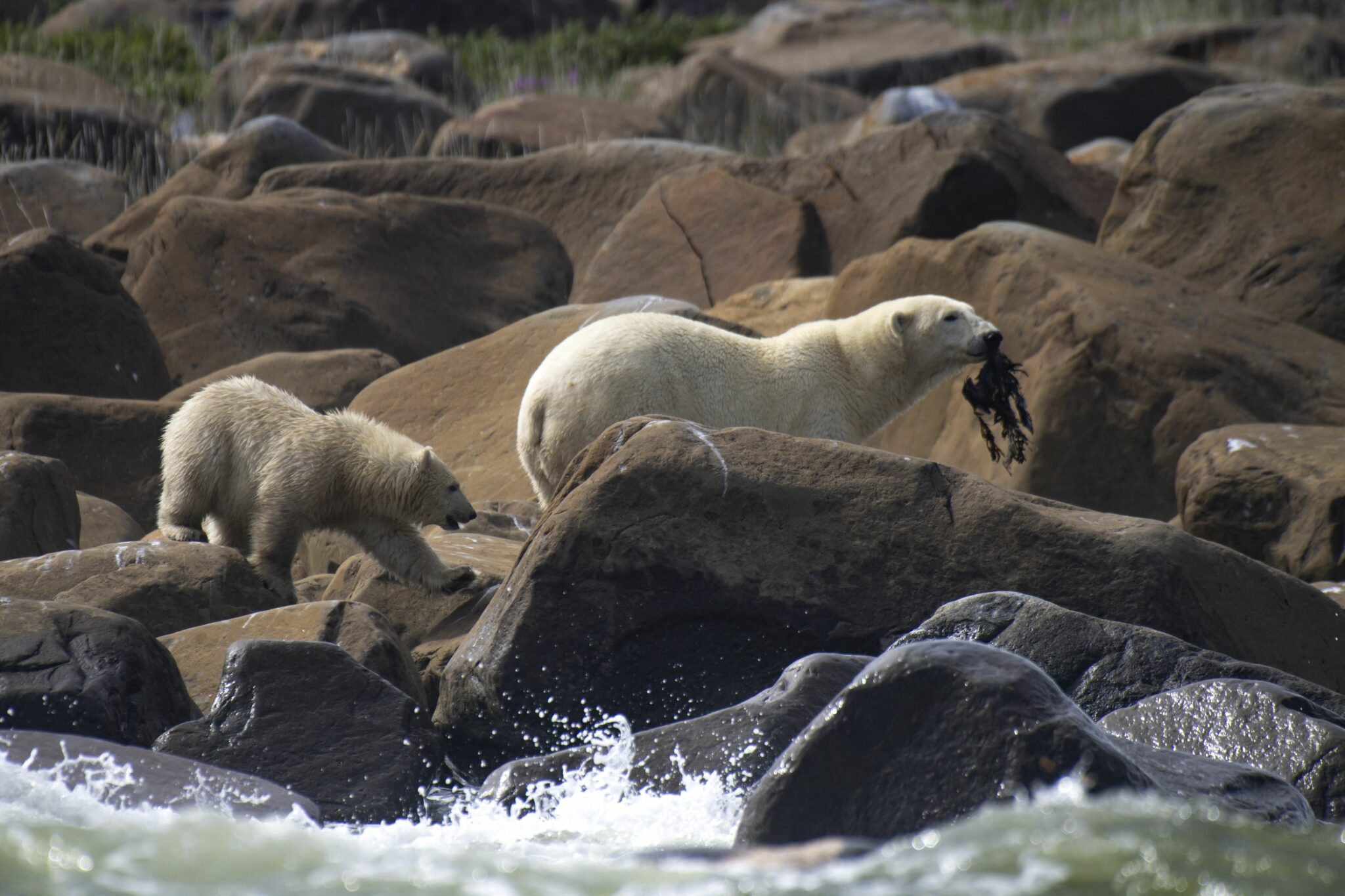
A breakthrough discovery about polar bear fur could revolutionize de-icing technology across multiple industries, from aviation and renewable energy to power grids and infrastructure.
A study led by researchers at the University of Surrey, in collaboration with international institutions, has identified a unique biochemical adaptation in polar bear sebum (skin oil) that prevents ice from sticking to their fur.
The findings, published in Science Advances, suggest that mimicking this natural defense mechanism could lead to the development of more effective and sustainable anti-icing coatings, eliminating the need for harsh chemicals or energy-intensive de-icing methods.
The Secret in Polar Bear Fur: Ice-Repelling Lipids
Despite living in brutal Arctic conditions, where temperatures plummet below -40°C (-40°F), polar bears remain ice-free. Scientists have long wondered why, and now, biochemical research has revealed the answer.
The study found that polar bear fur secretes a specialized blend of cholesterol and diacylglycerols, which actively repels ice formation. These compounds exhibit low adsorption energy, meaning they prevent ice from bonding to the fur—a mechanism unseen in other Arctic animals.
What Makes This Biochemical Adaptation Unique?
Absence of Squalene – Unlike other marine mammals, such as seals and whales, polar bear fur lacks squalene, a lipid known to strongly adhere to ice. The absence of squalene gives the fur superior ice-shedding properties.
Active Ice Prevention – Traditional water-repellent materials delay ice formation but don’t actively prevent adhesion. The lipids in polar bear fur disrupt ice bonding at a molecular level.
Performance Comparable to Industrial Coatings – When tested in controlled environments, untreated polar bear fur performed as effectively as fluorocarbon coatings, which are used in aircraft and wind turbine de-icing systems.
“It’s fascinating to see how evolution has fine-tuned the composition of polar bear fur to avoid ice adhesion,” said Dr. Marco Sacchi, Associate Professor at Surrey’s School of Chemistry and Chemical Engineering.
“Through quantum chemical simulations, we found that the absence of squalene significantly enhances ice-shedding properties, allowing polar bears to survive in extreme Arctic conditions.”
A New Frontier for Anti-Icing Technology
This discovery has far-reaching implications for industries struggling with ice buildup, including:
Aviation: Could lead to self-cleaning aircraft coatings that reduce de-icing costs and fuel consumption.
Renewable Energy: Wind turbine blades could be coated with biomimetic materials to prevent ice-related energy losses.
Infrastructure: Power lines and bridges could benefit from long-lasting, eco-friendly de-icing solutions.
Lab Testing Confirms Effectiveness
When researchers removed the fur’s natural oils, ice adhesion increased by 400%, proving that polar bear lipids are essential in preventing ice buildup.
Indigenous Knowledge Meets High-Tech Science
For centuries, Indigenous Arctic communities, including Inuit populations, have recognized the unique properties of polar bear fur, using it in clothing and tools to resist freezing conditions.
This study integrates traditional knowledge with modern computational chemistry, bridging natural wisdom with cutting-edge scientific innovation. The international research collaboration included:
University of Surrey (UK) – Lead computational chemistry team
Norwegian Polar Institute
University of Bergen (Norway)
Trinity College Dublin (Ireland)
University College London (UK)
National Museum of Denmark
“Our findings highlight the power of interdisciplinary research. By combining computational chemistry, experimental evidence, and Indigenous insights, we’ve uncovered a natural defense mechanism that could change the way we combat ice in real-world applications,” Dr. Sacchi concluded.
The Future of Ice-Resistant Materials
With climate change increasing the risks of ice-related hazards, this biomimetic breakthrough could lead to next-generation coatings for industries that rely on safe, efficient ice management.
Next Steps: Scientists are now exploring synthetic versions of polar bear lipids to develop commercial anti-icing materials.
Potential Applications: Within the next decade, bio-inspired coatings could replace toxic de-icing chemicals, making transportation and energy production safer and more sustainable.
Nature’s Blueprint for Innovation
Polar bear fur is proving to be more than just a survival adaptation—it may hold the key to solving one of the biggest engineering challenges of modern times.
20/03/2025