Hamas Accepts New Ceasefire Proposal as Israel Submits Counteroffer for Gaza Truce
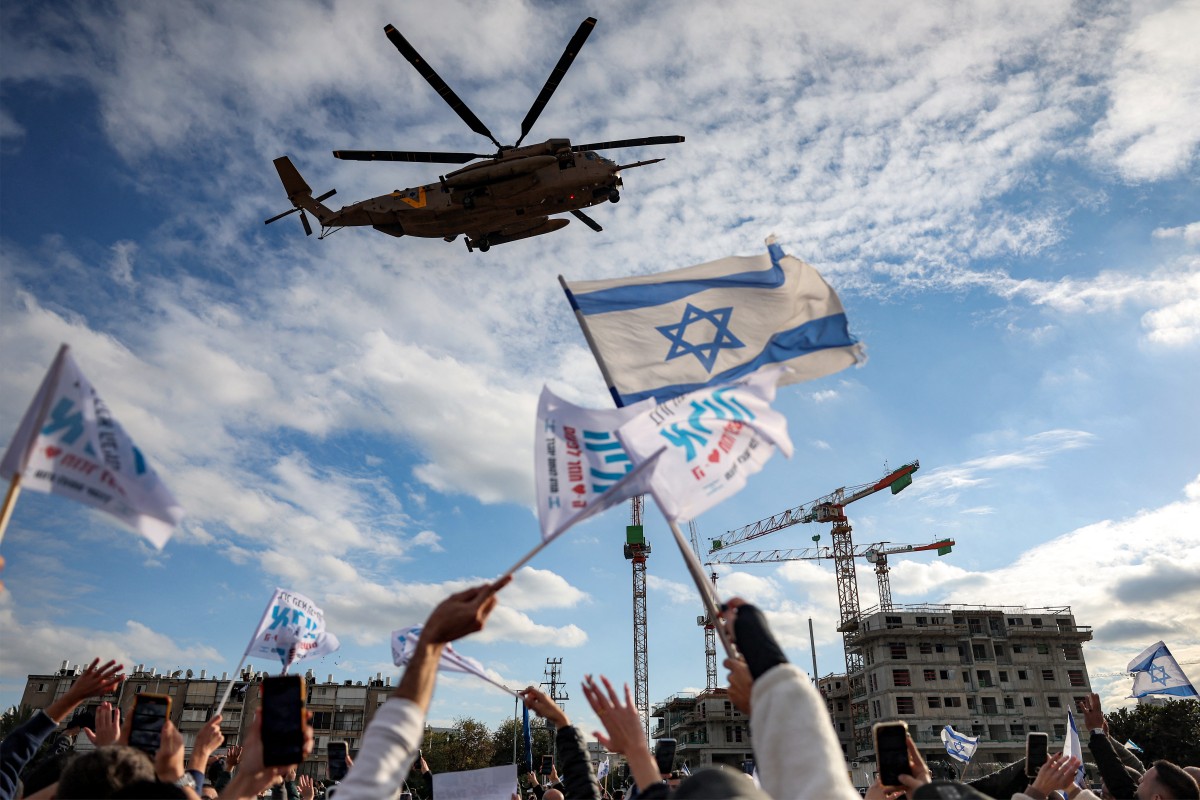
In a potential breakthrough for stalled peace efforts, Hamas leader Khalil al-Hayya announced Saturday that the movement has accepted a new ceasefire proposal from Egyptian and Qatari mediators, while Israel simultaneously presented a counterproposal amid intensified diplomatic efforts to end the Gaza conflict.
Key Developments:
Hamas Acceptance: The group agreed to a mediator-backed truce plan received two days prior, calling it a "positive step" while maintaining that disarmament remains a red line.
Israeli Counterproposal: Prime Minister Benjamin Netanyahu's office confirmed a new Israeli offer, coordinated with the U.S., following Friday consultations.
Doha Talks Resume: Behind-the-scenes negotiations between Hamas and mediators restarted Thursday in Qatar, per AFP sources.
Details of Egypt’s Proposed Deal
According to Associated Press reports from Egyptian officials:
Hostage Release: Hamas would free 5 living captives, including an American-Israeli dual national.
Israeli Concessions: A 7-day ceasefire and increased humanitarian aid access to Gaza.
Prisoner Exchange: Israel would release hundreds of Palestinian detainees.
Why Previous Truces Failed
The January 2025 agreement—brokered by Egypt, Qatar, and the U.S.—collapsed due to:
Dispute Over Phases: Israel demanded extending Phase 1 (limited hostage releases), while Hamas insisted on progressing to Phase 2 (permanent ceasefire terms).
Broken Commitments: The 42-day truce saw Hamas release 30 living hostages and 8 bodies, with Israel freeing 1,900 Palestinian prisoners—but talks stalled as trust eroded.
Sticking Points Ahead
Hamas’s Weapons: Al-Hayya’s statement underscores the group’s refusal to disarm voluntarily.
Netanyahu’s Demands: Israel continues to insist on military operations until Hamas is "dismantled".
International Pressure: The U.S. and Arab mediators push for a deal before Ramadan (March 10) to prevent escalation.
Geopolitical Context
Egypt’s Mediation Role: Cairo remains pivotal in bridging gaps, leveraging its intelligence channels with Hamas and diplomatic ties to Israel.
U.S. Involvement: Washington’s coordination with Israel suggests heightened urgency to secure remaining American hostages.
Qatar’s Influence: Doha’s Hamas connections and financial leverage make it a critical negotiator.
Key Takeaways
- Cautious Optimism: Hamas’s acceptance marks progress, but devil’s in the details.
- Phased Approaches: Past failures show timelines and sequencing are deal-breakers.
- Regional Stakeholders: Egypt, Qatar, and the U.S. hold sway over both parties.
29/03/2025