Iraq Emerges as Global Mineral Powerhouse with $16 Trillion in Natural Resources
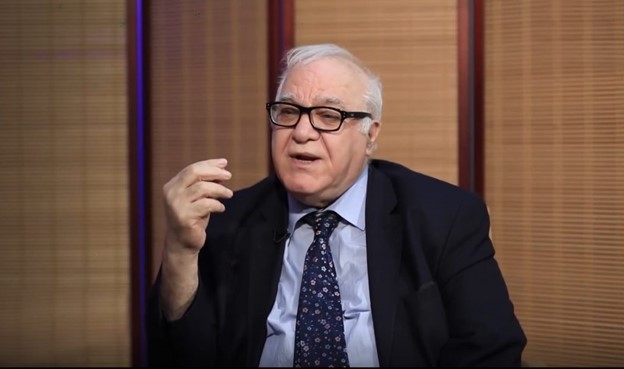
Prime Minister’s financial advisor, Mazher Muhammed Salih, announced on Friday that Iraq holds the ninth position globally among the world’s most resource-rich nations.
He highlighted the country’s vast reserves of strategic minerals as a key opportunity for future economic growth, with potential revenues rivaling those from oil.
"Iraq ranks ninth among the world's top ten countries in terms of natural wealth, with an estimated value of at least $16 trillion in minerals and metals," Salih told the Iraqi News Agency (INA).
He further noted that Iraq leads the world in the concentration of natural resources per square kilometer, particularly in the Mesopotamia Basin. This region is believed to contain an abundance of underground minerals yet to be fully tapped.
Salih emphasized the economic significance of investing in strategic elements like thorium and uranium. “Thorium, in particular, stands out as a cleaner and more viable energy source than uranium. Investing in these could generate revenue on par with oil,” he said. He also mentioned that integrating these resources into Iraq’s value-added production chains could strengthen the national currency and contribute to GDP growth.
Recent discoveries of large thorium and uranium deposits in southern Iraq represent what Salih described as “strategic news.” He believes these findings could play a crucial role in diversifying Iraq’s economy—especially if aligned with the broader objectives of the Development Road initiative.
Advancing exploration and industrialization efforts around these minerals, Salih argued, would not only reduce Iraq’s reliance on oil but also enhance its position on the global economic stage. This would attract major international mining corporations, stimulate the domestic job market, and support long-term sustainable development.
He also stressed the positive implications for Iraq’s fiscal and monetary policy. “Mineral investment will boost monetary stability, raise national income, and ultimately improve the standard of living for Iraqi citizens,” he said.
Given the strategic value of thorium and uranium in the global energy market—and the interest of key partners such as India, China, and the United States—Salih concluded that Iraq is poised to become a vital player in the future of unconventional energy and global energy security.
18/04/2025