Hollywood Cringes at Trump’s Tariff Plan: “He's Killing Us,” Say Cannes Producers
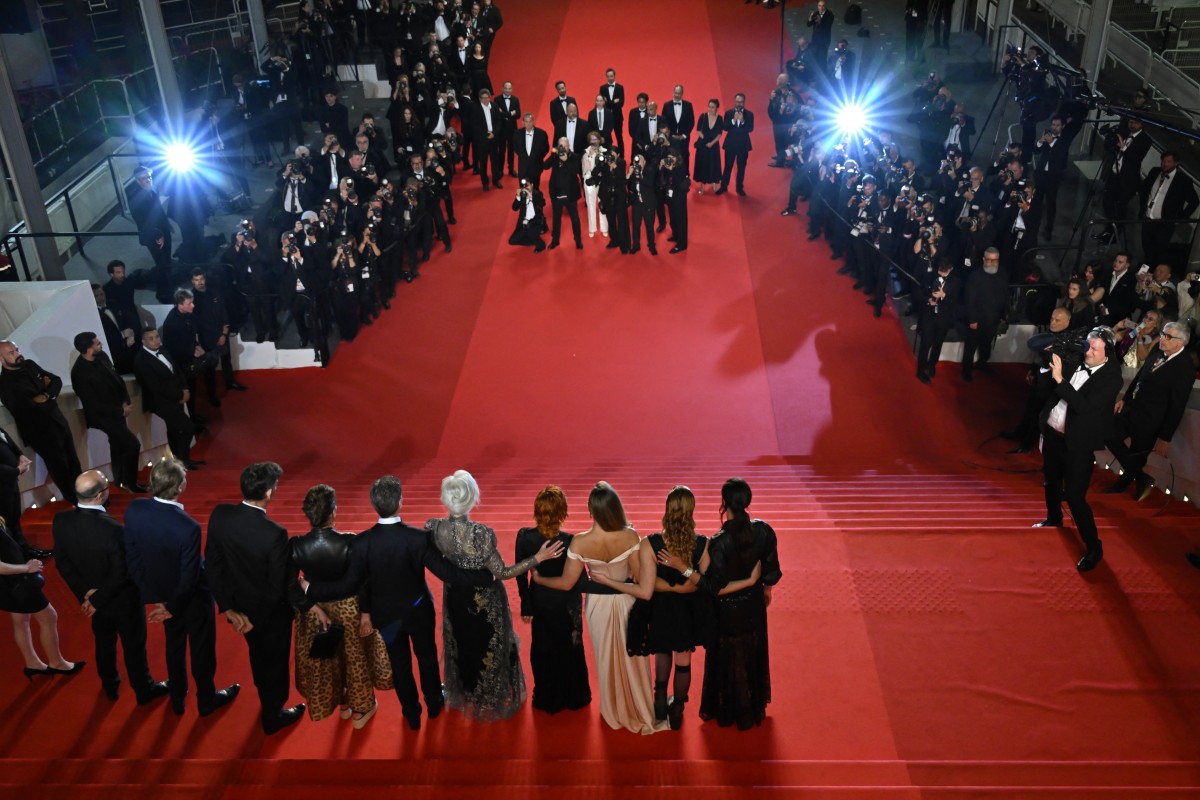
Donald Trump’s proposal to slap 100-percent tariffs on films produced abroad is stirring deep concern at the Cannes Film Festival — even among industry figures who once backed him.
Unlike actor Robert De Niro, who lambasted Trump as “America’s philistine president” during the festival's opening, many U.S. producers at Cannes insisted their concerns are not political. But they see the idea as a potentially devastating blow to an already fragile film industry.
“A lot of people are out of work right now, and this is not going to make it better,” said Scott Jones, head of Artist View Entertainment, who is in Cannes promoting The Legend of Van Dorn, a Civil War epic shot in Tennessee. “There needs to be method to the madness.”
Trump's call for tariffs was ostensibly aimed at combating the growing trend of "runaway productions" — U.S. films being shot overseas. But even his allies in Hollywood are pushing back. Actors Jon Voight and Sylvester Stallone, who have been described as Trump's "special ambassadors" to the film industry, co-signed a letter this week thanking him for addressing the issue, but urging him to pursue tax breaks instead of tariffs.
"More than 80 countries offer production tax incentives and as a result, numerous productions that could have been shot in America have instead located elsewhere," a broad coalition of Hollywood producers, writers, and directors emphasized in a public statement.
A striking example is Mission: Impossible – The Final Reckoning, the biggest U.S. movie at Cannes this year — much of it was filmed in the UK and South Africa.
“Hollywood movies are made all over the world,” said Louise Lantagne, head of Quebecreatif, which supports Canada’s film sector. She noted that for decades, American producers have shot films in Canada “because we are cheaper and we have tax credits, great facilities, and really top technical talent.”
Lantagne warned: “Of course it is going to be hell if [tariffs] happen,” but added, “for the moment it is just a tweet — even if everyone is really stressed by these declarations.”
Some believe the idea is simply unworkable. “Tariffs are legally and technically impossible without changing the law in Congress, which doesn’t look likely,” said Monique White of California Pictures. She suspects Trump will quietly abandon the proposal.
But others say the damage is already being felt. “He’s killing us,” said one veteran producer who voted for Trump twice but asked to remain anonymous. “Investors, particularly foreign ones, don’t want to get burned down the line. The threat alone has been catastrophic for confidence.”
Even if the tariff plan somehow clears legal and political hurdles, its implementation could be chaotic. “It would be a bureaucratic nightmare to rule on what is a U.S. film,” Lantagne pointed out, since modern productions are often financed and staffed internationally.
16/05/2025