Houston, Dallas, and 23 Other U.S. Cities Face Sinking Threat from Land Subsidence and Climate Change
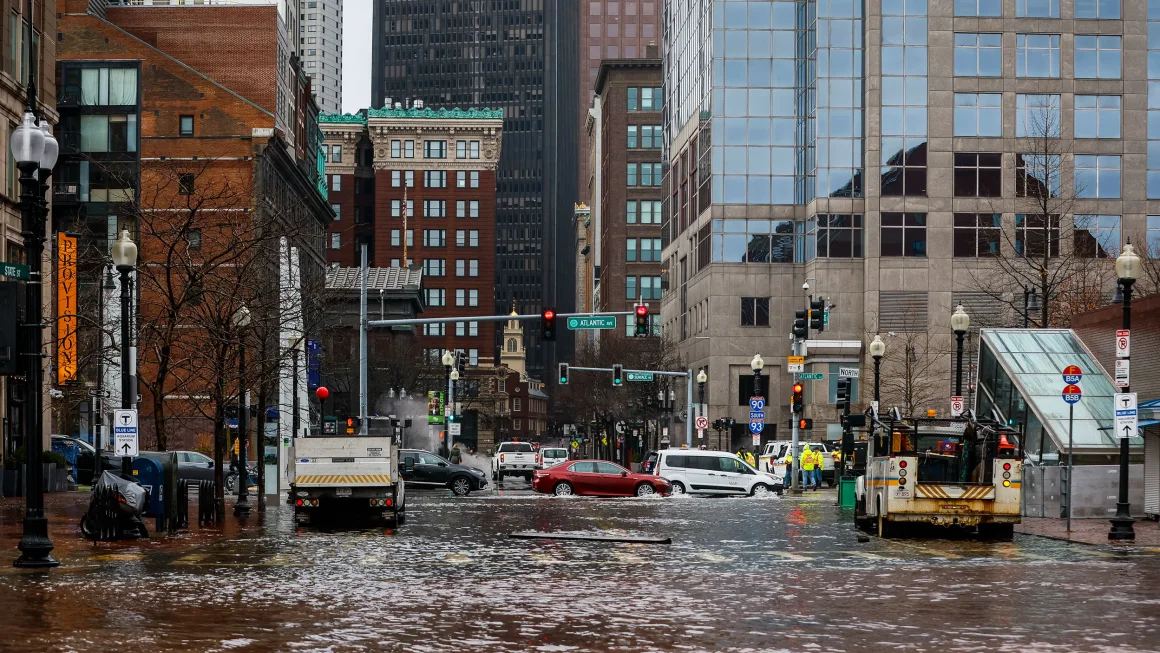
Houston, one of America’s most historic and populous cities, could face complete submersion within years, according to a new study reviewed by Channel8 English and published by the Financial Times.
The alarming findings identify 25 U.S. cities—alongside numerous global urban centers—at high risk of sinking due to land subsidence, a slow geological process intensified by climate change, groundwater depletion, and urban development.
“The problem of land subsidence affects not only coastal cities with rising seas, but also inland urban areas where the land is slowly collapsing,” the study concluded.
Researchers warn that subsiding land, combined with rising sea levels, poses a double threat to cities like Houston, Fort Worth, and Dallas, with some areas sinking more than 10 millimeters per year.
How Land Subsidence Happens
The study attributes the ground collapse to multiple factors:
-Excessive groundwater extraction, which hollows out sediments below the surface
-Heavy urban infrastructure, adding weight above weakened earth
-Climate-induced droughts, increasing demand for water and worsening ground instability
-This phenomenon threatens critical infrastructure, including:
-Buildings and bridges
-Sewage systems
-Water-holding aquifers, which become less effective as the ground compacts
While land subsidence progresses slowly—often just a few millimeters per year—its long-term impact can be devastating and irreversible.
Houston Among the Worst-Affected
The study, led by Leonard Ohnen of Columbia University’s Lamont-Doherty Earth Observatory and researchers from Virginia Tech, used Sentinel-1 radar satellite data from 2015 to 2021 to analyze vertical land movement in 28 of the most populous U.S. cities. The results revealed that 25 cities are sinking, including:
-Houston
-Fort Worth
-Dallas
Houston, in particular, was highlighted for parts of the city subsiding at rates exceeding 10mm per year, among the fastest in the U.S.
Global Submergence Hotspots: Jakarta, Tehran, and Beijing
The problem is not limited to the U.S. Major global cities facing even worse subsidence include:
Jakarta, Indonesia – sinking up to 15 cm per year, prompting the creation of a new capital, Nusantara
Tehran, Iran – some areas sinking by 31 cm annually, damaging infrastructure and sparking talk of moving the capital
Mexico City – long plagued by chronic subsidence due to aquifer depletion
Beijing and dozens of other Chinese cities, which are also heading toward dangerous ground loss
A 2024 research paper cited in the Financial Times estimated that nearly two billion people worldwide now live in areas vulnerable to subsidence, calling it a “global submergence crisis.”
Technology and Policy Response Needed
The study urges that radar satellite systems, such as those used in the research, be widely adopted to track vertical land motion. It also calls for:
-Stronger water management policies
-Urban planning reforms
-Infrastructure reinforcement in vulnerable areas
“Just because land subsidence is slow doesn’t mean it should be ignored,” the researchers wrote.
With global warming accelerating sea-level rise, combining with land that is already collapsing, experts warn of more frequent flooding, sinkholes, and long-term infrastructure failure unless immediate measures are taken.
16/05/2025