Massive Password Leak Highlights Urgent Need for a Passwordless Future
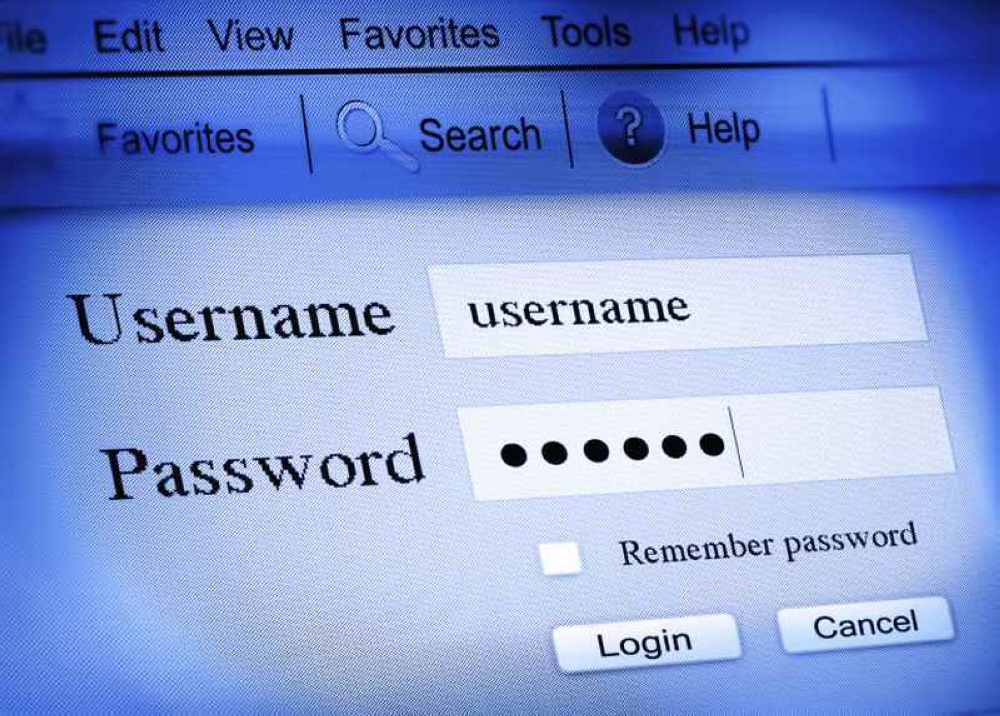
A recently discovered data breach has exposed over 184 million passwords linked to major platforms including Microsoft and Google, underscoring the urgent need to abandon traditional password systems in favor of passwordless authentication.
Cybersecurity researcher Jeremiah Fowler uncovered an unprotected online database containing login credentials for countless services—including social media accounts, banking portals, and tech giants like Apple, Facebook, Instagram, and Snapchat. The findings were first reported by Android Headlines.
Plain Text Passwords Left Exposed
Disturbingly, the database was not encrypted, meaning anyone who accessed the server could easily read the usernames and passwords in plain text.
Fowler suspects the credentials were collected using info-stealing malware, a type of malicious software that harvests login information from compromised websites and servers. He immediately notified the hosting provider, which then removed public access to the database. However, because the provider declined to disclose customer information, it remains unclear whether the breach was part of criminal activity or security research.
Google and Microsoft Accounts Among the Victims
The leaked credentials affect users of major tech firms, including Microsoft, Google, and Apple. This breach serves as a powerful example of how password-based systems continue to be vulnerable—even when protected by traditional methods like two-factor authentication or one-time passwords.
Why It's Time to Go Passwordless
This alarming leak strengthens the case for a passwordless future.
Many companies have already begun transitioning to passkeys, a modern security method that authenticates users based on biometric data—like fingerprint or facial recognition—rather than relying on traditional passwords.
Unlike passwords that can be guessed or phished, biometric-based authentication is extremely difficult to spoof, offering a higher level of protection against cyberattacks.
With smartphones now routinely equipped with secure biometric systems, passkeys are poised to become the default standard for login security across industries.
29/05/2025