WWDC 2025: Apple Launches iOS 26, Expands AI Integration Across Devices
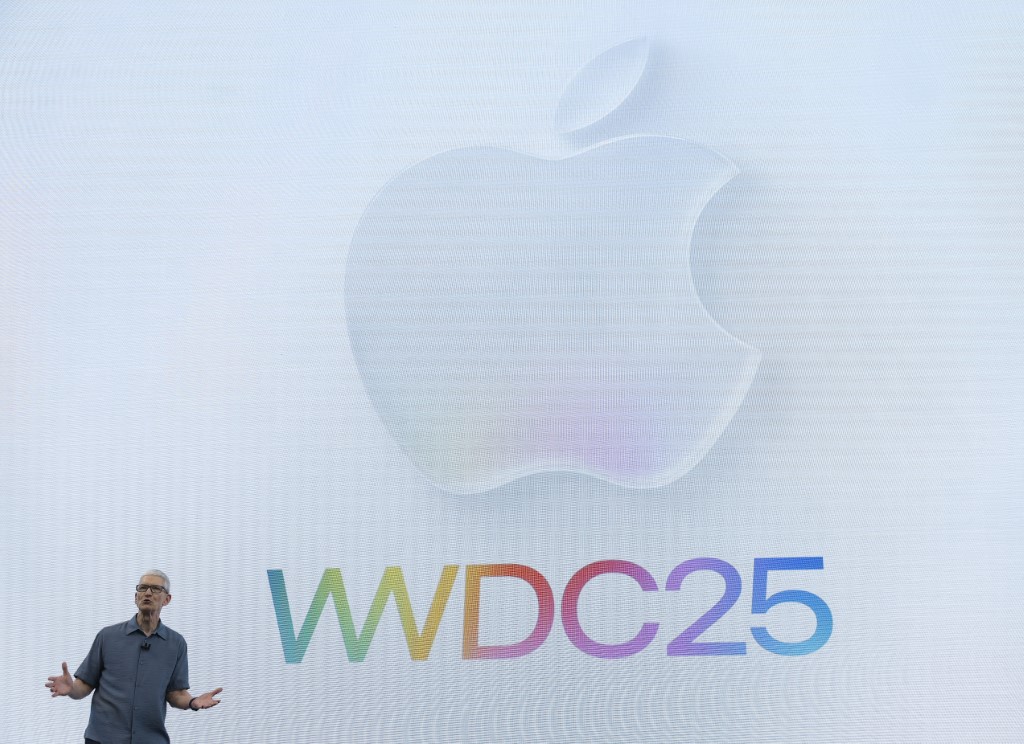
At its annual Worldwide Developers Conference (WWDC), Apple unveiled a range of software updates that bring new artificial intelligence (AI) features to its ecosystem.
While the company introduced enhancements to the iPhone, iPad, Mac, and Vision Pro, analysts noted the tech giant largely played catch-up with rivals like Google and Samsung.
Apple announced its new operating systems—iOS 26, iPadOS 26, macOS 26, and others—will roll out this fall. Among the AI-powered tools were live call translations, smarter spam detection, customizable Genmojis, image-based search, and Siri improvements. However, most features echoed existing tools already present on Android platforms, raising concerns about Apple’s innovation trajectory in the AI space.
Apple also previewed updates to its Vision Pro headset, including enhanced spatial app memory and new entertainment features. The iPad gained more flexible multitasking, while Apple Watch users will benefit from gesture-based controls and ambient sound awareness.
One standout was the upcoming integration of Apple Intelligence across all major devices, though the rollout will initially be limited to newer models like the iPhone 15 Pro. The company emphasized privacy, stating that no data would be shared with third-party models like ChatGPT or Google Gemini without user consent.
Despite efforts to unify its ecosystem and brand the updates under a sleek “Liquid Glass” design overhaul, critics say Apple’s AI strategy still lacks a bold, original direction.
Apple’s stock remained stable following the event, as Wall Street continues to assess whether these features will drive hardware upgrades in an increasingly saturated smartphone market.
More details on Apple’s AI ambitions, including a long-awaited Siri overhaul, are expected later this year.
10/06/2025