Iraqi Oil Ministry Report: Drone Attacks Slash Kurdistan Region’s Oil Production to 81,000 Barrels Per Day
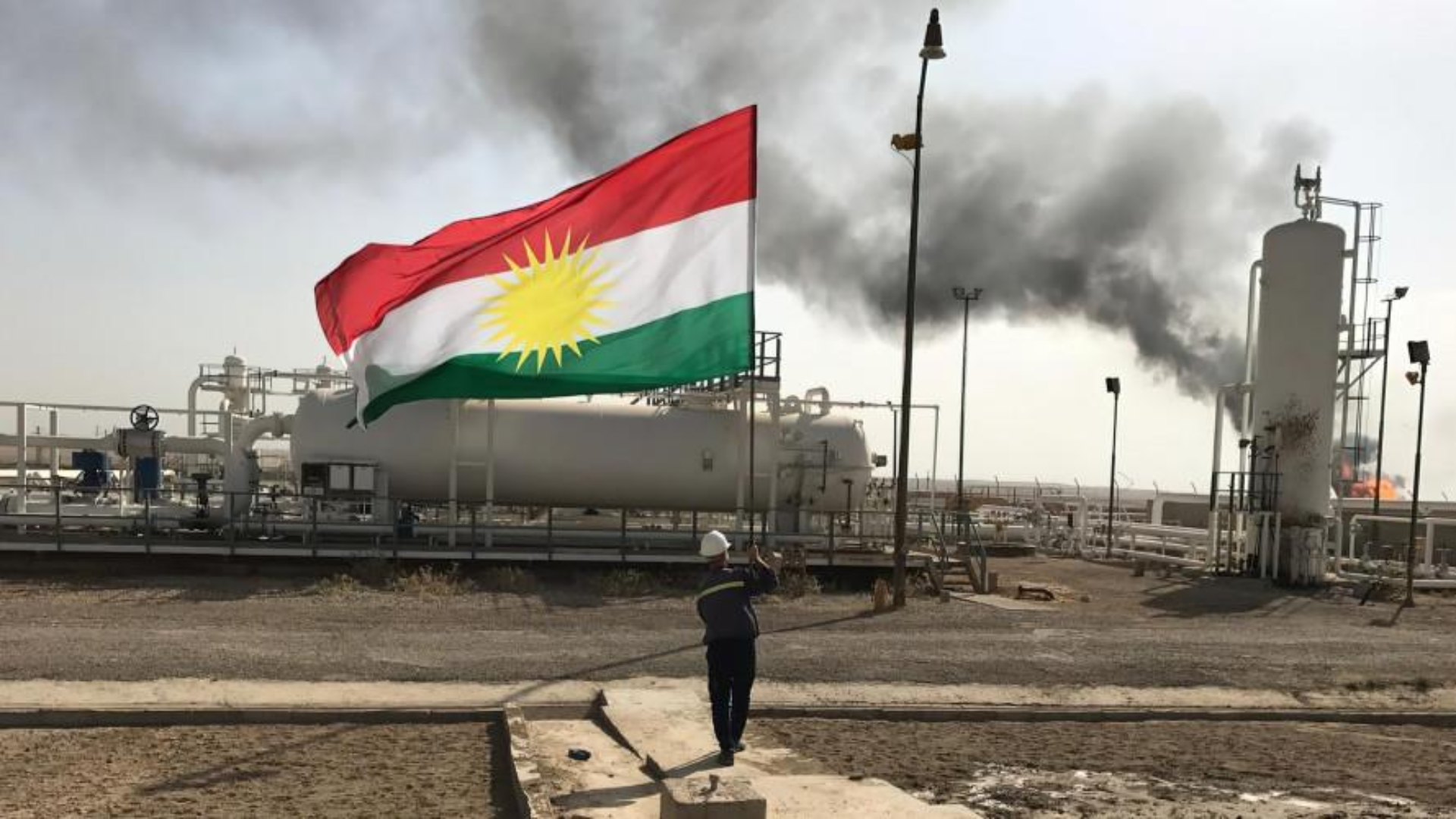
A special committee from the Iraqi Ministry of Oil has concluded its assessment of oil production capacity in the Kurdistan Region, revealing that ongoing drone attacks have drastically reduced output to 81,000 barrels per day, according to information obtained exclusively by Channel8 from a senior Iraqi government source.
The committee finalized its findings and submitted its report to the Ministry of Oil earlier this evening. The report cites a significant decline in production due to repeated attacks on oil fields, which have forced several companies operating in the region to halt or reduce operations.
Domestic Use and Export Capacity
As outlined in the Erbil–Baghdad oil agreement, 50,000 barrels per day from the Kurdistan Region’s production will be allocated for domestic consumption.
That leaves just 31,000 barrels per day available for export, which will be delivered via Iraq’s state oil marketing company, SOMO.
The Ministry of Oil is scheduled to submit the full report to the Ministry of Finance on Monday, July 21, which may influence future budgetary and revenue-sharing decisions between the federal and regional governments.
48 Drone Attacks Reported in Two Months
According to Channel8’s sources, 48 drone attacks have been recorded over the past two months targeting Kurdistan Region oil fields and infrastructure. These attacks have severely disrupted operations, damaging facilities and undermining investor confidence in the region’s energy sector.
Masrour Barzani: Attacks Are Undermining Oil Production
Kurdistan Region Prime Minister Masrour Barzani addressed the issue earlier today, stating that the ongoing drone strikes have had a direct impact on production capacity, further complicating the region’s economic situation amid delayed salary payments and budget disputes with Baghdad.
“The attacks on oil fields have weakened our ability to produce and export,” Barzani said, calling for greater protection of the region’s economic infrastructure.
With production sharply reduced and tensions rising between Erbil and Baghdad, the latest report underscores the vulnerability of Iraq’s oil sector in the face of growing security threats.
20/07/2025