UK Targets Kurdish People-Smuggling Networks in Landmark Sanctions Crackdown
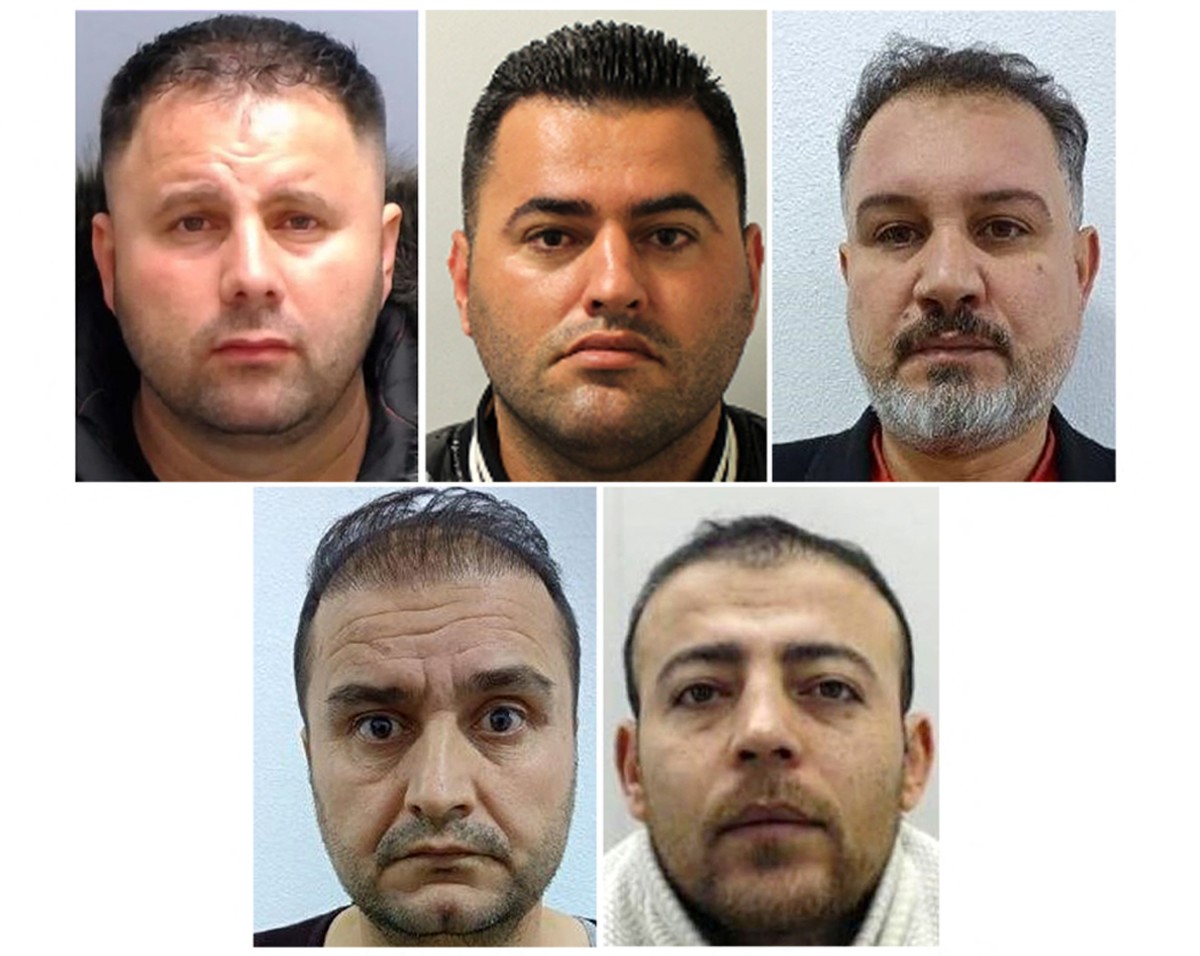
In a move to combat illegal migration, the UK government has imposed sanctions on 25 individuals and entities involved in global people-smuggling operations — including a significant number with links to Kurdish smuggling networks operating out of northern France and the Kurdistan region of Iraq.
The sweeping action, announced today by the Foreign, Commonwealth and Development Office (FCDO), marks the launch of the world’s first dedicated sanctions regime aimed at tackling irregular migration and organised immigration crime.
“This is a landmark moment in the government’s work to tackle organised immigration crime,” said Foreign Secretary David Lammy. “From Europe to Asia we are taking the fight to the people-smugglers… we know who you are, and we will work with our partners around the world to hold you to account.”
Among those sanctioned are several Kurdish individuals alleged to play key roles in smuggling migrants from the Middle East to the UK via France:
- Goran Assad Jalal, accused of hiding migrants in refrigerated lorries that crossed the English Channel on multiple occasions in early 2019.
- Roman Ranyaye, identified as a Kurdish smuggler responsible for coordinating routes from Asia into Europe.
- Dedawan Dazey, who reportedly runs safe houses for migrants in northern France awaiting Channel crossings.
The UK has also frozen the assets of Azad, Nuzad, and Nihad Khoshnaw, three Kurdish individuals accused of supplying inflatable boats and maritime equipment to smugglers operating in the English Channel. These boats are often overloaded and unfit for the treacherous journey to the UK, placing the lives of vulnerable migrants at extreme risk.
In addition to smuggling operations, the government has cracked down on Kurdish-linked hawala money networks — informal financial systems often used to discreetly fund illegal journeys across borders. Muhammed Khadir Pirot, for example, was sanctioned for “controlling payments from people being smuggled from the Kurdistan region of Iraq to Europe via Turkey.”
Other Kurdish-linked individuals involved in hawala banking include Mariwan Jamal and Rafiq Shaqlaway, both allegedly facilitating payments to smugglers on behalf of desperate migrants.
The newly established sanctions regime will enable the UK to freeze bank accounts and assets, disrupt material supplies, and prevent sanctioned individuals from engaging with the UK financial system.
Graeme Biggar, Director General of the National Crime Agency, said the measures would significantly weaken smuggling networks. “These new sanctions powers will give the UK a new way of pursuing, undermining and frustrating the operational capability of a wide range of organised immigration crime networks,” he said.
The designations are part of a broader UK strategy to “disrupt, deter and return” — aimed at stopping illegal migration, deterring potential migrants from attempting dangerous journeys, and returning those with no legal right to stay in the UK.
Since the start of the current government’s term, over 35,000 individuals have been returned — a 13% increase compared to the previous year.
The FCDO coordinated closely with the National Crime Agency and international partners to compile evidence and develop the cases for sanctions. Officials say this approach sets a precedent for global action against people-smuggling gangs that profit from the exploitation and endangerment of human lives.
“This vile trade, run by criminals who exploit the desperation of others, must be stopped,” said Lammy. “Today’s sanctions are just the beginning.”
23/07/2025