Oil Transportation in the Kurdistan Region: Key Facts and Costs
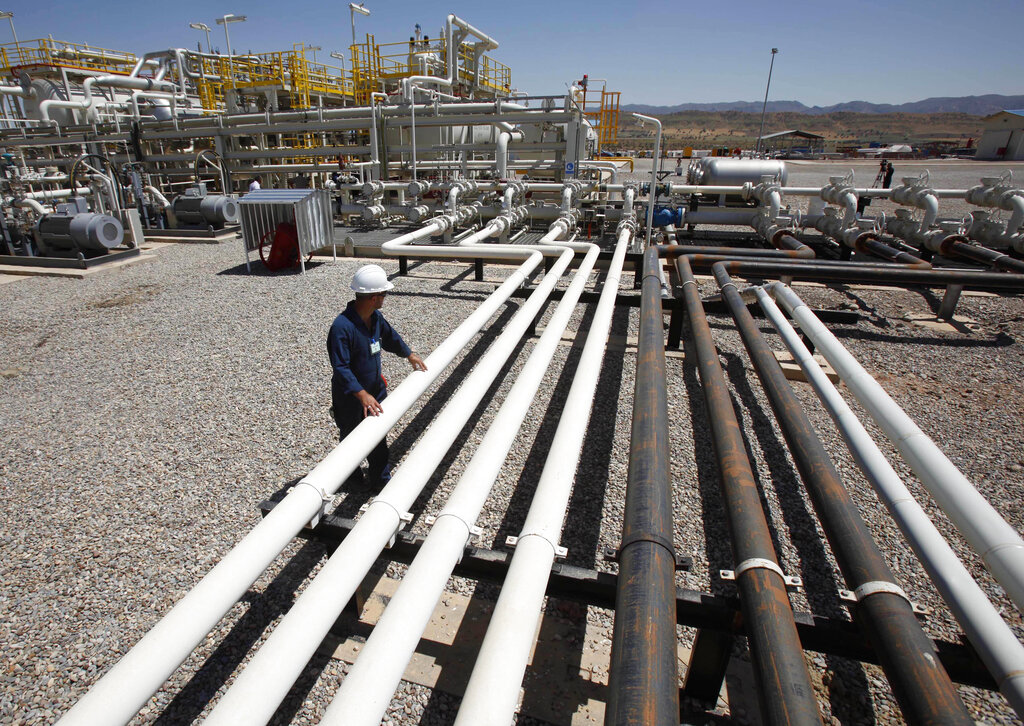
The transportation of oil represents the second crucial phase of the oil industry after production. Experts emphasize that production and transportation are inseparable, as crude oil has little value unless it reaches consumer markets.
Development of the KRG Oil Pipeline
The Kurdistan Region’s oil pipeline was constructed in 2010. By late 2013, the Kurdistan Regional Government (KRG) began transporting crude through this pipeline to Turkey’s Ceyhan port for international export.
According to reports, the pipeline is jointly owned: 40 percent by Kar Group and 60 percent by Rosneft. The total length of the pipeline is 896 kilometers:
- 221 kilometers (25%) lie within the Kurdistan Region,
- 675 kilometers (75%) pass through Turkey.
The pipeline route begins near Khurmala, passing through the oil blocks of Erbil, Bardarash, Ain Sufni, Jabal Kand, Alqosh, Duhok, and Sulaymaniyah, before reaching Fishkhabur at the Turkish border.
It was designed to export up to 950,000 barrels of oil per day.
Export Volumes
According to Deloitte reports, between December 1, 2019, and June 30, 2021, the KRG exported 393,528,260 barrels of crude oil through the pipeline to global markets.
Transportation Fees
The same reports show that the KRG spent approximately $1.744 billion on oil transportation fees during this period—equal to an average of $4.4 per barrel.
Over time, transportation fees have increased. Deloitte’s first audit placed the cost at $3.2 per barrel, while its most recent report recorded an average of $6.1 per barrel.
Comparison With Iraq’s Oil Fees
For comparison, Iraq’s oil transportation fees through Turkey were significantly lower in the past. In the 1980s, Baghdad agreed to pay Turkey:
- $0.42 per barrel if exports exceeded 1.5 million barrels per day,
- $0.75 per barrel if exports were below 750,000 barrels per day.
Following 2003, the fee structure changed to:
- $0.70 per barrel if exports exceeded 400,000 barrels per day,
- $1.12 per barrel if exports were below 200,000 barrels per day.
17/08/2025