Baghdad Moves to Tighten Control Over Kurdistan Region Oil Exports
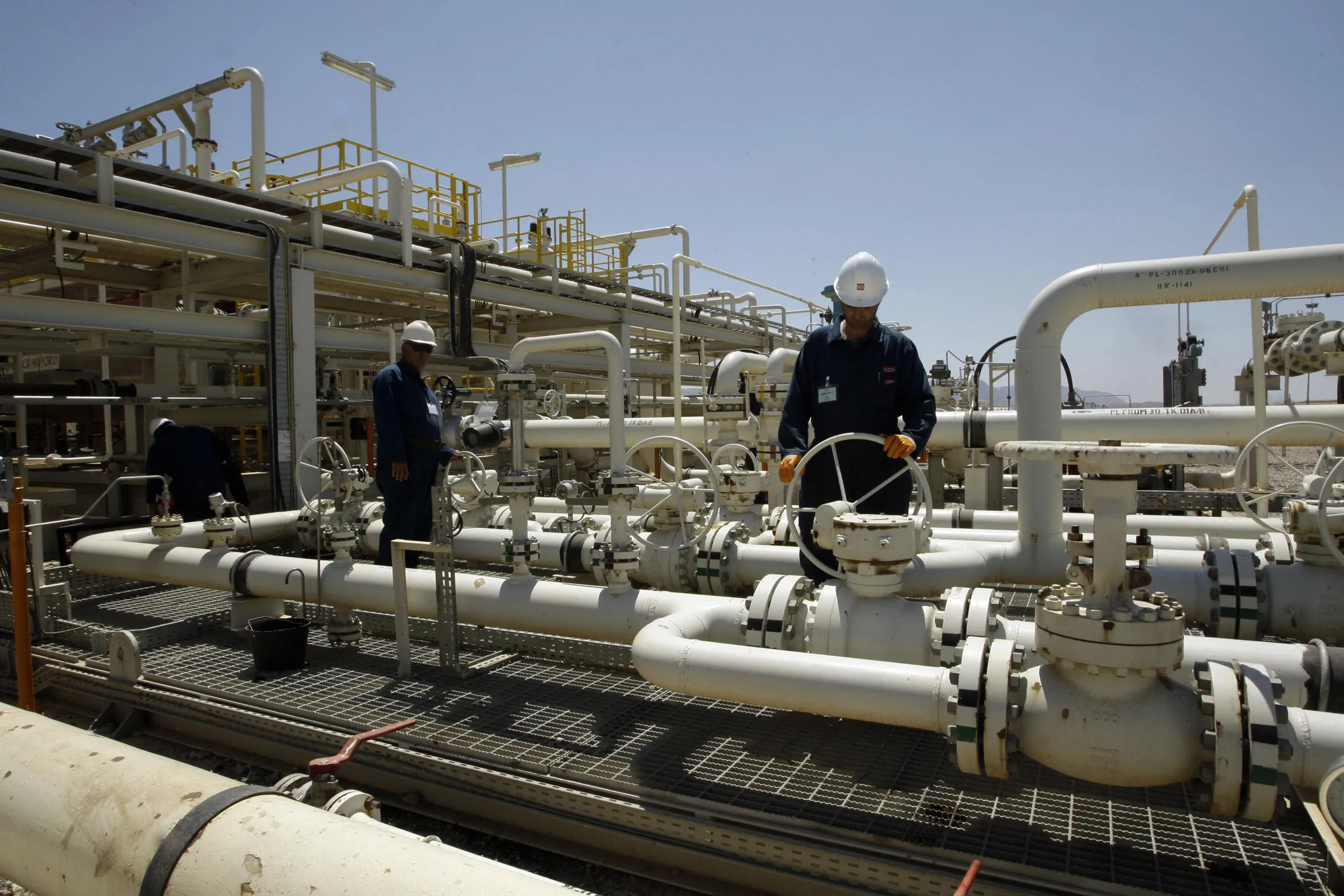
After nearly two decades of dispute over the Kurdistan Region’s oil exports, Baghdad is moving closer to asserting full control over the sector, with the issue tied directly to upcoming national elections.
Iraqi Prime Minister Mohammed Shia al-Sudani has made the resumption of Kurdistan Region oil exports through Baghdad a key condition for sending monthly salaries and transferring federal funds, along with the handover of domestic revenues.
Karwan Yarwais, a member of the Iraqi parliament’s Transport and Communications Committee, told Channel8 that Sudani’s pressure on the Kurdistan Regional Government (KRG) “has a political dimension,” describing it as an attempt to impose Iraqi sovereignty over the energy sector while using the issue for electoral gain.
For years, the Kurdistan Region exported and sold oil independently, bypassing Baghdad. But on March 25, 2023, the Paris-based International Chamber of Commerce Court of Arbitration ruled in favor of the Iraqi government, declaring independent Kurdish oil sales illegal. Since then, exports have been halted for more than two years.
A senior KRG official told Channel8 that Baghdad’s main goal in pushing for exports to resume through federal channels is to reinforce Iraqi sovereignty and leverage the matter in the elections.
One of the main obstacles to resuming oil exports is the debt owed to international oil companies operating in the Kurdistan Region, which amounts to about $1 billion, Channel8 has learned.
Under the proposed arrangement, the companies would be repaid in installments within three months after exports restart. However, the Iraqi government has not yet agreed to a tripartite deal between Erbil, Baghdad and the Association of the Petroleum Industry of Kurdistan (APIKUR), leaving the payments issue unresolved.
The Iraqi Oil Ministry has defended its approach, saying extraction costs are limited to $16 per barrel under the federal budget law.
01/09/2025