Trump Urges NATO to Halt Russian Oil Imports, Proposes Tariffs on China Over Ukraine War
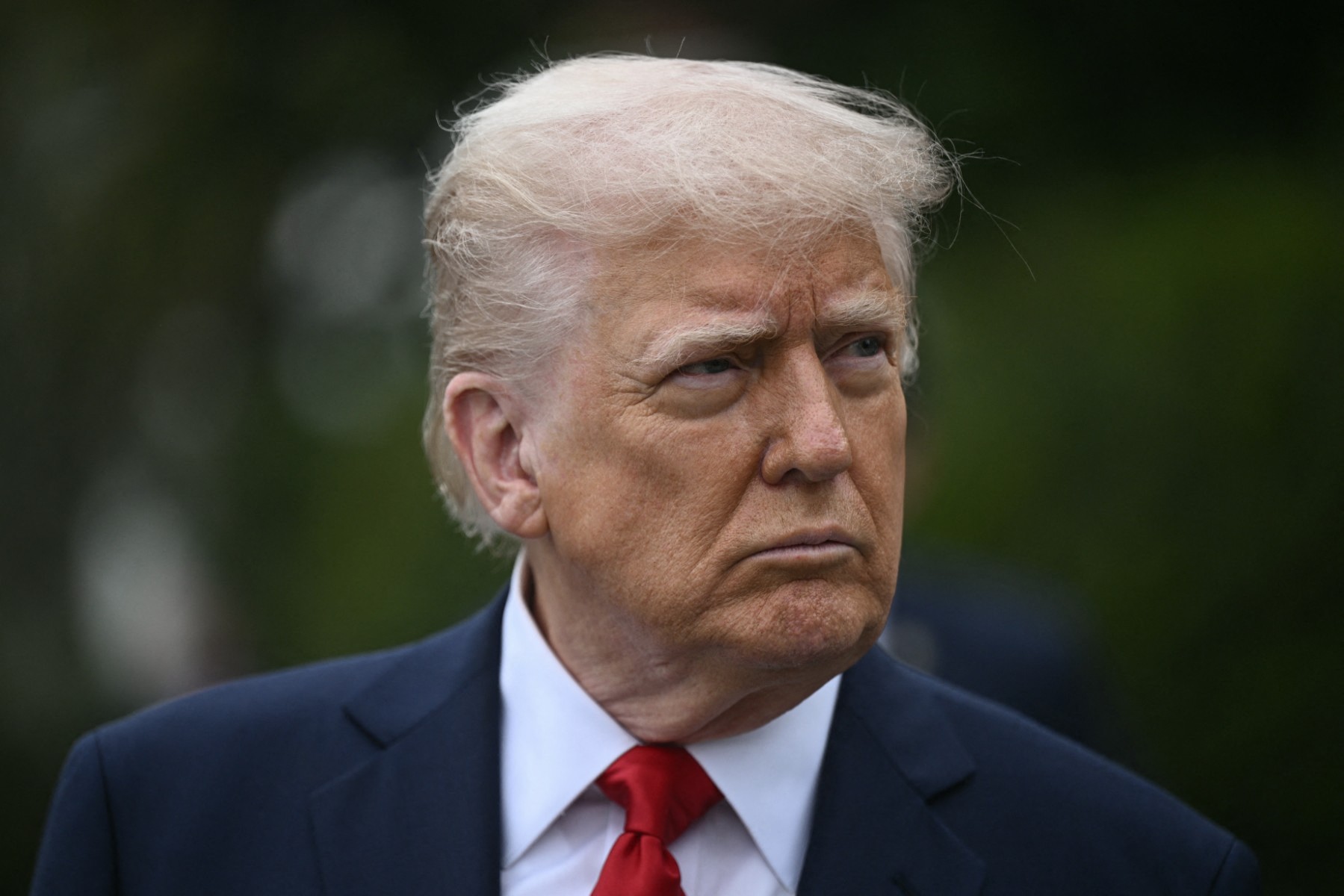
U.S. President Donald Trump has called on NATO allies to stop purchasing Russian oil and to jointly impose sweeping new sanctions on Moscow, warning that continued energy trade with Russia is prolonging its war in Ukraine.
In a letter sent to NATO member states on Saturday and in accompanying social media remarks, Trump said he was prepared to implement “major sanctions” on Russia — but only if all NATO members act in unison.
I am ready to do major sanctions on Russia when all NATO nations have agreed, and started, to do the same thing — and when all NATO nations stop buying oil from Russia
Trump said.
Push for Collective Economic Pressure
Trump’s letter also floated an unprecedented proposal for NATO to coordinate group-wide tariffs of 50–100% on Chinese goods, arguing that China’s trade and financial support is helping Russia withstand Western pressure.
He warned that without unified economic measures from NATO capitals, sanctions would remain ineffective, allowing Moscow to continue financing its military campaign against Ukraine.
Action Already Taken Against India
Trump has already taken unilateral steps by imposing a 25% tariff on Indian exports to the U.S., citing New Delhi’s ongoing purchases of Russian crude oil. India and China have been the two largest buyers of discounted Russian oil since Western sanctions were imposed following the outbreak of the war in 2022.
While no similar tariffs have yet been placed on China, Trump said NATO must consider collective measures that would “reduce China’s economic grip over Russia” if Moscow continues its military operations.
Sanctions and Energy Leverage
Energy sales have remained one of Russia’s key sources of foreign currency revenue, helping fund its war effort despite Western restrictions. The European Union has gradually cut imports of Russian crude and refined products, but several NATO members still rely on Russian oil and gas.
Analysts say Trump’s proposal, if implemented, would mark the most coordinated transatlantic economic action since the early months of the war, potentially reshaping global energy flows and trade dynamics.
13/09/2025