Chinese Consul General: SCO-Proposed GGI Aims to Reform Global Governance System and Promote Peace in the Middle East
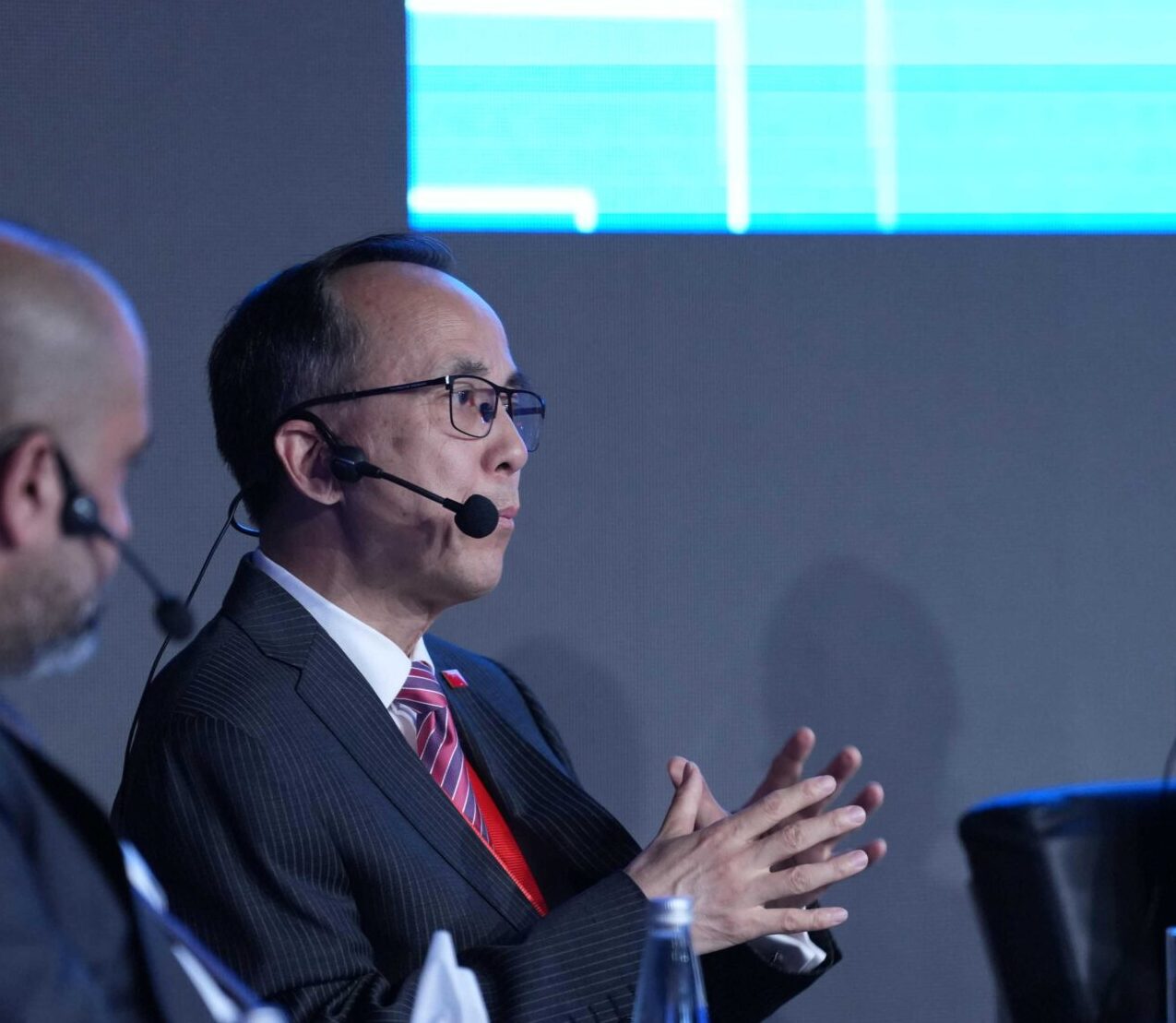
Liu Jun, Chinese Consul General in the Kurdistan Region, stated that the Global Governance Initiative (GGI) proposed at the Shanghai Cooperation Organization (SCO) Summit serves as a practical pathway to reform the global governance system in response to “traditional major-power rivalry,” representing “a new paradigm” aimed at achieving lasting peace and stability in the Middle East.
In an article exclusively provided to Channel8, Liu Jun said the initiative provides momentum for efforts “to foster a more just and equitable global governance system” and to build a community with a shared future for humanity.
Here is the full article:
Addressing the Middle East Security Dilemma through Enhanced Global Governance
Liu Jun, Consul General of the People’s Republic of China in Erbil
I
Recently, the 2025 Shanghai Cooperation Organization (SCO) Summit was held in Tianjin, China. At the “SCO Plus” meeting, Chinese President Xi Jinping put forward the Global Governance Initiative (GGI). GGI represents another major public good provided by China to the international community, following the Global Development Initiative (GDI), Global Security Initiative (GSI), and Global Civilization Initiative (GCI). It charts the right direction and outlines a practical pathway for reforming and improving the global governance system, injecting strong impetus into the efforts to foster a more just and equitable global governance system and jointly advance towards a community with a shared future for humanity.
This year marks the 80th anniversary of the victory of the Chinese People’s War of Resistance Against Japanese Aggression and the World Anti-Fascist War, as well as the 80th anniversary of the founding of the United Nations. Eighty years ago, the catastrophe of the two world wars prompted the international community to learn from profound reflection, leading to the establishment of the U.N. and ushering in a new chapter in global governance. Eighty years later, while the epochal trend of peace, development, and win-win cooperation remains unchanged, the shadows of Cold War mentality, hegemonism, and protectionism still persist. New threats and challenges continue to mount, and the world has entered a new period of turbulence and transformation. Reforming the global governance system has become a shared aspiration of all nations.
At this critical juncture, President Xi Jinping, bearing in mind the future of humanity and responding to the trend of the times, put forward the GGI. The GGI comes at right time and provides a valuable answer to the question of our times: “what kind of global governance system to build and how to reform and improve global governance?” The GGI consists of the following five core concepts:
1. Staying committed to sovereign equality. We should maintain that all countries, regardless of size, strength and wealth, are equal participants, decision-makers and beneficiaries in global governance. We should promote greater democracy in international relations and increase the representation and voice of Global South.
2. Staying committed to international rule of law. The purposes and principles of the U.N. Charter and other universally recognized basic norms of international relations must be observed comprehensively, fully and in their entirety. International law and rules should be applied equally and uniformly. There should be no double standards, and the house rules of a few countries must not be imposed upon others.
3. Staying committed to multilateralism. We should uphold the vision of global governance featuring extensive consultation and joint contribution for shared benefit, strengthen solidarity and coordination, and oppose unilateralism. We should firmly safeguard the status and authority of the U.N., and ensure its irreplaceable, key role in global governance mechanism.
4. Staying committed to the people-centered approach. We should reform and improve the global governance system to ensure that the people of every nation are the actors in and beneficiaries of global governance, so as to better tackle the common challenges for mankind, better narrow the North-South gap, and better safeguard the common interests of all countries.
5. Staying committed to real results. We should adopt a systematic and holistic approach, coordinate global actions, fully mobilize various resources so as to address both root causes and symptoms and find sustainable solutions. We should enhance practical cooperation to prevent the governance system from lagging behind or being fragmented.
II
At present, the Middle East remains in constant turmoil. The Palestinian-Israeli question has long defied resolution, and the humanitarian crisis in Gaza is worsening day by day; tensions among nations like Israel, Iran and Syria continue to escalate; and meanwhile there is high risk of revival of extremism and terrorism. Against this backdrop, the GGI offers a new paradigm for achieving lasting peace and stability in this ancient land.
On the security front, the GGI, if applied, would promote an inclusive regional multilateral dialogue mechanism. In the development dimension, it will create synergies with the Belt and Road Initiative. Regarding social development, the GGI follows a people-centered approach, respects civilizational diversity across regions, and ensures that development would benefit ordinary people to a greater extent.
What is even more valuable is that the GGI offers the Middle East a new approach to a global governance that differs from traditional major-power rivalry. This approach emphasizes sovereign equality and international rule of law, rejects the division of spheres of influence, refrains from imposing ideologies, and instead fosters a roundtable for equal dialogue. We stand ready to work with all Middle Eastern countries, focusing on achieving tangible results through global governance. Together, we can strive to ensure that Yemeni children can attend school rather than hide from airstrikes; that Syrian historical sites can host tourists instead of being engulfed in conflict; that the region’s oil wealth can be turned into a cornerstone of lasting prosperity; and that peace and stability are not a distant dream, but a tangible reality within reach.
Implementing the four major global initiatives in the Middle East not only concerns the well-being of regional countries and their peoples, but also the broader landscape of global security and development. China stands ready to continue its firm support for Middle Eastern countries in independently exploring development paths suited to their national conditions, resolving differences through dialogue and consultation, and addressing Middle East challenges through improved global governance. We will work with the international community to make new and greater contributions to promoting political settlement of hotspot issues, achieving peace and stability in the region, and building a community with a shared future for humanity.
14/09/2025